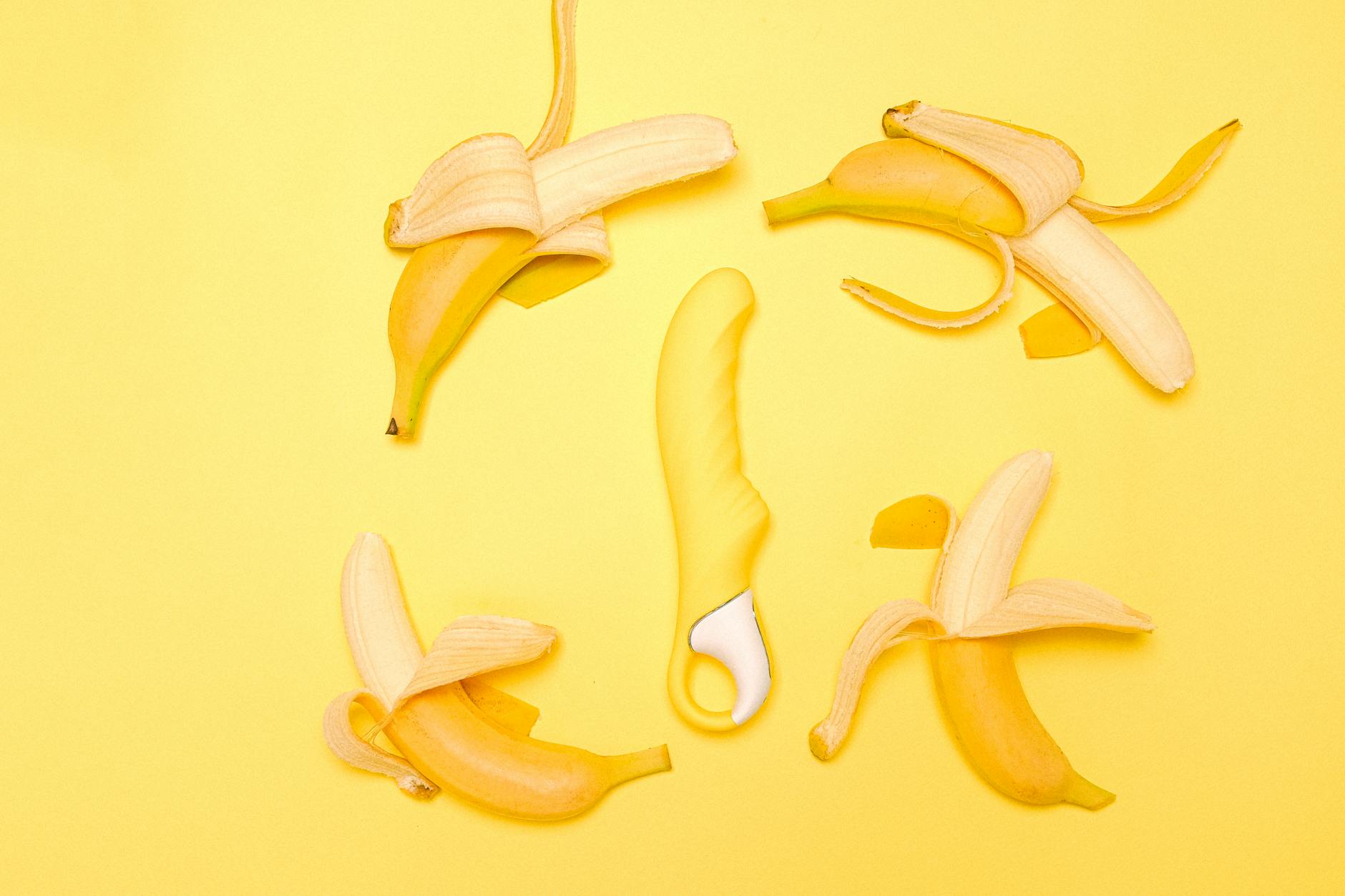
Let's talk about what "sensitive" actually means
When someone says their clitoris is sensitive, they usually mean one of three things. It might feel too intense or almost painful when touched directly. It might numb out quickly with sustained vibration. Or it might take forever to build arousal because direct stimulation is overwhelming from the start.
Here's the thing: traditional vibrators are designed with one job in mind. They buzz. And buzzing works brilliantly for plenty of people. But if you're in the sensitive camp, that constant high-frequency vibration can feel like holding a jackhammer against delicate tissue. It's not that your body is broken. It's that the tool doesn't match what your clitoris actually needs.
How vibration actually feels on sensitive tissue
Vibrators work by creating rapid oscillation. Most run between 3,000 and 9,000 vibrations per second, depending on the setting. That's a lot of micro-movements hitting the same spot repeatedly. For tissue that's easily overstimulated, that can feel jarring, numb-inducing, or even painful pretty quickly.
The clitoris is incredibly sensitive. It has roughly 8,000 nerve endings concentrated in the glans alone. Throw intense vibration at that area, and two things can happen. First, the nerves fire so rapidly that they actually stop signaling properly. That's the numbness you feel after a few minutes. Second, the constant friction and intensity can leave the tissue feeling tender or sore afterward.
Neither of those is a sign you should push harder or find a stronger vibrator. They're signals that your body is asking for a different approach entirely.
What suction does differently
Lemon clitoral vibrators like the Lem use air-pulse technology instead of vibration. Rather than buzzing, they create a rhythmic suction around the clitoris. The sensation is more like a soft mouth than a buzzer. It's gentler on initial contact, which is huge for sensitive people, but it paradoxically feels more intense once arousal builds.
Here's why: suction works with your body's arousal cycle instead of against it. Early on, when tissue is less engorged, gentle suction feels manageable and even soothing. As blood flows to the area and arousal deepens, the same suction suddenly feels incredibly satisfying because the tissue is now ready for more intense sensation.
With traditional vibrators, you have to tolerate discomfort early on in hopes it'll feel better later. With the Lem, the early experience is actually pleasant.
The nerve response is completely different
This is the part that actually changed my understanding of why clients were having such different experiences with the Lem versus other clitoral vibrators. When you apply suction, you're creating pressure changes rather than vibration waves.
Pressure and vibration activate different nerve fibers. Vibration primarily stimulates fast-adapting mechanoreceptors, which means they get used to the sensation quickly. That's why vibrators can feel numbing after a while. Suction activates both fast-adapting and slow-adapting fibers, which means the stimulation stays novel to your nervous system. Your body doesn't habituate as quickly.
For sensitive tissue specifically, this is critical. You get arousal building without the burnout feeling that intense vibration creates.
Why sensitive doesn't mean you need less intensity
One of the biggest misconceptions I see is that sensitive people need weak toys. Not true. What you actually need is the right kind of stimulation. I've worked with clients who thought they had low libido or couldn't orgasm, who turned out to have no problem with the Lem after struggling with traditional vibrators for years.
The Lem has multiple patterns and intensity levels. You can start at pattern 1, which is genuinely gentle, and work up to patterns that are surprisingly intense. But because it's suction rather than vibration, that intensity doesn't feel harsh. It feels sustained and building.
That's the distinction. Harsh versus sustained. Numbing versus engaging.
The lubrication piece matters more with suction
Because suction toys create a seal around the clitoris, lubrication helps the experience tremendously. With vibrators, lube is optional. With the Lem, a small amount of water-based lubricant creates a better seal and makes the sensation feel smoother.
For sensitive tissue, this is actually a win. The lube reduces any friction and helps the toy glide slightly as it works. You're not fighting any stickiness or drag.
Real talk about switching from vibrators to suction
If you've spent years using traditional vibrators and found them uncomfortable, shifting to the Lem takes about three sessions to adjust to. Your nervous system has learned what vibration feels like. Suction is different enough that it might feel weird initially. That's normal.
Start with pattern 1 or 2. Spend time just getting used to how the sensation feels. Give yourself permission to explore without the goal of orgasm, at least the first couple of times. Most people find that by the third session, their body has integrated what suction feels like and starts responding really enthusiastically.
When to see a doctor before trying anything new
If your clitoris is painful to touch even gently, if there's visible irritation, or if the sensitivity is new and unexplained, talk to a doctor first. Vulvodynia, thrush, contact dermatitis, and a few other conditions can make the clitoris hypersensitive in ways that aren't resolved by switching toys.
A good vulvovaginal specialist can rule out medical causes pretty quickly. Once you know your sensitivity isn't a symptom of something else, then experimenting with different tools like the Lem makes a lot of sense.
Why sensitivity is actually an asset, not a limitation
I say this to every client who comes in frustrated about their sensitive clitoris. That sensitivity means your nervous system is awake and responsive. You're not numb. You're not broken. You're just wired to respond to different kinds of stimulation than what you've been offered so far.
Once you find the right tool, sensitive tissue often leads to some of the most satisfying experiences. The Lem works with your body's natural wiring instead of against it.
FAQs about lemon vibrators and sensitive clits
Will suction vibrators feel too strong for someone with a very sensitive clitoris?
Not necessarily. The Lem's patterns start at a very gentle rhythm. Because it's suction rather than vibration, pattern 1 feels softer than a buzzing vibrator at its lowest setting. You control the intensity and can stay in the gentler patterns as long as you need. Many people find that starting low and building gradually over multiple sessions works best for sensitive tissue.
How is the Lem different from a traditional clitoral vibrator for sensitive people?
Traditional vibrators buzz at high frequency, which can overwhelm sensitive tissue and cause numbness. The Lem uses air-pulse suction instead. It creates rhythmic pressure changes that feel gentler initially but more sustained as arousal builds. Your nervous system doesn't habituate to suction the way it does to vibration, so the sensation stays engaging longer.
Can I use the Lem if my clitoris gets numb easily with other toys?
Yes. Numbness with traditional vibrators happens because fast-adapting nerve fibers get saturated. Suction activates different nerve pathways, so you're less likely to hit that numbing effect. That said, if you tend toward numbness, still watch your session length. Take breaks if you need them. Your body will tell you when it needs a pause.
Do I need lube with a lemon clitoral vibrator?
You don't technically need it, but a little water-based lube makes the experience smoother, especially for sensitive tissue. The lube helps create a better seal and reduces any friction. It's not mandatory, but most people find it enhances the feeling.
If I'm sensitive to vibration, will I be sensitive to suction too?
Not usually. Vibration and suction activate different nerve fibers and feel distinctly different on your skin. People who find vibration overwhelming often have a totally different response to suction. The best way to know is to try it, but understanding that sensitivity to one doesn't predict sensitivity to the other can help set realistic expectations.
How long does it take to get used to a suction vibrator after using traditional vibrators?
Most people need two or three sessions to adjust. Your body is familiar with how vibration feels, so suction will seem novel at first. Spend time exploring without performance pressure. By the third or fourth time, your nervous system usually integrates the sensation and starts responding more enthusiastically.
The bigger picture
Sensitivity is not a bug in your design. It's information. If you've been struggling with traditional vibrators, learning more about how different stimulation styles work for you matters. The Lem and air-suction toys in general work with sensitive tissue in ways that buzzing toys often don't.
Your pleasure matters. It's worth finding the tool that actually works for your body instead of forcing your body to adapt to the wrong tool.
If you have questions about whether a lemon clitoral vibrator or other Hello Nancy products might be right for you, reach out. That's what we're here for.