Let's be real about what kills desire
It's not usually one catastrophic event. It's the slow drain. Years of mismatched schedules, unresolved resentments, kids underfoot, stress that never quite lifts, and somewhere along the way, the thought of sex becomes less appealing than sleep. Then one day you realize you haven't touched your partner in months. And the longer it goes, the more awkward it feels to restart.
Here's what I see in my practice: couples don't lose desire because they've fallen out of love. They lose it because touch stopped meaning anything except obligation or performance. Rebuilding desire isn't about forcing yourself to be attracted to someone again. It's about remembering that touch can mean something other than sex.
Why the usual advice fails
Most relationship guides tell you to "schedule date night" or "communicate better." That's not wrong, but it misses the point. You don't need more conversation about why you're not having sex. You need your body to remember what wanting feels like.
The barrier isn't always emotional. Sometimes it's physical. After years of not being touched, the nervous system gets defensive. Your skin actually forgets how to receive sensation. Your brain starts anticipating obligation instead of pleasure. And if you're a woman in your 40s or beyond, hormonal shifts compound this. The clitoris needs blood flow and stimulation to wake up. Without it, arousal feels distant or impossible.
This is where many couples get stuck: they know they want to reconnect, but the first attempt at sex after a long break feels awkward, uncomfortable, or pressured. So they retreat. Another few months pass.
The three-phase reset that actually works
Phase 1: Non-sexual touch (weeks 1-2).
Start here, not with sex. This sounds basic, but most couples skip it because they're impatient. The goal is to remind your nervous system that your partner's touch can feel safe and good without leading anywhere.
Hold hands. Massage shoulders. Sit close on the couch. Kiss, but don't escalate. The rule is simple: no genital contact, no expectation of sex. This sounds counterintuitive when you're trying to rebuild desire, but it's essential. When touch doesn't carry the weight of "this should lead to sex," it stops feeling like a test you might fail.
Most couples need 1-2 weeks of this before the nervous system truly relaxes.
Phase 2: Solo and separate exploration (weeks 2-4).
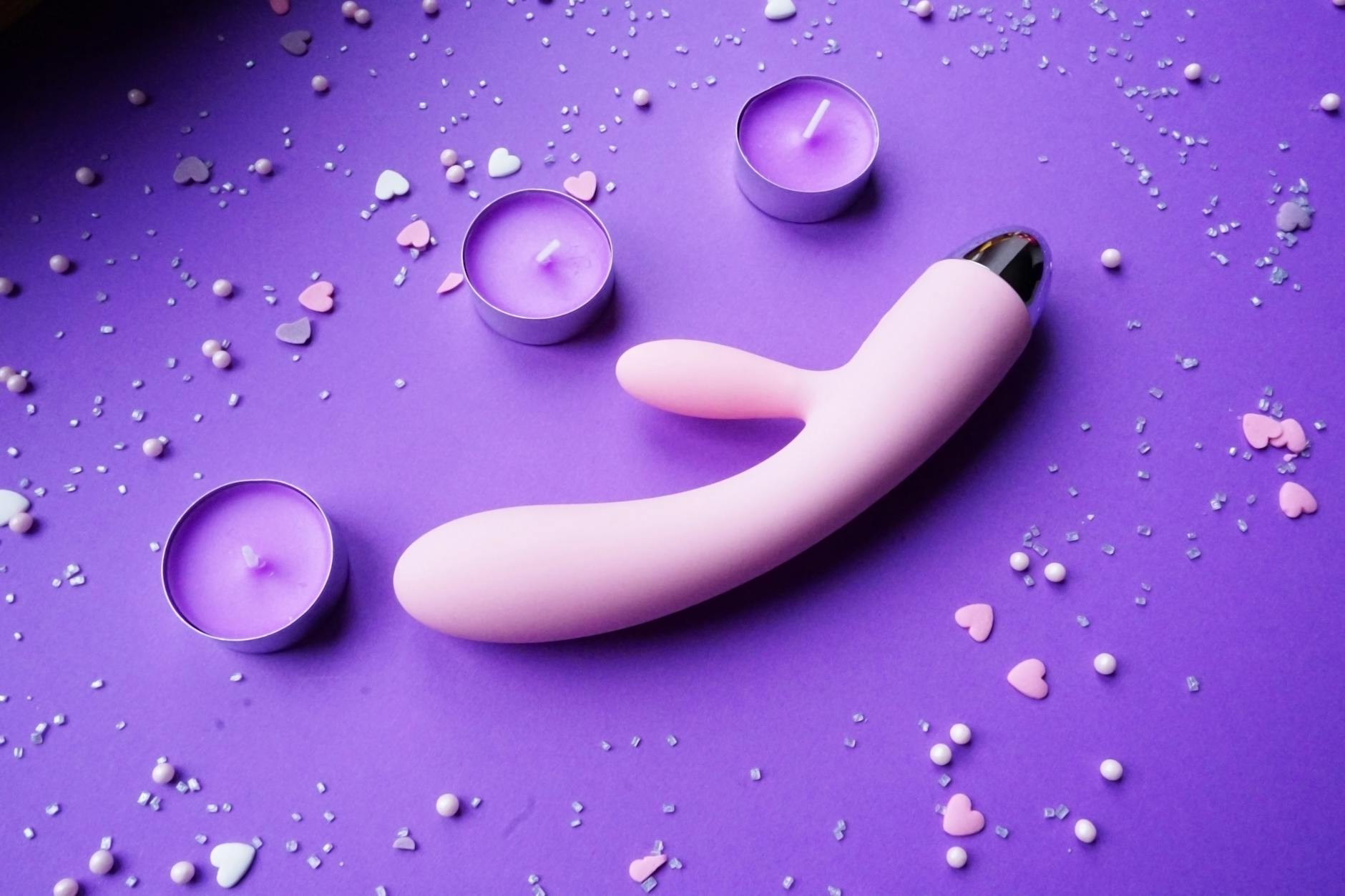
This is the phase where introducing a lemon clitoral vibrator often makes sense, but not in the way you'd expect.
Before you and your partner do anything together, spend time alone. This isn't about cheating or emotional distance. It's about waking up your own capacity for pleasure without the pressure of another person watching or waiting.
If you have a vulva, a lemon vibrator like the Lem is ideal for this because it requires less pressure than traditional vibrators. Suction-based stimulation feels gentler and more diffuse, which matters because tissues that haven't been stimulated in years can feel hypersensitive or numb at the same time.
Spend 15-20 minutes exploring. No goal of orgasm. The goal is sensation. Notice what feels good. Notice where your body still holds tension. This solo work teaches your nervous system that pleasure is available to you independent of your partner.
Phase 3: Shared exploration with openness (weeks 4+).
After you've each remembered what your own pleasure feels like, invite your partner in without pressure.
You might show them what you learned about your body. You might use the lemon vibrator together. You might simply sit together while you explore, no touching required. The frame matters more than the act. The frame is: "This is about reconnecting, not about performing." It's about curiosity, not obligation.
Why lemon vibrators work better than you'd think
Lemon clitoral vibrators aren't a magic solution, but they help in specific ways.
First, they lower the barrier to restart. If you're nervous or out of practice, a vibrator is less intimidating than your own hand or your partner's fingers. It's a neutral third party that can't judge you or feel rejected if you're not responsive.
Second, suction-based lemon vibrator stimulation feels fundamentally different than buzzing. It creates a gentle pulling sensation that many people describe as more pleasurable and less intense. After a long break, less intense is often better. You can build up, not tone down.
Third, using a lemon clitoral vibrator together creates a shared ritual. You're not trying to "have sex." You're trying something new together. That reframe matters psychologically.
The conversation you actually need
Before you restart anything, you need one honest conversation with your partner. Not about desire. About fear.
Ask: "What are you afraid will happen if we try to be intimate again?" The answers matter. One person might fear rejection. Another might fear they've lost the ability to perform. Someone else might be grieving the intimacy that used to be easy and feeling defensive about that loss.
These fears are real, and pretending they don't exist by jumping back into sex won't work. Name them. Acknowledge them. Then say: "I'm not asking us to have sex. I'm asking us to try something small together. And if it feels weird, that's okay. We can stop."
That permission to stop is almost more important than the permission to try.
When stagnation runs deeper
If desire has flatlined because trust is broken, resentment is unresolved, or you genuinely don't like your partner anymore, no vibrator and no phase system will help. That's a different conversation, and honestly, that's when couples therapy matters.
But if you like each other, love each other, and just got disconnected somewhere along the way, rebuilding desire is possible. It's slow. It takes patience. And it usually requires being willing to feel awkward first.
Most couples who move through these phases report that by week 6 or 7, something shifts. Not necessarily explosive passion. But a return to the feeling that touch is something you want, not something you're supposed to want.
Practical next steps
Start this week. Pick one small thing. Hold hands without an agenda. That's it. See how it feels.
If that goes well, move to the next phase. Don't rush. Desire isn't built in a weekend. It rebuilds quietly, over weeks, when you're patient with yourselves and each other.
And if you want to use a lemon vibrator or any tool to help you remember what pleasure feels like alone first, do that. Your body deserves to feel good. Your relationship deserves another shot.
People also ask
How long does it take to rebuild desire in a long-term relationship?
It depends on how long you've been disconnected and what caused it. Most couples see noticeable shifts within 4-6 weeks if they're consistent. But true desire, the kind where you genuinely want your partner, often takes 3-4 months. Don't expect passion week one. Expect curiosity.
Is it normal to feel awkward restarting intimacy after a long break?
Yes. Completely normal. Your body has habituated to not being touched. Your nervous system has built walls. That awkwardness is actually a sign you need the non-sexual touch phase more than you think. Honor it instead of pushing through it.
Can a lemon vibrator really help rebuild connection with a partner?
A vibrator itself isn't the magic. The magic is in using it as a way to explore pleasure together without the pressure of traditional sex. If you're using it to avoid actual conversation or emotional work, it won't help. But if you're using it as part of a deliberate process of reconnection, it can lower barriers and create shared vulnerability.
What if my partner isn't interested in rebuilding desire?
Then you have a bigger problem than stagnation. If both people aren't willing to try, desire won't return. Sometimes that's a signal the relationship has run its course. Sometimes it's a signal that one person needs to understand why they've checked out. Either way, that's worth exploring with a therapist before you make any decisions.
Is it okay to introduce toys if my partner has never used them before?
Absolutely, as long as you approach it with curiosity, not shame. Frame it as "I want to explore this together" not "I need this because you're not enough." The conversation matters more than the toy. Check out our guide on how to use a lemon vibrator with your partner without awkwardness for language that actually works.
What if neither of us wants sex, but we want to feel close?
Then redefine what closeness means. You don't need to have sex to rebuild intimacy. But you do need to touch. You need to be present together. You need to feel wanted. If that's what's missing, start with non-sexual physical connection. Some couples recover pleasure after a break through this alone, without ever returning to full sexual contact. What matters is what both people want.
Rebuild slowly. Be patient. And remember that desire isn't something you manufacture. It returns when you create the conditions for it: safety, curiosity, permission, and touch that means something other than performance.
If you're ready to take the first step but need more guidance, reach out. I'm here to help couples navigate this transition.