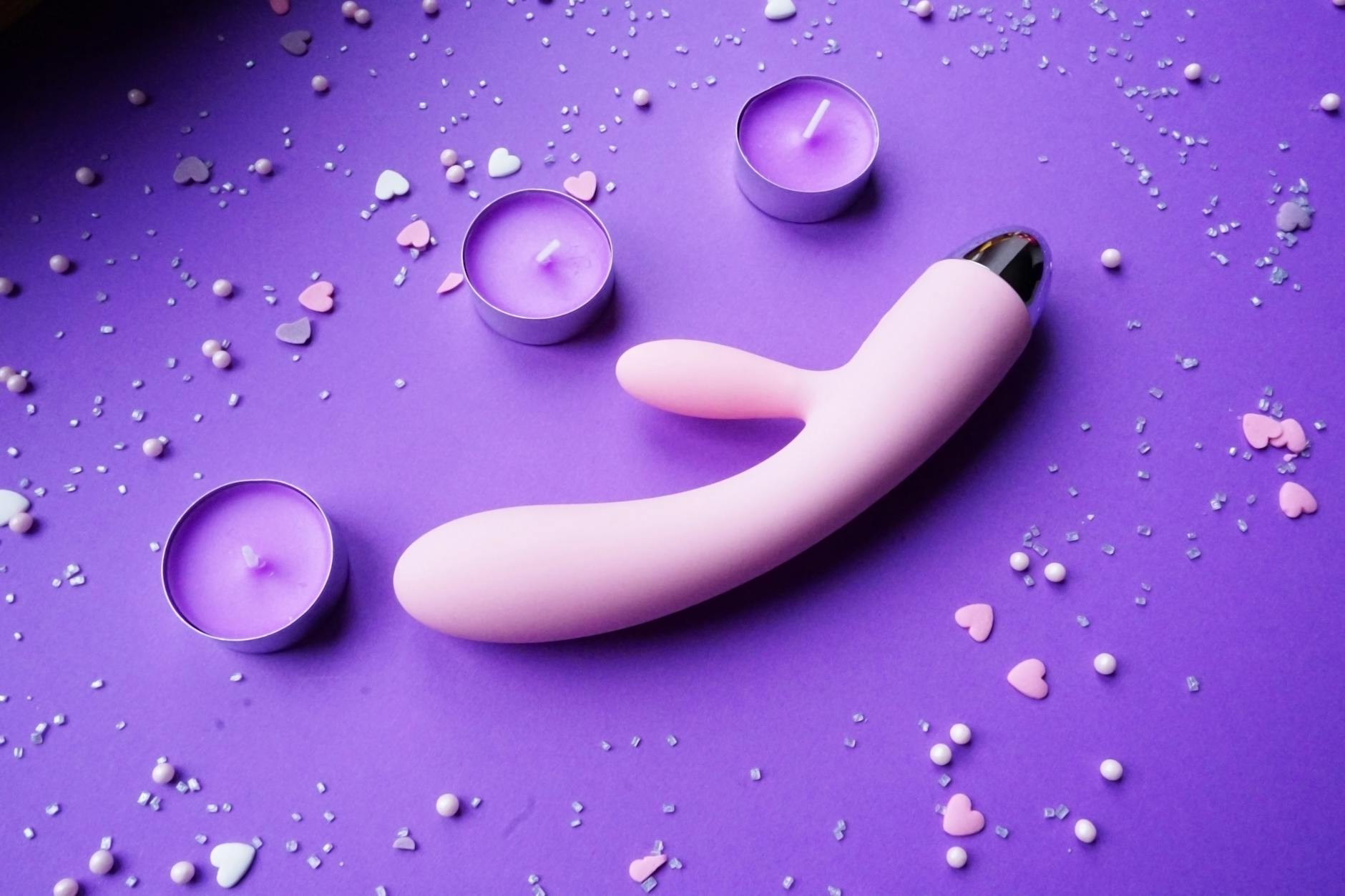
Let's talk about what a break actually does
Honestly, when you step away from sex for a while, your body doesn't just pause. It recalibrates. Your nervous system settles into a lower baseline for arousal. Your mind builds walls around wanting, sometimes as protection, sometimes as habit. The longer the break, the more your brain forgets what desire even feels like.
That's not failure. It's biology meeting psychology. And it's completely reversible.
Most people who take a break from sex think they'll snap back instantly. Then they try, feel nothing, panic, and assume something's broken. Nothing's broken. Your body is working exactly as it's designed to. It's just recalibrated to a lower setting. The good news is that pleasure, like a muscle, responds to gentle, consistent attention.
Why your body feels numb at first
When you're not having sex regularly, a few things happen simultaneously. First, the vascular system adapts. Blood flow to the genitals decreases when it's not being regularly engaged. Second, your nervous system literally prunes back the neural pathways associated with arousal. Your brain stops firing those circuits as intensely.
Third, there's the psychological layer. If the break came from pain, trauma, or disconnection with a partner, your mind has built a protective barrier. Desire shuts down to keep you safe. That's smart, actually. Your body is protecting you.
But you're here because you want pleasure back. That's the signal that it's time to slowly, methodically rebuild those pathways.
Start with solo sensation, not performance
This is critical and most people skip it. When you're restarting pleasure after a break, solo exploration is non-negotiable. Not because you need to "get yourself ready" for a partner, but because you need to relearn what your body feels like.
Set aside 15 to 20 minutes when you're not tired or distracted. No phone. The goal is sensation, not orgasm. This matters. Chasing an outcome you haven't felt in months will frustrate you into quitting.
Start clothed. Touch your arms, your neck, your thighs. Notice what feels good. Move slowly. Your nervous system has been in a lower-arousal state, so you're essentially asking it to wake up. That takes time. Spend two to three sessions just doing this, fully clothed, learning what textures and pressure feel good to you right now.
Then, move to touching yourself over underwear. Same goal. No performance. No endpoint. Just sensation. This sounds almost meditative because it is. You're teaching your body that touch equals safety, not obligation.
Introduce a tool designed for sensitivity
When you're ready for direct clitoral stimulation after a long break, the method matters. Traditional vibrators often feel too intense on tissue that's been dormant. The clitoris has become less engorged, and direct vibration can feel overwhelming or even mildly painful.
This is where air-suction technology changes everything. A lemon clitoral vibrator uses gentle suction rather than direct vibration, which means it stimulates without the jarring intensity. It's like the difference between someone tapping on your shoulder versus gently cupping it. Both are touching you, but one feels way more approachable when you're rebuilding.
Start on the lowest setting. Place it gently and don't rush. If you feel nothing the first few times, that's normal. Your nervous system is literally waking up. Some people report that sensation returns within three to five sessions. Others take two weeks. Both are fine.
The point is consistency without pressure. You're not trying to have an orgasm yet. You're trying to feel something. Tingles count. Mild pleasure counts. A gentle relaxation response counts.
The difference between physical and emotional readiness
Here's where it gets tricky. Your body might be ready before your mind is, or vice versa.
If you're restarting after physical healing from pain, surgery, or medical issues, your body has legitimate nervous system memories of hurt. Your pelvic floor may be guarding. That requires patience. Possibly physical therapy. Definitely a gentle approach like a lemon vibrator rather than something aggressive.
If you're restarting after emotional disconnection, relationship rupture, or loss of interest in a partner, your mind is probably protecting you. That's healthy. Before you push toward pleasure with that partner, you might need to do some solo work first, rebuild trust in your own body, and possibly have deeper conversations about what broke.
When you're ready to involve a partner
If there's a partner involved, this conversation starts before anything physical. Let them know you're rebuilding slowly. Set expectations realistically. "I might not feel much right away" is not sexy, but it's honest. And honesty matters more than performance right now.
When you do involve them, go back to basics. You've been doing this solo work for a reason. Your partner can:
- Hand you the lemon vibrator and let you lead the pace and pressure
- Touch you in ways that don't require you to respond or perform
- Simply be present while you explore, without expectation
- Ask what feels good instead of assuming
The worst thing a partner can do is make your pleasure about them. The best thing they can do is make it safe for you to say "slower," "stop," or "I need more time." <a href="/blog/how-to-use-lemon-clitoral-vibrator-with-partner-without-awkwardness">How to use a lemon clitoral vibrator with your partner without awkwardness</a> covers this in detail, but the core is always consent and communication.
What the timeline actually looks like
Let me be real about this because false hope is worse than honesty.
If you had a break of a few months, rebuilding pleasure usually takes four to eight weeks of consistent solo work before you feel reliably aroused. If the break was a year or more, budget three to four months. If there's trauma in the history, it might take longer.
But here's what actually happens for most people: Week one feels weird and numb. Week two, you maybe notice a slight tingle. Week three, your body starts remembering. By week four, pleasure starts feeling real again. That momentum matters. Knowing that other people have felt numb and come back through the other side is huge.
Consistency beats intensity. Ten minutes three times a week reconnects your nervous system faster than one 45-minute session every other week. Your brain needs repetition to rebuild pathways.
Common roadblocks and how to move through them
If you're doing this and hitting a wall, here are the three most common snags.
Guilt. You feel like you shouldn't want pleasure, or that wanting it makes you shallow or selfish. Pleasure is not a luxury item. It's a marker of nervous system health. Your body is designed to feel good. Wanting that is not indulgent.
Impatience. You expect to feel everything immediately and lose interest when you don't. This is where self-compassion matters. Your body isn't broken. It's on a timeline. Respecting that timeline is how you rebuild trust with yourself.
Partner pressure. Your partner wants to speed things up, or you feel obligated to perform before you're ready. This is where you need to be clear: this is your body, your timeline, your pleasure. Their comfort with waiting is separate from your readiness. Don't merge those two things.
Why a lemon vibrator works better than you'd expect
I mention lemon clitoral vibrators specifically because the design actually fits what your body needs during this recovery. The suction method doesn't require the tissue to be fully engorged to feel good. It works with your current state, not against it. And because it's gentler, you can use it more frequently without irritation, which means more neural pathway rebuilding.
That's not marketing. That's physiology.
The shift that changes everything
At some point, usually around week five or six of consistent work, something shifts. Pleasure stops feeling like a goal you're chasing and starts feeling like a sensation you're having. Your body remembers. Your mind stops fighting it. And suddenly, you're not recovering anymore. You're just having pleasure again, like a normal person.
That moment is worth the patience it took to get there.
Your break from sex doesn't define your future relationship with pleasure. It's just a chapter. The one you're in right now is about rebuilding. And you're not starting from zero. You're starting from cellular memory. Your body remembers how to feel good. It just needs permission and time.
Frequently Asked Questions
How long does it typically take to feel pleasure again after a long break from sex?
Most people notice a shift within four to eight weeks of consistent solo exploration, assuming the break was a few months. Longer breaks (a year or more) or breaks involving trauma can take three to four months. The key is consistency, not intensity. Ten minutes three times a week rebuilds neural pathways faster than sporadic longer sessions. Everyone's timeline is different, and your body's timeline is the right one.
Why does my body feel numb when I try to have pleasure again?
When you're not regularly engaged in sexual activity, several things happen. Blood flow to the genitals decreases, your nervous system prunes back the neural circuits associated with arousal, and if the break was emotional or trauma-based, your mind has built protective barriers. This is your body working as designed, not something broken. Numbness is temporary and responds well to gentle, repeated stimulation over time.
Is it normal to feel anxious or guilty about wanting pleasure again?
Completely normal. That anxiety often comes from the reason you took the break in the first place, whether that's medical trauma, relationship rupture, or just disconnection from your own body. The antidote is separating physical sensation from emotional baggage. Your body's desire to feel good is separate from the circumstances that led to the break. Pleasure is a physiological need, not a moral choice.
Should I involve my partner in rebuilding pleasure, or should I do it solo first?
Start solo. Solo exploration lets you rebuild trust with your own body without performance pressure. Once you're feeling genuine sensation again (usually four to six weeks in), involving a partner can deepen things, but only if that partner understands this is your timeline, not theirs. <a href="/blog/how-to-maintain-emotional-connection-when-physical-intimacy-changes">How to maintain emotional connection when physical intimacy changes</a> digs into the partner dynamics here, but the rule is simple: your readiness comes first.
Why is air-suction technology better than traditional vibration when you're rebuilding pleasure?
Air-suction vibrators like those from Hello Nancy use gentle suction rather than direct vibration, which means they stimulate without overwhelming tissue that's been dormant. The clitoris needs less engorgement to respond to suction than to direct vibration. This makes air-suction technology significantly more approachable when rebuilding sensation. You can also use it more frequently without irritation, which speeds up neural pathway rebuilding.
What if I'm doing all this and still feeling nothing after several weeks?
First, check whether you're performing or exploring. If you're goal-focused on orgasm, your nervous system will tighten. Shift back to pure sensation with no endpoint. Second, consider whether there's emotional material in the way. If the break was trauma-related, you might need a therapist alongside this physical work. Third, talk to a doctor. Sometimes hormonal changes, medication, or underlying health issues slow the return of sensation. But most commonly, people just need more time and permission to go slower.
Your break from sex isn't a setback. It's information. Your body is telling you it needs care, patience, and presence. That's not weakness. That's wisdom. Rebuilding pleasure is possible, and it's worth taking the time to do it right.