
Let's talk about what nobody warns you about
You start hormonal birth control and suddenly your body feels like it's playing by different rules. Your lemon clitoral vibrator, which used to work like clockwork? Now it feels muted. Or faster. Or takes forever to get you there. You might assume something's wrong with you, but honestly, something's just changed. And that's worth understanding.
Hormonal birth control doesn't just prevent pregnancy. It fundamentally shifts the hormonal environment your nervous system, blood vessels, and pleasure pathways operate in. That ripple effect shows up fastest during sex and masturbation. This is real, it's common, and it's absolutely adjustable once you know what's happening.
How birth control hormones reshape sensation
Most hormonal birth control works by suppressing your natural estrogen and testosterone, replacing them with synthetic versions. Synthetic hormones are chemically different from what your body makes. They bind to receptors slightly differently. They clear from your system on different schedules. And they interact with your nervous system in ways that can feel weirdly unfamiliar at first.
Estrogen affects blood flow. Lower blood flow means less engorgement in the vulva during arousal. Less engorgement means fewer nerve endings firing. Fewer nerve endings firing means sensation can feel dampened, especially in the first two to three weeks of starting a new pill or getting a hormonal IUD inserted.
Testosterone (yes, people with vulvas produce it too) is a direct driver of sexual desire and genital sensitivity. Most birth control pills drop testosterone significantly. That's not a side effect they list on the packet, but it absolutely affects your experience. You might notice that what used to feel intensely pleasurable now registers as "nice but distant." That's your brain and body recalibrating to lower baseline testosterone.
Why the first month feels weird
Your body isn't broken. It's learning a new chemical baseline. The first 4-6 weeks on hormonal birth control are a transition period where your nervous system is adjusting to consistent synthetic hormone levels instead of the monthly cycling it's used to.
During this time, orgasms can feel harder to reach. Sensitivity might drop. Sometimes people report their clitoral vibrator setting that was perfect now feels too strong or not strong enough. This isn't permanent. It's adaptation.
The good news: your body usually stabilizes after 6-8 weeks. Sensation returns. Arousal normalizes. Your lemon vibrator stops feeling foreign. But in the interim, you're working with a different setup, and pretending nothing changed only leads to frustration.
What actually changes about pleasure response
Three physiological shifts happen most often:
1. Longer warm-up time. Without the monthly testosterone peak, arousal doesn't spike as fast. You might need 15-20 minutes of foreplay or external stimulation before things feel good, instead of the 5-10 you're used to. This isn't dysfunction. It's just a different timeline.
2. Flatter sensation during the cycle. Natural cycles create peaks and valleys in sensitivity. Hormonal birth control flattens those peaks. You lose the heightened sensitivity around ovulation, but you also lose the dead zones. Most people adapt and find this trade-off honestly feels more predictable and manageable.
3. Different orgasm texture. Some people report orgasms feel less intense on hormonal birth control. Others say they're actually easier to reach once their body adapts. The variability depends partly on the specific formulation (the ratio of progestin to estrogen) and partly on individual neurology. There's no universal rule here, only your experience.
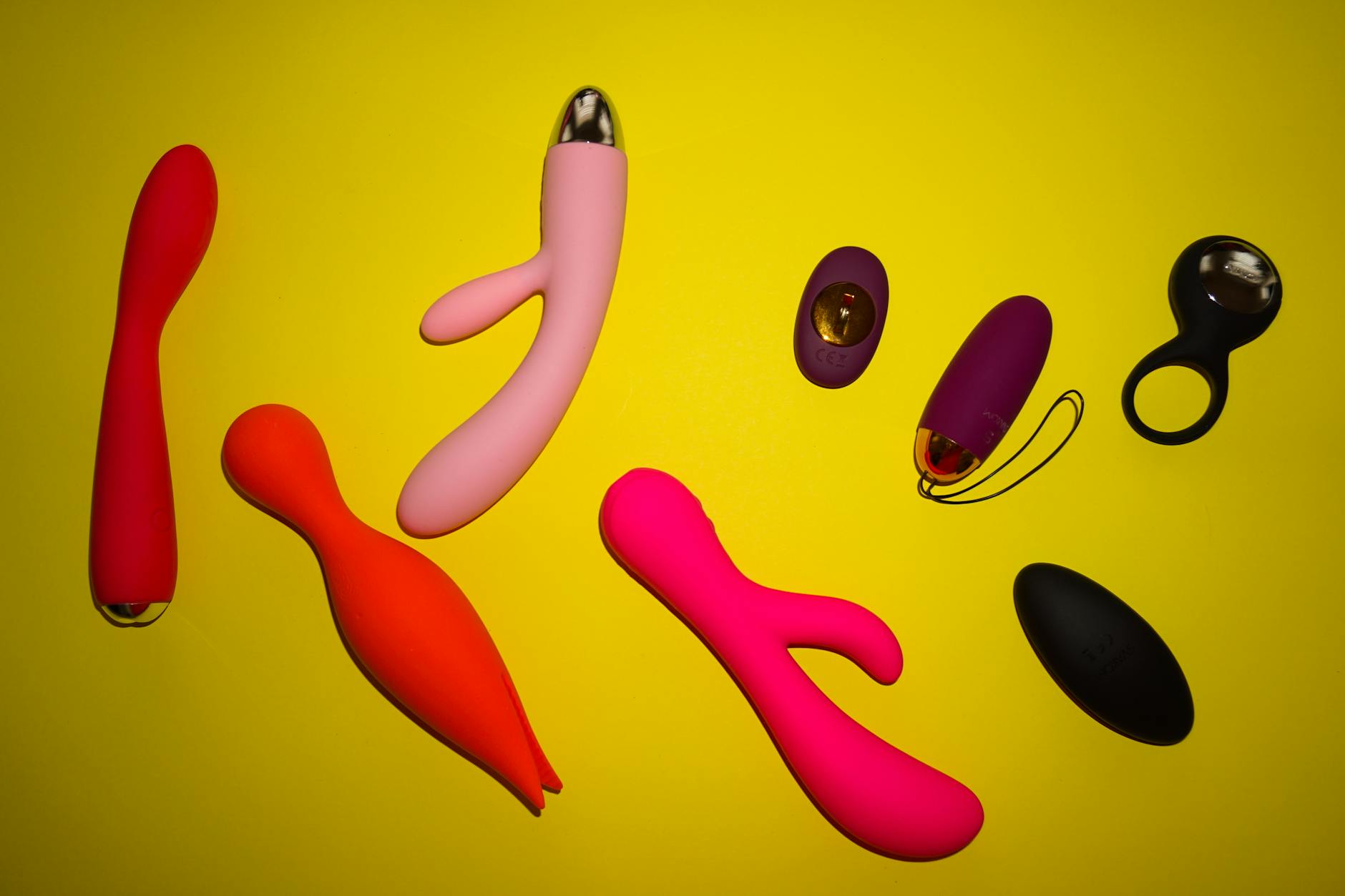
Photo by FounderTips . on Pexels
Matching your lemon vibrator settings to your new hormones
If you're finding your favorite lemon clitoral vibrator setting isn't working the way it used to, try this:
Start one or two settings lower than you normally would. Let sensation build over time. Your body's sensitivity threshold has shifted, and lower intensity actually gives you more nuance than cranking it to your old go-to number. You're not losing pleasure, you're accessing it differently.
Give yourself longer warm-up time. Fifteen to twenty minutes of slower, lower-intensity stimulation before moving to what used to feel "good" immediately. Patience isn't loss. It's adaptation. Many people find that once they stop fighting the timeline, the eventual orgasm is just as satisfying, only it arrives differently.
Pay attention to where in your cycle you feel most responsive. Even on hormonal birth control, your body has subtle rhythms. Some women notice sensitivity peaks mid-cycle or right before their withdrawal bleed. Sync your toy sessions to when your body's most receptive and you'll notice the difference.
When sensation dips beyond normal adjustment
If after 8-12 weeks on birth control your pleasure response still feels muted or numbed out, that's worth mentioning to your doctor or the person who prescribed the method. Not all birth control formulations work the same way for everyone. Some pills have more testosterone-suppressing properties than others. An IUD with lower systemic hormone load might feel completely different than the pill you're on.
It's also worth asking whether the specific progestin matters. Different progestins have different side effect profiles. Some are known to be more libido-dampening than others. If your current method is genuinely flattening your pleasure and you're several months in, switching formulations might actually solve the problem better than any workaround.
Lowered libido and difficulty reaching orgasm can also be a sign that your birth control dose is too high for your individual body. Your doctor can adjust, switch, or try a different method entirely. You don't have to accept "this is just what birth control does" if it's genuinely affecting your quality of life.
Rebuilding confidence with your lemon sexual toys
The mental piece matters as much as the physical. Starting birth control and suddenly noticing your pleasure doesn't work the way it used to can feel like you've broken something about yourself. You haven't. Your chemistry has shifted and your nervous system is recalibrating. That's a process, not a failure.
Give yourself permission to experiment during this transition. Your old technique might not land the same way. That means it's time to explore. Try different vibrator patterns if yours has them. Try different speeds. Try different pacing. The lemon suction technology on many lemon vibrators feels different at lower intensity settings than traditional vibrators do, so if you're noticing change, play with that.
If you have a partner, let them know what's shifted. "My body's responding differently to birth control" is way easier to work with than silent frustration. You're not losing responsiveness forever. You're recalibrating. That's temporary and navigable.
The longer view
Most people who start hormonal birth control experience some pleasure adjustment in the first month. Most also find their body settles into a new normal by month two or three that feels pretty good. Sensation might not be identical to before, but it becomes familiar and workable.
If you love the birth control method you've chosen for other reasons (reliability, ease, lighter periods), the short-term adjustment is usually worth it. If you find it genuinely isn't compatible with the pleasure life you want, there are other options. Have that conversation with your provider. Your sexual health and enjoyment matter in the calculation of whether a birth control method is actually right for you.
In the interim, be patient with yourself. Try starting with lower intensity lemon clitoral vibrator settings and longer warm-up time. Your body isn't broken. It's just speaking a new chemical language, and you're learning to listen.
Frequently asked questions
Why does birth control make clitoral sensation feel numb?
Hormonal birth control lowers testosterone and can reduce blood flow to genital tissue. Both of these directly affect nerve sensitivity. Lower baseline testosterone means less of the neurochemical drive behind desire and responsiveness. Reduced blood flow means less engorgement in the clitoral tissue, which means fewer nerve endings firing during stimulation. This usually normalizes within 6-8 weeks as your body adjusts to the new hormone baseline.
Can switching birth control methods help restore sensation?
Yes, sometimes. Different formulations affect people differently. Some progestins are more libido-suppressing than others. A lower-dose pill, a mini-pill with less hormone suppression, or a non-hormonal method like copper IUD might feel completely different. If sensation hasn't returned after 8-12 weeks and it's bothering you, talk to your doctor about whether a different formulation or method might work better for your body.
Should I use a lemon vibrator differently when on birth control?
Start lower and slower than you normally would. Give your body 15-20 minutes of warm-up time instead of 5-10. Lower-intensity stimulation actually reveals more nuance in sensation than cranking it to your old setting. You're not losing pleasure, you're just accessing it on a different timeline. Let your body guide you and adjust from there.
How long does it take for sensation to return to normal after starting birth control?
Most people notice stabilization between 6-12 weeks. Your nervous system needs time to recalibrate to the new hormone environment. If sensation still feels significantly dampened after 12 weeks, that's worth mentioning to your provider. Some formulations take longer to adjust to, and some might not be the right fit for your body.
Is reduced pleasure on birth control permanent?
No. It's an adjustment period, not a permanent change. Even if sensation feels different long-term, your body does normalize to a workable baseline. Some people report pleasure actually improves once they're fully adjusted because they lose the anxiety of hormonal cycling. The first month or two is the hardest. It gets easier.
Can I use a lemon clitoral vibrator the same way while adjusting to birth control?
You can try, but your body might not respond the way it used to. Rather than forcing your old technique, experiment with lower speeds, longer warm-up time, and different patterns if your toy has them. You're not losing the ability to enjoy your lemon vibrator. You're just learning a new way to access that pleasure while your body adjusts.
Sources
Graziottin, A., & Serafini, A. (2009). HPV infection in women and men: epidemiology, transmission, and role in cancer development. Infertility and Reproductive Endocrinology, 5(Suppl 4), 496-510. Springer.
Donahue, K. L., et al. (2016). Hormonal contraceptives and sexual function. The Journal of Sexual Medicine, 13(2), 213-226.
Austin, S. B., et al. (2010). Longitudinal associations between contraceptive use and depressed mood in adolescent and young adult women. Archives of Pediatrics and Adolescent Medicine, 164(12), 1137-1144.
Naessen, T., et al. (2006). Cardiovascular risk factors and vasomotor symptoms in postmenopausal women. Menopause, 13(3), 474-480.