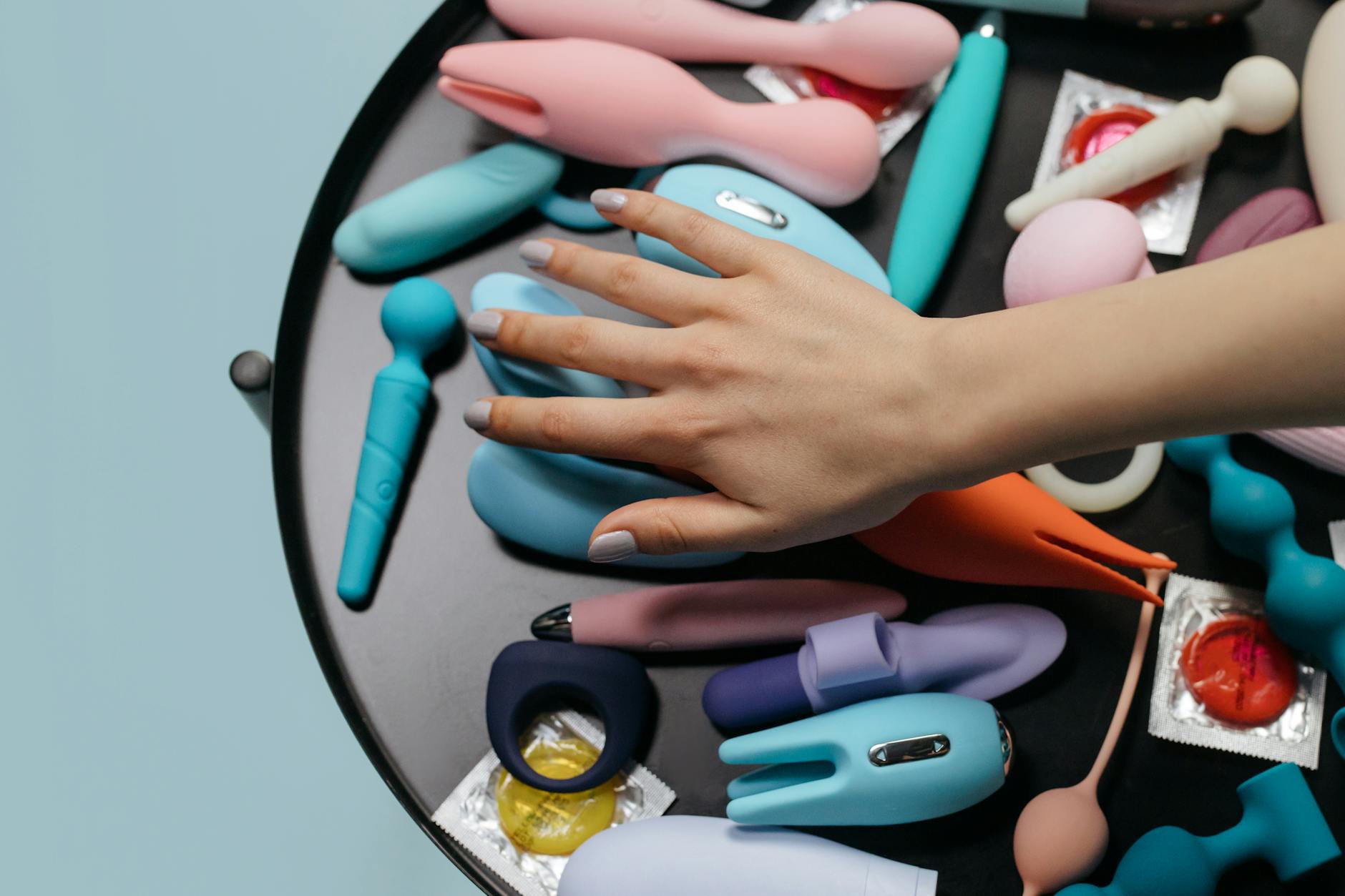
Let's talk about pleasure after pelvic surgery
When you're cleared for sexual activity again, your body isn't the same as it was before. Whether you've had a hysterectomy, fibroid removal, endometriosis excision, or cesarean delivery, surgical healing changes sensation, timing, and how quickly arousal builds. Most medical advice stops at "wait six weeks, then you're fine." But you know better. Fine and ready are two different things.
Here's what actually happens to pleasure during pelvic recovery, and why lemon clitoral vibrators like the Lem work particularly well with a healing body.
What pelvic surgery does to sensation
Surgery creates scar tissue. Even minimally invasive surgery. Even when everything went smoothly. That scar tissue can numb nerve pathways temporarily, change how the pelvic floor contracts during arousal, and shift where sensation feels strongest.
You might notice:
- Clitoral sensation feels muted or distant for months after surgery
- Orgasms take longer to build, or feel less intense
- Touch that used to feel good now feels tender or strange
- The pelvic floor contracts differently, which changes the rhythm of pleasure
- Arousal itself feels slower to arrive
This isn't permanent. But it's also not optional. Your nervous system is literally rewiring itself around new tissue architecture, and that takes time. The suction action of air-pulse lemon vibrators helps because they stimulate the clitoral body without the direct friction that can feel too intense on freshly healed tissue.
The timeline for sensation recovery
Six weeks is when most surgeons say sex is medically safe. That doesn't mean sensation is back. Think of it like this: six weeks is when your internal tissues have sealed. Nerve ending regrowth happens on a different schedule, usually three to nine months.
Weeks 1-6: Don't use anything inside or on the surgical site. Let it heal.
Weeks 6-8: You can explore external touch, but gently. Most people find that sensation is still significantly muted.
Weeks 8-16: This is when many people feel ready to reintroduce vibration. Scar tissue is maturing. Nerve pathways are starting to regenerate. This is typically the sweet spot for introducing external clitoral vibrators like lemon toys.
Months 4-9: Sensation continues to improve. You might find that sensation gets even better than it was pre-surgery as your nervous system recalibrates and you learn your body's new responses.
Beyond nine months: For most people, sensation stabilizes. Some report that it improves beyond the original baseline. Others find a new normal that's different but still deeply pleasurable.
Why lemon vibrators work well for post-surgical bodies
The Lem uses air-pulse suction technology rather than traditional vibration. That matters for healing bodies in specific ways.
Traditional vibrators create micro-movements through direct friction. After pelvic surgery, fresh or maturing scar tissue can find that intensity overwhelming. The suction approach instead gently creates a seal and pulse pattern that stimulates the clitoral body without aggressive contact.
This means:
- You can control intensity precisely through pulse patterns, not just on-off switches
- The sensation is broader and more diffused, which works better when localized sensation is still returning
- There's zero internal insertion required, so you avoid any pressure on healing internal structures
- The water-resistant design makes cleanup effortless if you're still cautious about post-surgical hygiene
The other benefit: air-pulse clitoral vibrators tend to feel less "vibrator-y" and more like an extension of your own body's sensation. That matters psychologically when you're rebuilding trust in your body after surgery.
Starting safely: the protocol
Before you touch any lemon vibrator or sexual toy to your body, get explicit clearance from your surgeon or gynecologist. "Sex is okay" is different from "external clitoral stimulation is okay." Some surgeries have specific restrictions you need to know about.
Once you're cleared:
Start with lowest pulse setting. The Lem has multiple intensity levels for exactly this reason. Begin on the gentlest pattern and spend a few sessions there before moving up. Your nervous system is still recalibrating. Give it time.
Use water-based lubricant. Surgical sites thin out the genital tissue. Even though you're only stimulating externally, a slick surface reduces friction and makes everything feel more comfortable. It also signals to your nervous system that this is a safe, pleasure-focused touch.
Plan for longer warm-up time. Arousal might take 20-30 minutes instead of 5-10. That's not broken. That's healing. Use that time for breathing, partner touch, or fantasy. Let arousal build gradually.
Watch for pain, not discomfort. Mild tenderness is normal. Sharp pain, burning, or swelling afterward means you went too far too fast. Back off intensity for a week, then try again more gently.
What to expect emotionally
Physical sensation isn't the only thing that shifts after pelvic surgery. Many people feel grief about their body, anxiety about whether pleasure will ever return, or disconnection from the parts of themselves that feel changed.
That's where patience with yourself matters as much as patience with your body's healing. Some people find that reintroducing clitoral vibrators feels empowering, like reclaiming their pleasure. Others find it triggering or sad at first. Both are completely normal.
If you have a partner, this is a conversation to have explicitly. "I'm starting to explore pleasure again, and I'd love your support" is different from "I'm ready to have sex." Separating those two invitations helps both of you show up more fully.
When sensation doesn't come back on schedule
If it's been six months and clitoral sensation still feels nearly absent, or if touch that used to feel good is now painful, talk to your surgeon. Sometimes scar tissue needs attention. Pelvic floor physical therapy can help regenerate sensation and improve nerve function. That's not a sign you failed recovery. It's targeted help that accelerates healing.
The same goes if orgasms still feel impossible after nine months. A pelvic floor physical therapist trained in sexual health can assess whether scar tissue, pelvic floor tension, or nerve damage is the culprit and offer specific interventions.
The bigger picture
Pelvic surgery is a significant event. Your body has been through something real. Pleasure doesn't snap back because your clearance letter arrived. It returns in waves, on its own timeline, sometimes surprising you with how good it can feel.
Lemon clitoral vibrators fit into that recovery as a tool that meets your body where it actually is right now, not where the medical system assumes it should be. You deserve pleasure that works for your healing, not in spite of it. That starts with honesty about what your body needs and patience with what it's becoming.
People also ask
When is it safe to use a lemon vibrator after pelvic surgery?
Most surgeons clear external stimulation around week 8-12 post-surgery, once internal tissues have fully sealed and initial healing is further along. However, this varies by surgery type and individual healing. Always get explicit clearance from your surgeon before using any vibrator or sexual toy. If you had internal surgery, discuss whether external clitoral stimulation specifically is safe. Some people need to wait longer than others depending on where the surgical site was and how extensive the procedure was.
Will using a lemon vibrator slow down my recovery?
No, as long as you follow your surgeon's clearance and start gently. External clitoral stimulation doesn't interfere with healing when it's done after the appropriate waiting period. In fact, some people find that gentle pleasure exploration actually helps their nervous system regulate and aids overall recovery. The key is listening to your body and stopping if something causes pain or swelling.
Can I use a lemon vibrator if I have scar tissue from surgery?
Yes. The air-suction design of lemon clitoral vibrators like the Lem makes them particularly suitable for bodies with scar tissue because they don't require intense direct friction. The gentler, broader stimulation pattern works well with tissue that's still recalibrating. If touch is painful or sensation is absent, start with the lowest pulse setting and gradually increase over weeks. Scar tissue sensitivity often improves with gentle, consistent stimulation as nerve endings regenerate.
How do I know if sensation is returning normally after pelvic surgery?
Normal sensation recovery is gradual and nonlinear. You might notice that some days feel more sensitive than others. By week 12, you should feel some return of sensation, even if it's muted. By month 6-9, most people report significant improvement. If you're at month 12 and sensation is still nearly absent, or if pain accompanies any touch, ask your surgeon for a pelvic floor physical therapy referral. That's not a failure of your body. It's a sign you'd benefit from targeted help.
Is it better to use a lemon vibrator alone or with a partner during recovery?
That depends entirely on what feels safe and pleasurable to you. Many people find that exploring alone first helps them understand their body's new responses without performance pressure. Others want their partner's support and presence as part of reclaiming pleasure together. There's no right way. What matters is that you're in control of the pace and that both you and your partner (if applicable) understand that this is a healing process, not a return to pre-surgery sex.
What if my partner wants to resume sexual activity but I'm not feeling sensation yet?
This is one of the most common disconnects after pelvic surgery. Medical clearance and emotional readiness are rarely the same timeline. Be direct with your partner: "I'm cleared medically, but sensation is still returning. I need us to go slower than we did before." That's not rejection. That's information. The best partners welcome that honesty because it means you're actually going to enjoy what happens next. If your partner can't accommodate a slower pace during your recovery, that's a sign you need to have a bigger conversation about respect and care in your relationship.
What comes next
Your pleasure matters, not as some distant goal you'll reach when you're fully healed, but as part of your healing right now. Whether that looks like exploring a lemon clitoral vibrator, having long conversations with a partner about what your body needs, or working with a pelvic floor physical therapist to reclaim sensation, you deserve support that meets you where you actually are.
If you're struggling with how to move forward after pelvic surgery, or if pleasure feels impossibly far away, reach out. Get in touch with our team to talk through what recovery looks like for you.