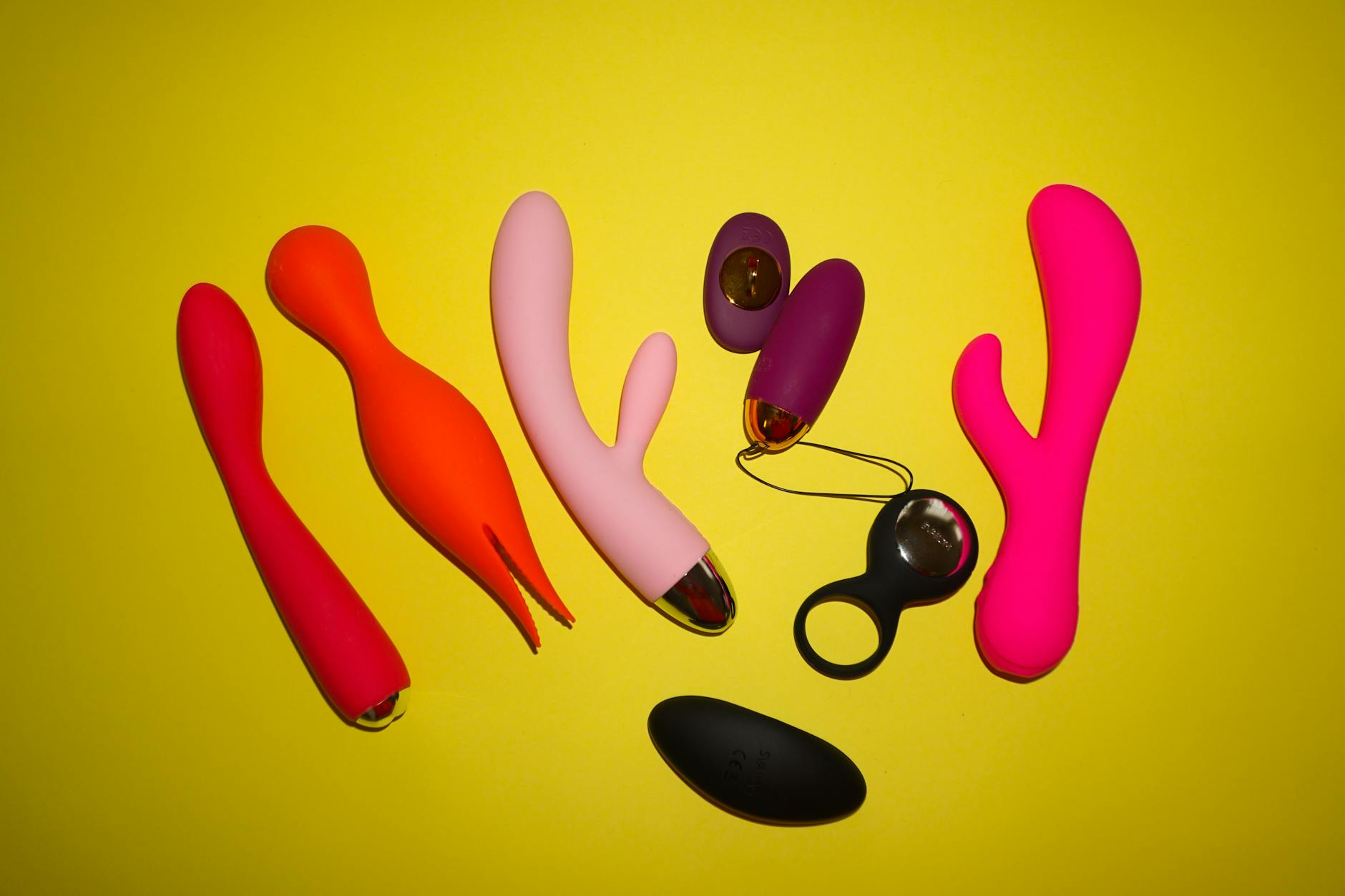
Let's be real about endometriosis and sex
Endometriosis changes everything about pleasure. Not because you're broken, but because inflammation, scar tissue, and unpredictable pain make your pelvic floor defend itself. Many women with endometriosis avoid touch entirely because the risk of triggering pain feels bigger than the promise of pleasure. That's a reasonable survival strategy. It's also a lonely one.
Here's what I want you to know: using a lemon clitoral vibrator with endometriosis is not just possible. It's often easier than partnered sex because you control the pressure, depth, and timing entirely. The trick is understanding what your body actually tolerates right now, and building from there.
How endometriosis changes physical response
Endometriosis causes inflammation throughout your pelvis. That inflammation makes tissues hypersensitive, and it tightens the pelvic floor as a protective response. Your body is doing its job. It's just doing it in a way that makes pleasure harder to access.
When you're in a flare, direct internal stimulation often triggers pain. The good news? Clitoral stimulation, especially with a tool like the Lem that uses gentle suction instead of vibration or pressure, tends to feel safer because it's external and you control the intensity completely.
Most women with endometriosis also experience a narrowed window of tolerance. You might have 5-7 days a cycle where pleasure is genuinely accessible, and the rest of the month where it feels physically risky. That's not a personal failing. That's physiology.
Why the lemon vibrator works better for endometriosis
The Lem uses air-suction technology instead of traditional vibration. This matters hugely for endometriosis. Here's why.
Traditional vibrators send continuous oscillation through tissue. For someone with inflammation and a defensive pelvic floor, that can feel like static triggering more tension. Suction, by contrast, creates a gentle pulse that stimulates the clitoral nerve cluster without the mechanical pressure that typically escalates pelvic pain.
You also get pressure control. Start at pattern 1 and 2, where the sensation is mild and concentrated. You're not fighting vibration intensity. You're guiding sensation exactly where you want it. Many women with endometriosis report that they can reach orgasm with the Lem when other vibrators would trigger cramping or sharp pain.
The key is that suction doesn't require penetration. Endometriosis pain is often worse with anything entering the vagina, especially during certain cycle phases. With the Lem, you're targeting external pleasure, which means you skip the mechanism that typically aggravates the condition.
Timing is everything: when to use it during your cycle
I tell every client with endometriosis the same thing: map your own window. Most women find that the week after their period ends is when pain is lowest and pleasure is most accessible. Some find it mid-cycle. A few find pleasure is only possible on specific days.
Track it for two cycles. Note which days feel manageable, which days feel risky, and which feel impossible. That's your pleasure window. Don't fight against it. Work inside it.
If you're on hormonal birth control that suppresses your cycle, you might not have a clear monthly pattern. In that case, track based on flares. When you're not in a flare, that's your window. When you feel inflammation ramping up, step back. That's not denial. That's listening to your body.
Start using the Lem only during your best pain days at first. This isn't forever. It's building confidence that pleasure doesn't automatically mean pain. Once you know the Lem doesn't trigger you, you can experiment with other days cautiously.
How to actually use it without triggering pain
Four things make the difference between pleasure and pain.
Start at the lowest setting. The Lem has pattern options. Begin at 1 or 2. Your nervous system is already hypervigilant. Gentle is not weak. Gentle is smart.
Use external stimulation only. Keep the Lem external. You're targeting the clitoral head and vulval tissue. Don't push it inside or hold it in a way that pressures the vaginal opening. External means safer, and for most women with endometriosis, it means more sensation anyway.
Warm up your nervous system first. Spend 5-10 minutes on something that feels good but isn't sexual. A hot shower. Touch that doesn't escalate. Breathing work. Your pelvic floor needs permission to relax before you layer in stimulation.
Stop if pain appears. Not discomfort. Not the sensation of pleasure building. Actual pain. Sharp, burning, cramping. Stop immediately. Your nervous system is flagging that this isn't safe right now. Honor that. You can try again tomorrow or next week. Pushing through teaches your body that pleasure isn't trustworthy.
Partnered use when you have endometriosis
If you want to use the Lem with a partner, communication shifts everything. Most women with endometriosis avoid even telling partners about the condition, which means partners don't understand why sex stopped working.
The conversation isn't about the vibrator. It's about your body's actual limitations right now. Something like: "My body has a narrower window for pleasure than it used to. Some days it feels good to explore. Other days it would trigger pain. I want to figure this out together."
Then, during your good days, you can use the Lem together. Your partner holds it, or you do, while they focus on your face, your breasts, your neck. The vibrator handles one job. Your partner handles emotional connection. That split often feels safer than trying to do everything at once.
Many couples also find that when penetrative sex becomes too risky, clitoral play with the Lem becomes their primary sexual connection. That's not a downgrade. It's a pivot. And it can be deeply intimate if you approach it that way.
The pelvic floor piece nobody mentions
Here's something crucial: endometriosis tightens your pelvic floor as a protective response. Pleasure requires your pelvic floor to release. Using a vibrator without addressing pelvic floor tension is like trying to have an orgasm with your thighs clenched. You're working against yourself.
Before you use the Lem, spend two weeks doing pelvic floor relaxation. Not Kegels. Kegels tighten. You need the opposite. Try deep breathing where you consciously relax your pelvic floor on the exhale. Many women find a pelvic floor physical therapist helpful here, especially someone trained in endometriosis.
Once your pelvic floor starts releasing, the Lem becomes dramatically more effective. Suddenly pleasure builds instead of plateaus. Orgasms feel possible again. That's not the vibrator doing something new. That's your body finally getting the signal that pleasure is safe.
Managing expectations during flares
You will have cycles or days where pleasure feels impossible. When inflammation is high, your nervous system shuts down access. That's protection, not punishment. Don't use the Lem during flares expecting to feel good. You'll likely feel blocked or numb or like your body is rejecting pleasure entirely. That triggers shame that doesn't belong there.
During flares, focus on things that genuinely feel good without pushing pleasure. A bath. Massage on non-painful areas. Being touched in ways that are nurturing but not sexual. Your body needs to know you're not going to force it.
Once the flare passes, pleasure often returns quickly. That cycle reinforces something important: your loss of pleasure is temporary and tied to your condition, not to your worth or your capacity for connection.
When to reach out for professional support
If pain worsens or if you develop sexual aversion even during low-pain days, see a pelvic floor physical therapist trained in endometriosis. Also see a therapist if the emotional weight of lost intimacy is becoming isolating. Both are common. Both are treatable.
Some women benefit from topical pain relievers applied before pleasure. Some find that certain medications time-shift their pain window and expand their pleasure window. A gynecologist who understands endometriosis can help you explore that. You're not broken. You're adapting.
Endometriosis doesn't end your sexuality. It changes the terms. The lemon vibrator helps you work within those new terms instead of against them.
FAQ: Endometriosis and using the Lem vibrator
Can I use the Lem during my period if I have endometriosis?
Maybe. Period pain and endometriosis pain are different systems, and they interact unpredictably. Some women find that gentle clitoral stimulation during their period actually eases cramping. Others find it escalates pain immediately. Start by just observing. Don't use the Lem on day one of your period. Wait until days two or three when you can tell whether your pain is manageable. Then try the lowest setting externally for just a few minutes. If it feels good, continue. If pain appears, stop. Your body will teach you what works.
Does using the Lem make endometriosis flares worse?
No, if you're using it correctly. The concern is that you're triggering pain and interpreting that as the vibrator causing damage. What's actually happening is you're discovering that your nervous system isn't ready. That's information, not damage. The vibrator itself isn't making endometriosis worse. But using it during the wrong window or at the wrong intensity can trigger pain that feels like it is. Start conservatively. You can always increase intensity later.
What if the Lem feels too intense even at the lowest setting?
Try this: hold the Lem away from your body slightly so it's not directly on your clitoris. Let the sensation be indirect. You get the benefit of the suction without full pressure. As your nervous system becomes more confident, you can bring it closer. Or skip suction entirely for a few weeks and just use the Lem as a gentle massager without turning it on. Explore how your body likes to be touched at zero stimulation first.
Can using a vibrator help reduce pelvic pain over time?
Not directly. But it can help rebuild the neural pathway between your body and pleasure, which your nervous system has learned to reject. Over time, that pathway rehabilitation can reduce some of the protective clenching that endometriosis causes. Think of it less as treatment and more as nervous system retraining. Many women report that as they rebuild pleasure, their baseline pelvic tension decreases. That's not the vibrator healing endometriosis. That's your nervous system becoming less defensive.
Should I tell my partner I have endometriosis before using the Lem together?
Yes. Because if you don't, your partner will interpret your pleasure patterns as something about them. "Is it me?" "Did I do something wrong?" All of that becomes about your relationship instead of about your body's real limitations. One honest conversation where you explain the condition, your pain window, and what feels safe transforms the dynamic completely. Your partner becomes collaborative instead of confused or blamed.
What lubricant works best with the Lem if I have endometriosis?
Water-based, always. Endometriosis often comes with tissue sensitivity, and silicone lubes can sit on the skin longer and sometimes feel irritating. Water-based lubricant is gentler and washes away easily if you need to stop suddenly. Use generously. Endometriosis frequently comes with reduced natural lubrication, so external lube isn't optional. It's essential for comfort.
The long game
Endometriosis is a chronic condition. Some months you'll have access to pleasure. Other months, the cost will feel too high. That's not a character flaw or a sign that you're broken. That's how chronic pain works. The goal isn't constant pleasure or pretending pain doesn't exist. The goal is building moments of genuine connection with your own body during the windows when it feels safe.
The Lem vibrator is one tool for those moments. It's not a cure for endometriosis. It's not a guarantee that pleasure will always work. But it's a way to tell your body, over and over, that pleasure still matters. That you still matter. And that's where healing begins.
If you want to talk through your specific situation or need support rebuilding intimacy during a chronic pain condition, reach out. That's what I'm here for.