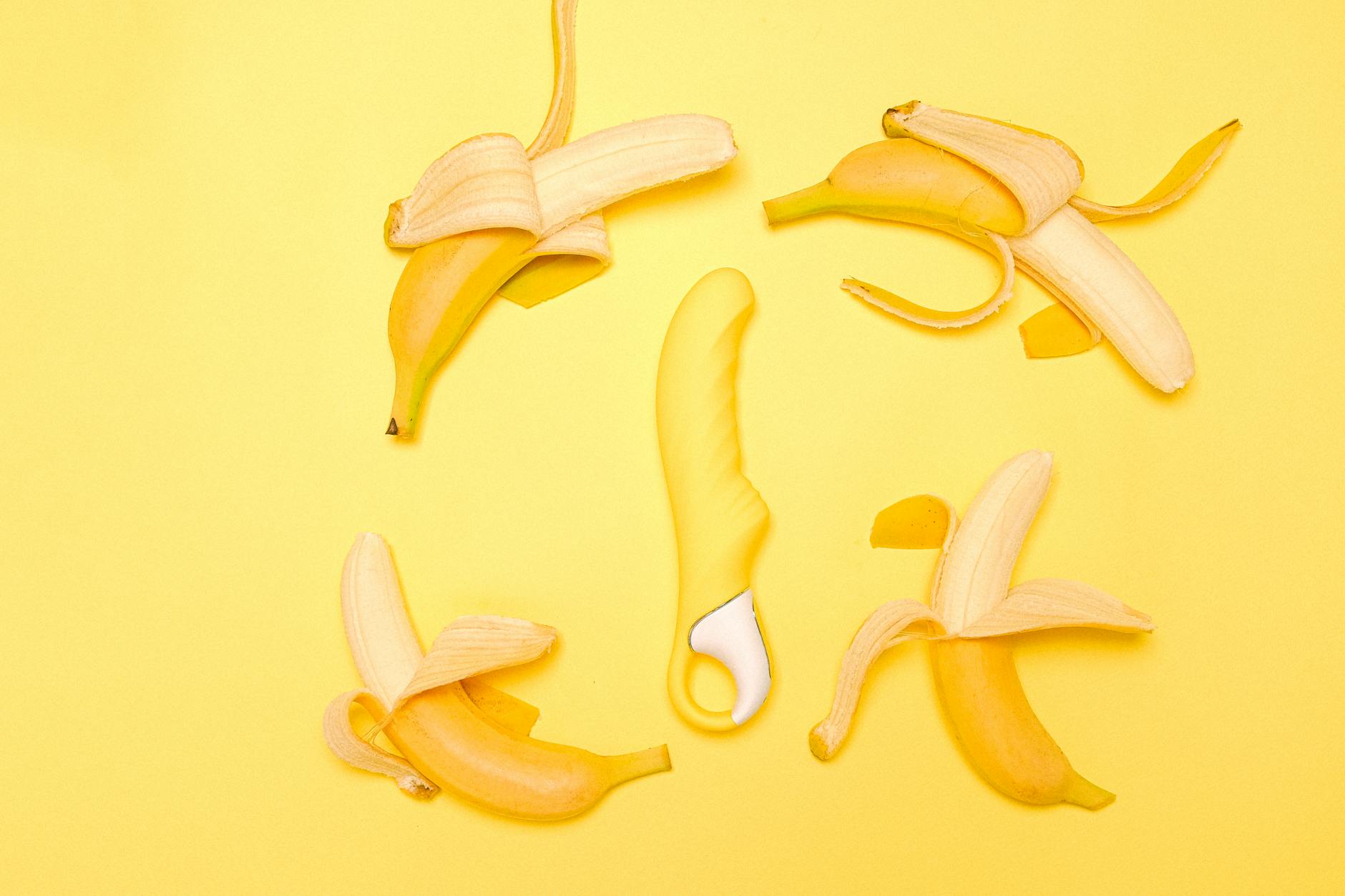
You're not starting over. You're waking up.
Stopping hormonal birth control is one of those body transitions nobody warns you about clearly. Your hormones don't just gently settle back down. They reset. And that reset touches everything about how pleasure works for you.
The weird part? This transition can actually be a gift. Not immediately. Not always easily. But if you know what's happening in your body and how to work with it, you might discover a version of arousal and sensation you haven't felt in years.
What actually changes when you quit hormonal birth control
Hormonal birth control suppresses your natural cycle. It flattens the peaks and valleys of estrogen and testosterone that your body normally makes every month. When you stop taking it, those hormones come roaring back. This takes time. Your cycle won't regulate overnight—usually 3 to 6 months before things settle into a new normal.
During those first months, here's what you might notice:
Your libido might spike. This is testosterone returning. After years on the pill, you might feel a desire you'd almost forgotten existed. That's normal and actually a good sign your endocrine system is waking up.
Your clitoral sensitivity changes. Hormonal birth control can dull sensation slightly. Coming off it often means your nerve endings become more responsive. But responsive doesn't always mean "easier to trigger." Sometimes it means you're more aware of sensation, which feels different from being more aroused.
Your lubrication pattern shifts. You're no longer getting the steady hormone levels the pill provided. Instead, you're back to your body's natural fluctuation. Some days you'll self-lubricate readily. Other days your body won't cooperate, especially during the follicular phase (the first half of your cycle).
Your arousal timeline expands. Many people find that after stopping hormonal birth control, it takes longer to warm up to sex. This isn't dysfunction. It's often just your body reclaiming its own rhythm instead of being shaped by synthetic hormones.
Why a lemon clitoral vibrator matters during this transition
A lemon vibrator, especially one designed with suction technology like the Lem, works brilliantly during hormonal transitions because it doesn't require traditional friction-based arousal. You don't have to wait for your body to lubricate or for natural engorgement to happen. Suction stimulates the clitoris by creating pressure waves that trigger nerve endings without needing your body to cooperate with lubrication or readiness first.
This means you can explore sensation on days when your body feels less responsive. You're not forcing anything. You're using design to meet your body where it actually is right now.
Many people also find that using a lemon adult toy during this transition helps them rebuild the connection between their brain and their body. After years on hormonal birth control, some folks report feeling a bit disconnected from their physical pleasure. A vibrator that works gently and efficiently can help you remember what sensation feels like for you specifically, not what your hormones have been telling you it should feel like.
The month-by-month shift: what to expect
Weeks 1-2 off hormonal birth control usually feel like a relief. Your body starts processing the absence of synthetic hormones. Many people feel more energy, sometimes more emotional clarity. Sexually, not much changes yet.
Weeks 3-6 is when things get interesting. This is often when libido spikes. If you're someone who uses a vibrator, you might notice you want to use it more. Your clitoris might feel more alert to touch. Go with this. Your body is experimenting. There's no such thing as "too much" exploration during this phase.
Months 2-3 is where the landscape gets variable. Your cycle is trying to regulate but isn't stable yet. Some days you might feel wildly aroused. Other days sensation might feel muted. This isn't a problem. It's just what happens when your hormones are finding their natural rhythm again. A lemon vibrator is useful here because it removes the guesswork. Instead of waiting for your body to feel ready, you can use stimulation that works regardless of where you are in your cycle.
Months 4-6 things usually normalize, though "normal" might look different from your pre-pill normal. Your cycle settles. Your baseline desire establishes itself. Many people say they feel like they've met themselves again.
How to use your lem vibrator during this transition
Start with lower intensity patterns, even if you normally use higher ones. Your sensitivity is shifting, and what felt "just right" before might feel too intense now. The Lem's first few patterns give you room to explore without overwhelming newly awakened nerve endings.
Use lubricant more generously than you might normally. Even though your body might eventually produce its own lubrication as the transition settles, many people find that during the first few months off the pill, a water-based lube makes the experience feel better. It's not a sign something's wrong. It's just smart engineering.
Experiment on different days of your cycle if you can. Keep a simple note of when you feel most responsive, least responsive, and "medium." After a few months, you'll see a pattern. That pattern is your actual cycle returning. Understanding it helps you know when to prioritize solo pleasure and when to be gentler with yourself.
Don't compare your arousal to how it felt on birth control. This might sound strange, but many people unconsciously measure their "normal" against the artificial baseline created by hormonal contraception. Your body's actual normal might be different. That's not worse. It's just yours.
Common surprises (and why they're actually normal)
You might feel more emotional during or after solo pleasure. Hormones influence mood, and as yours rebalance, you might notice your emotions are closer to the surface. That's not a sign to stop. It often means your body is processing and recalibrating.
Your orgasms might feel different. Maybe stronger. Maybe more diffuse. Maybe quicker to arrive in some phases of your cycle and slower in others. None of these variations are problems. They're signals that your nervous system is waking up.
You might have phases where you feel less interested in using a vibrator at all. This is common right before your period, when progesterone rises and libido often dips naturally. That's not your vibrator failing you. That's your cycle working normally. When you hit the follicular phase (after your period), interest usually returns.
When to check in with a healthcare provider
If you're experiencing persistent pain during pleasure, talk to your doctor. This isn't typical for coming off hormonal birth control and might signal something else worth investigating.
If your periods don't regulate within 6 months, or if you develop new symptoms like severe mood shifts or a complete absence of arousal, mention it to your GP. Most people regulate beautifully on their own, but some benefit from bloodwork or other support to understand what's happening.
If you find yourself using a vibrator compulsively in ways that feel anxiety-driven rather than pleasure-driven, that's worth exploring too. Sometimes the hormonal upheaval of stopping birth control can trigger anxiety, and that shows up in your body.
The upside nobody talks about
Here's what I've seen consistently in my work with people making this transition: once your hormones settle, many of you report that pleasure feels more authentic. You're no longer operating under the influence of synthetic hormones. You're experiencing your actual baseline libido, actual arousal patterns, actual desire.
That baseline might be higher than you expected. It might be lower. It might be weirdly cyclical in ways that surprise you. But it's yours. And once you stop measuring it against the artificial normal created by birth control, you get to build a relationship with pleasure that actually matches your body.
A lemon clitoral vibrator during this transition isn't a crutch. It's a tool that lets you experiment safely while your body finds its way back home.
People also ask
How long does it take for libido to return after stopping hormonal birth control?
Most people notice a shift within 2-3 weeks as testosterone starts to rise. But full hormonal regulation usually takes 3-6 months. Libido doesn't follow a straight line during this time. You might feel a spike, then a dip, then a plateau. That variability is normal. If you notice no change to your desire after 6 months, or if you feel persistently low libido, it's worth checking in with your doctor to rule out other factors like thyroid issues or vitamin deficiencies.
Can I use a lemon vibrator right after stopping birth control pills?
Absolutely. Some people wait a few weeks to see how their body responds naturally first. Others jump in immediately. Both are fine. There's no "correct" timeline. If you're curious about sensation right away, use it. If you'd rather let your hormones settle first, wait. Either way, when you do use your Lem, start with gentler patterns to see how your newly sensitized clitoris responds.
Will stopping birth control change how my vibrator feels?
Yes, likely. During hormonal transitions, nerve sensitivity changes. A vibration pattern that felt perfect before might feel different—sometimes more intense, sometimes less. That's why starting with lower intensity is smart. Your body's baseline is shifting, so your relationship with external stimulation shifts too. After a few months when hormones stabilize, you might find you prefer the same patterns as before, or you might discover new favorites.
Is it normal to feel less sensation during the first month off birth control?
Yes. Some people experience a brief dip in sensitivity as their body recalibrates. This usually passes within 2-4 weeks as hormones begin to stabilize. If reduced sensation persists beyond that, it's sometimes worth having a conversation with your doctor to check your iron levels and overall health, since those can affect nerve function and sensation.
Should I use more lubricant with my clitoral vibrator after stopping the pill?
Many people find they need or prefer more lube in the first few months, even if their body eventually produces sufficient natural lubrication. This isn't a problem. It's actually smart—lube helps your vibrator glide smoothly and can make sensation feel richer. Use a water-based option to keep your toy in good shape. As your cycle regulates over the coming months, you'll develop a feel for when you need supplemental lube and when your body handles it naturally.
Can stopping hormonal birth control permanently change my arousal or orgasm?
It can absolutely shift your baseline. That's not the same as damaging it. Many people find their orgasms feel more intense, more varied, or more genuine after coming off hormonal birth control because they're no longer operating under the influence of synthetic hormones. Your capacity for pleasure doesn't disappear. What changes is the landscape your pleasure lives in. For most people, that's actually a positive shift.
Take your time. Your body knows what it's doing.
Transitioning off hormonal birth control is genuinely one of those moments where having the right tools matters. A lemon vibrator gives you a way to explore sensation without waiting for your body to cooperate with old patterns. It lets you listen to what your body actually wants right now, not what it's been trained to want.
If you're struggling with the transition, if arousal feels absent or overwhelmingly intense, or if something feels wrong, reach out to a healthcare provider. But if you're navigating this shift and you're just trying to stay connected to yourself while your hormones recalibrate, know that what you're experiencing is normal. Your body isn't broken. It's becoming itself again.
That's worth celebrating—and exploring.
Have questions about what to expect or how to use a lemon vibrator during this specific transition? Get in touch. That's what we're here for.
References and sources
Bösze, P., Ferenczy, A., & Tanos, V. (2012). Long-term effects of levonorgestrel-releasing intrauterine systems and thermal balloon endometrial ablation in heavy menstrual bleeding: Five-year follow-up. Fertility and Sterility, 98(6), 1585-1591.
Roberts, C., Meldrum, D. R., & Tatpati, O. (2007). Cardiovascular effects of hormone replacement therapy. Current Opinion in Pharmacology, 7(6), 613-618.
Winer, S. A., Primeau, R. L., & Chahine, K. G. (2016). Physiological changes associated with oral contraceptive discontinuation: A literature review. Contraception, 94(5), 465-475.
Zita, J. N. (2015). Only Breast: How Science Forgets Women. University of Chicago Press.