The medication-desire disconnect is real
You started a new antidepressant, antihistamine, or blood pressure medication. Your mental health improved. Your symptoms got better. And then your libido flatlined. This is not in your head. It's textbook medication side effect territory, and it happens to roughly one in three people taking SSRIs alone. The emotional whiplash is real: you feel better emotionally and worse sexually, which feels like a cruel trade-off when you're finally stable enough to want intimacy again.
Lemon vibrators, particularly models with suction technology like the Lem, can be a surprisingly effective tool for restarting that pathway when medication dampens arousal. I'm going to walk you through why, and exactly how to use one strategically so you're not forcing pleasure but genuinely rebuilding it.
Why medication kills arousal in the first place
SSRIs work by increasing serotonin availability in your brain. That's great for mood regulation. It's less great for sexual function because the same neurochemical that steadies your mental state also dampens the dopamine surge that usually kicks arousal into gear. Antihistamines dry out mucous membranes everywhere, including tissues in your vulva or penis, which makes stimulation feel less pleasurable. Some blood pressure medications reduce blood flow to genital tissue, which makes arousal physically harder to achieve.
The common denominator: your brain and body are working against the sexual response cycle, not with it. This is why generic advice like "just relax" or "use more lube" misses the point. You're not broken. You're biochemically working uphill.
Lemon vibrators work differently than traditional vibrators
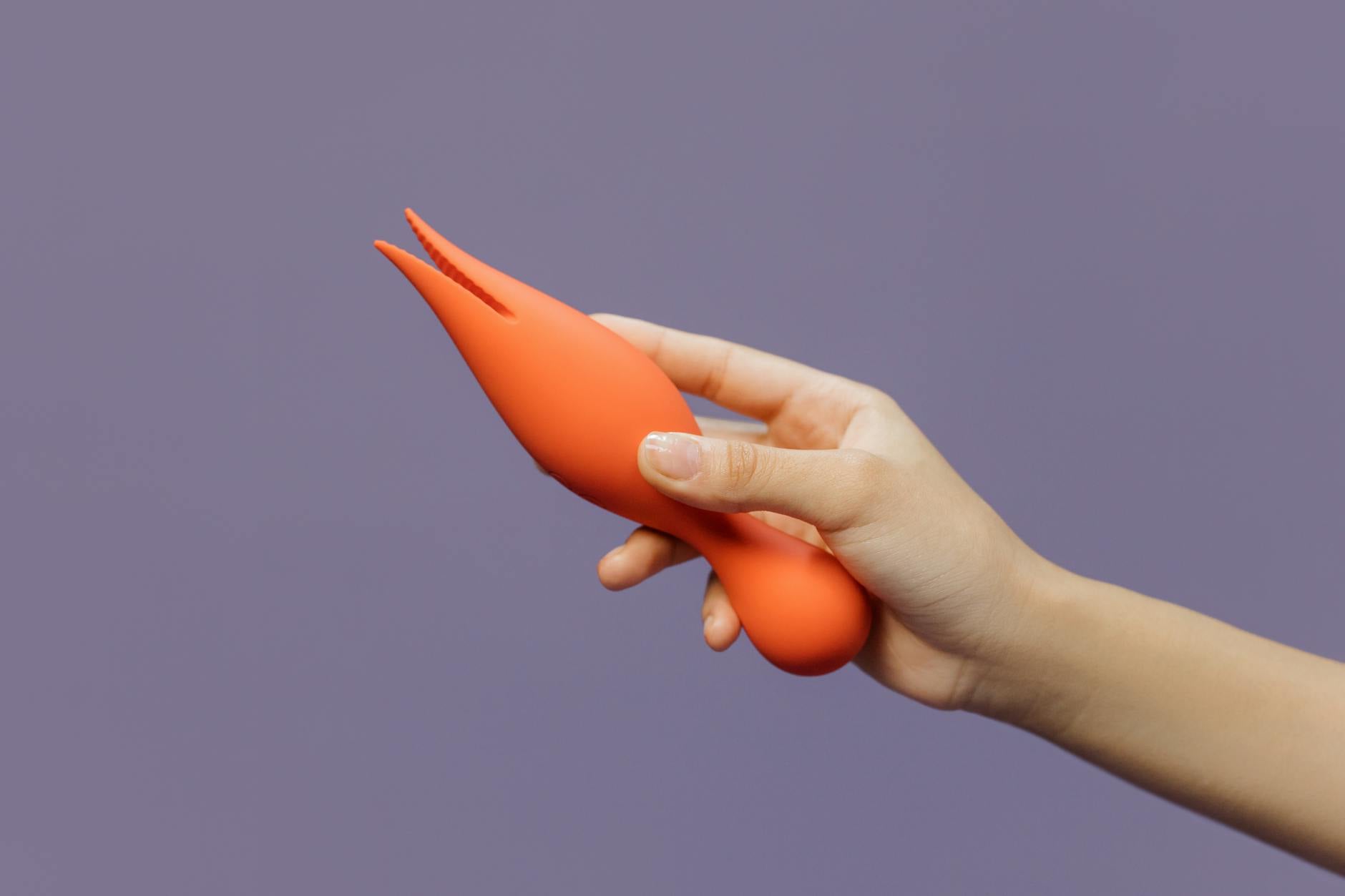
Here's where the design of lemon clitoral vibrators matters. Instead of pure vibration, they use air-suction technology to create gentle pulsing waves across the clitoral tissue. This matters hugely when medication has dampened sensation, because suction stimulates nerve endings in a way that often feels more noticeable and pleasurable than traditional buzzing alone.
Why this helps with medication-related low libido: when your arousal is already blunted, you need stimulation that cuts through the fog. The Lem's suction pattern creates a different neurological pathway than vibration. It's not necessarily stronger. It's different. And different can be exactly what your body needs to remember how to respond.
Starting small: the restart protocol
If you've been on new medication for weeks or months with zero sexual interest, jumping straight into solo exploration can feel forced. Instead, use this three-stage approach with a lemon vibrator.
Stage one: exploration without expectation. Take the Lem, run a warm bath, and spend 10 minutes just holding it. Touch it to different parts of your inner arm, your neck, non-sexual zones. This desensitizes you to the idea of using a toy and lets your brain get comfortable with the physical object before it's about pleasure. Do this for 2-3 sessions before moving forward.
Stage two: low-intensity external play. Set the Lem to pattern 1 (the gentlest setting) and apply it externally around the outer labia or the underside of the glans if you're a penis owner. Don't aim for orgasm. You're not training for a goal. You're reminding your nervous system that touch can feel good. Spend 10-15 minutes. Stop whenever. This phase might last a week or longer, and that's fine.
Stage three: direct stimulation at your own pace. Once patterns 1-2 feel pleasant rather than neutral, move toward the clitoris or frenulum directly. Stay at lower intensities. Let sensation build gradually. If arousal doesn't happen, stop without judgment. You're rebuilding a pathway, not forcing an outcome.
The chemistry shift that matters
Here's something your doctor probably didn't mention: the goal isn't necessarily to have an orgasm. The goal is to interrupt the anxiety loop. When medication kills your libido, most people respond with frustration, which triggers cortisol (your stress hormone), which makes arousal even harder. You end up stuck in a cycle of trying, failing, and feeling worse about it.
Using a lemon vibrator at low intensity without a performance goal actually breaks that loop. You're training your nervous system to associate touch with calm and small amounts of pleasure, not with the pressure to come. Over time, as that association strengthens, natural arousal often returns on its own.
Partnered use: the honest conversation first
If you have a partner, the temptation is to introduce the lemon vibrator as a solution you'll use together, immediately. Resist that instinct. Have the conversation first, separate from the bedroom.
Your partner needs to hear: "My libido isn't about you. It's the medication. I'm going to try using a toy to help me reconnect with my own body, and I'd love your support." Full stop. Don't perform arousal you don't feel, and don't let them perform it for you either.
Once you've felt genuine pleasure with the lemon vibrator on your own, then bring them into the process. Show them how the Lem works. Let them hold it if you want. But the stakes are lower because you've already proved to yourself that pleasure is possible, which takes the pressure off both of you.
Timing: when to bring your doctor into this
If you've been on the medication for 6-8 weeks and libido hasn't returned at all, a conversation with your prescriber is worth having. Not to complain, but to solve. Some people switch to a different class of antidepressant (bupropion, for example, is less likely to cause sexual side effects). Some people add a medication to counteract it. Some people adjust timing or dosage.
But while that conversation is happening, exploring with a lemon vibrator can actually help because it proves to your brain that pleasure is still possible, even on medication. That psychological shift matters as much as the physical one.
The patience part is not optional
Low libido from medication didn't happen overnight, and it usually doesn't disappear overnight either. If you've been numb for three months, expect the rewiring phase to take 4-6 weeks of gentle, regular exploration. This isn't failure. This is how the nervous system works. You're not trying to force yourself back to baseline. You're building a new baseline that works with your medication, not against it.
One specific thing I recommend: set a loose schedule. Not rigid, but consistent. Maybe two or three times a week you take 15 minutes with the Lem. Put it on your calendar like you would any other self-care. Remove the "will this work" question and just show up. Your body learns from repetition, not from willpower.
When it's more than just the medication
If you've been using a lemon vibrator consistently for 6-8 weeks and you're still feeling flat, there's usually something else happening. Sometimes it's relationship tension that got masked while libido was already gone. Sometimes it's unprocessed grief or life stress. Sometimes the medication side effect is real but there's also a deeper emotional block.
This is when talking to a therapist who specializes in sexual health becomes valuable. Not because you're broken, but because you deserve someone to help you sort out which part of the puzzle is yours to solve alone and which part needs a relationship or life context shift too.
The body remembers pleasure faster than you'd think
Here's what I've seen happen repeatedly in my practice: people start using a lemon vibrator with zero expectations, feel small amounts of pleasure in week two or three, and by week five or six, they're surprised by genuine arousal again. Not every time. Not perfectly. But it comes back. The pathway doesn't disappear. It just gets quieter for a while.
Your medication has done what it's supposed to do. It's kept you stable. Now it's your turn to help your body remember how to feel pleasure again. And a lemon clitoral vibrator, used thoughtfully, is a solid tool for that work.
Frequently asked questions
Can I use a lemon vibrator if I'm also on antidepressants?
Yes. In fact, using a lemon vibrator while on SSRIs is exactly when this tool becomes most valuable. The medication won't interfere with the vibrator's function. You're working with your body's neurochemistry, not against it. Start at lower intensity settings and be patient with yourself.
How long until I feel pleasure again after starting a new medication?
It varies widely, but 6-8 weeks is typical for medication side effects to stabilize. Your body might regain some arousal capacity on its own during that window. If it doesn't, using a lemon vibrator to gently stimulate that pathway can accelerate the return of sensation. Some people feel shifts in 2-3 weeks of consistent use. Others take longer.
Should I tell my partner I'm using a vibrator while they're here, or keep it private?
That's entirely your choice, and it depends on your relationship dynamic. Some people prefer solo exploration first to rebuild confidence, then bring their partner in later. Others want their partner to know from the start. Either approach is valid. What matters is that you're not performing arousal for them while you're actually trying to heal your own sexual response.
What if the lemon vibrator doesn't feel good at first?
That's normal. Medication has blunted your sensation, so pleasure might feel muted or even absent initially. The point isn't to feel amazing immediately. It's to feel something, consistently, until your nervous system starts recognizing touch as a signal for pleasure instead of just pressure. Give it 3-4 sessions before deciding it's not working.
Can I switch medications instead of using a vibrator to fix libido?
That's a conversation with your prescriber. Some medications have fewer sexual side effects than others. But even if you switch, rebuilding arousal takes time. A lemon vibrator can support that transition either way. It's not an either-or situation.
How do I know if my low libido is the medication or something else?
If your libido disappeared right after starting a new medication and everything else in your life is stable, it's probably the medication. If libido was already low and the medication made it worse, or if other things are genuinely stressful (relationship tension, life stress, health concerns), then the picture is more complex. A therapist or sex-positive doctor can help you untangle which is which.
Moving forward
Medication side effects are real, frustrating, and completely worth the conversation with your provider. But they're also temporary and manageable with the right approach. Using a lemon clitoral vibrator isn't about forcing pleasure back. It's about reminding your body that pleasure is still possible, even with chemistry working against you.
Your arousal didn't disappear. It just got quieter. And sometimes all it needs is consistent, gentle attention to come back.
If you're struggling with this balance and need guidance beyond what you can figure out alone, reach out to us. We're here to support however we can.