Let's start here: your nerves aren't broken, they're sleeping
When you're healing from surgery, injury, or trauma, sensation doesn't vanish. It gets muffled. Your nervous system is in protect mode, which means the nerves that fire up pleasure are running at half speed or less. This is a feature, not a bug. It's your body being smart. But it also means that standard vibrators, which demand a lot of sensory bandwidth, can feel like nothing at all.
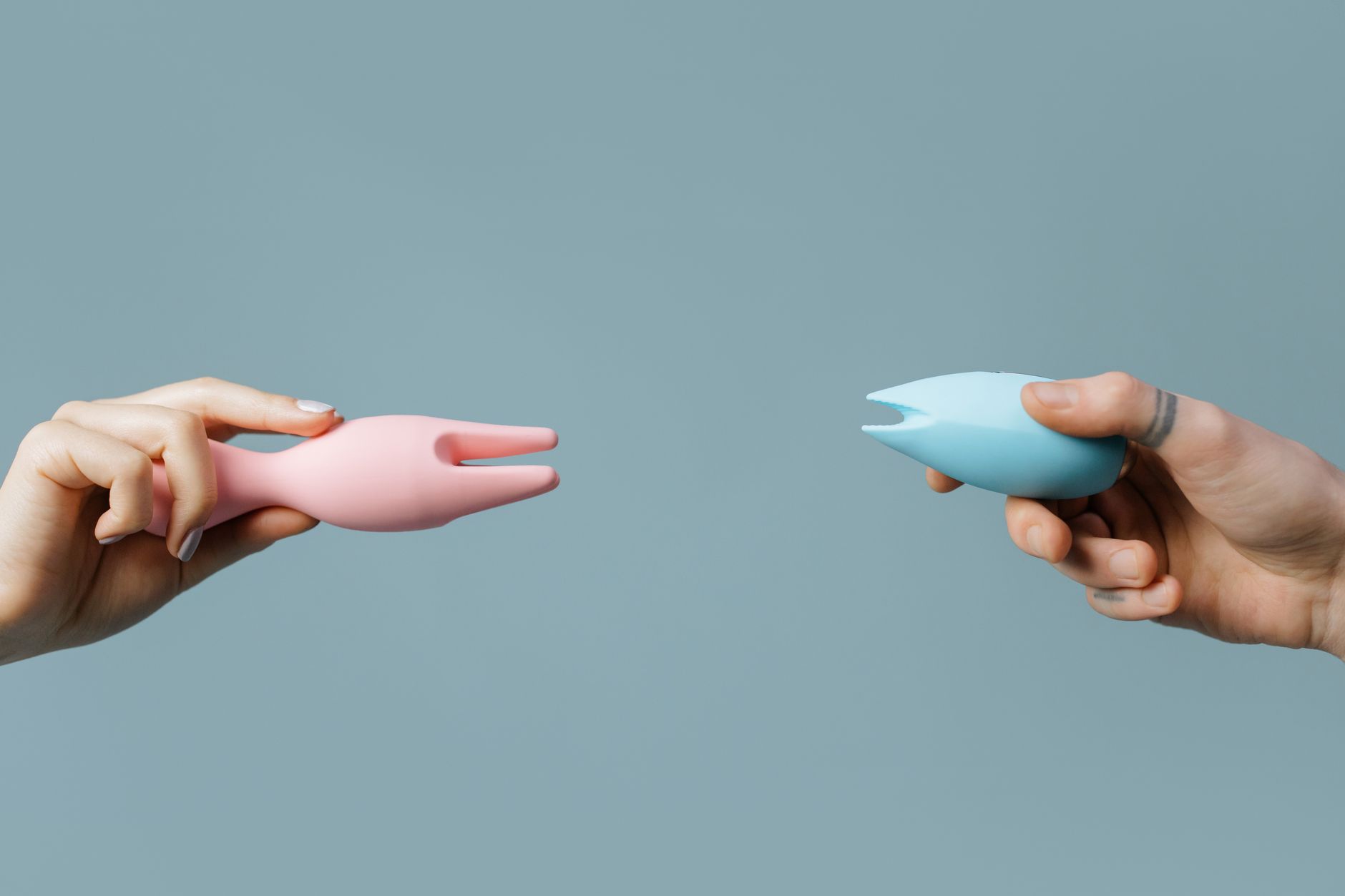
That's where a lemon vibrator makes sense. The Lemon's air-suction technology works differently than traditional vibration. Instead of hammering a small area with high-frequency pulses, it creates a gentle pressure wave that activates a wider nerve network. For someone in recovery with muted sensation, this approach often lands where jackhammer-style devices completely miss.
Why sensation flattens during healing
Three overlapping reasons:
Inflammation and swelling. Post-surgery or post-injury, scar tissue and inflammation create a buffer between the skin and the nerve endings below. It's like touching something through a thick blanket. The signal still gets through, but dimmed.
Protective numbing. Your nervous system literally reduces sensation as a pain-management strategy. This is neurological, not psychological. Your brain is saying "don't give me that much input right now." Overriding it with intense stimulation doesn't work. It just feels like you're touching a numb patch.
Medication and fatigue. Pain meds, antibiotics, and the general metabolic load of healing all dampen nerve firing. You're not lazy. Your whole system is redirecting energy to repair.
The good news is that this resets. As inflammation resolves, scar tissue softens, and your nervous system exits protect mode, sensation gradually returns. But the timeline is nonlinear. Some days are sharper than others. Some weeks you'll feel almost normal, then you'll have a flare and everything flattens again.
How air-suction works with recovering sensation
The Lemon is built on air-suction technology. Instead of vibration, it creates rhythmic pulses of gentle pressure and release. Think of it as someone softly squeezing and releasing your clitoris in a pattern, rather than buzzing at it.
For recovering nerves, this matters because:
It requires less baseline sensation to register. You don't need to feel the individual vibrations. You feel the broader pressure pattern, which your nervous system picks up even when nerves are still somewhat quiet.
It's easier to dose. Most air-suction devices have patterns at multiple intensities. You can start at pattern 1 or 2, which feels like a soft pulse, and work up only as sensation returns. Traditional vibrators are either buzzing or off.
It's less likely to feel numb. When recovering sensation is muted and you use a high-intensity vibrator, the whole experience can feel like touching a numb spot. You press harder, it still feels like nothing, so you press harder again. With air-suction, a gentle pattern on low intensity often lands exactly where you are right now.
During recovery, this difference is not subtle. Many of my clients report that their first experience with a lemon vibrator after surgery was the first time post-op intimacy didn't feel like trying to feel something that wasn't there.
The practical setup for recovery timing
Here's what works for most people rebuilding sensation after surgery or trauma:
Clear with your care team first. If you've had pelvic surgery, vulvovaginal surgery, or trauma care, ask your doctor when external clitoral stimulation is safe. The answer is usually "after the initial healing window," which is typically 4 to 8 weeks. Don't guess on this one.
Start with pattern 1 at 50% intensity. The Lemon has multiple patterns and intensities. Begin with the gentlest setting. Your job is not to orgasm right now. Your job is to send your nervous system the message that sensation is returning. Pressure, without pain, is the goal.
Keep sessions short. Five to ten minutes is plenty. You're not trying to push through numbness or build tolerance. You're practicing light stimulation and then pausing. The pause is where your nervous system processes the signal.
Track what you feel, not whether you come. After each session, write down what you noticed. Was there warmth? A gentle ache? Tingling? A sense of pressure without clear sensation? All of these count as nerve waking up. Orgasm is not the finish line during recovery. Sensation is.
When to use lubricant and when you might not need it
After surgery, your tissue is often more sensitive to friction. Some people find that lube irritates the healing area. Others find that lube makes the Lemon feel better because it glides smoothly without any catch.
If you have vaginal dryness from medication or from the stress of recovery, a small amount of water-based lube helps the Lemon glide without skipping. If your tissue feels tender or raw, skip the lube and let the suction work against skin directly. It's gentler and less likely to irritate.
The Lemon's cup seals against your skin with or without lube, so you're not losing function either way. Experiment gently and track what feels better.
Rebuilding sensation is not linear
Here's the thing no one tells you: some days you'll feel almost like yourself again. Other days, you'll feel nothing. This is normal. Healing has flare-ups. Stress flattens sensation. Fatigue mutes everything. You might have a week of good days, then a week where numbness comes back hard.
When this happens, don't assume you've backslid permanently. You haven't. You're just in a flare. Go back to pattern 1, shorter sessions, and lower expectations. The sensation will return again.
If numbness persists beyond six months post-op, or if it's actually getting worse instead of gradually better, check back with your doctor or a pelvic floor physical therapist. Nerve damage is rare, but it exists. Most of the time, though, the timeline is slow and uneven. That's healing.
The emotional part matters as much as the physical part
Recovery often comes with grief. You're mourning the version of your body that felt things easily. You're frustrated that pleasure requires this much attention now. You might feel broken, or worried that your partner will get impatient.
None of that is weakness. It's normal. And honestly, it's worth naming with your partner or a therapist before you restart sexual contact.
If you have a partner, a conversation that lands is: "I'm building sensation back slowly. That means this is going to feel different for a while. I need you to be patient with my pace, and I need you to know that slowness doesn't mean I'm not present." Then actually go slow. Patience has a shelf life. If you're asking for it, give it back.
When to move to stronger patterns
Once you've been doing pattern 1 for a week or two and sensation is gradually returning, you can experiment with pattern 2 or move intensity to 75%. The rule is: increase one variable at a time. If you jump from pattern 1 to pattern 5 because you're impatient, you risk overwhelming recovering nerves and flattening sensation again.
Ask yourself:
Do I feel the pressure pattern clearly, or is it still muffled? If it's clear, you can try the next pattern.
Do I want more sensation, or am I just trying harder because I'm not there yet? If it's the latter, wait.
Does my tissue feel okay, or is there any soreness afterward? If there's soreness beyond a gentle ache, you went too hard. Back it down.
During recovery, you're not pushing through to climax. You're waking up your nervous system. There's a big difference.
FAQ: Rebuilding Sensation After Recovery
How long does it usually take for sensation to come back after surgery?
It depends on the type of surgery and how extensive it was. Most external healing happens in 4 to 8 weeks, but nerve sensitivity can take months to fully normalize. Some people notice a huge shift around the 3-month mark. Others don't feel like themselves again until 6 months or a year. The timeline varies wildly. The worst thing you can do is compare your healing to someone else's.
Is it okay to use a lemon vibrator if I'm still in pain?
Not yet. Pain is information. If you're having pain during or after touch, you're not ready. Wait until you can touch the area gently without pain, and then start with very gentle patterns at the lowest intensity. If pain returns when you use the Lemon, stop and check with your doctor. Pain during recovery healing usually means inflammation, scar tissue pulling, or a complication that needs attention.
Can I use a lemon vibrator for trauma recovery, or just surgery?
Both. Trauma survivors and people in trauma recovery often experience a numbing of sensation as a protective response. The gentle, gradual approach to rebuilding sensation with a lemon vibrator works for both surgical recovery and trauma healing. With trauma, though, it's worth working with a therapist or counselor alongside exploring sensation. Trauma and pleasure are interconnected, and rebuilding them needs support on both sides.
What if I still feel nothing even with the gentlest pattern?
Wait longer. Sensation takes time. If you've been at it for 4 to 6 weeks post-op and there's still zero feeling, mention it to your doctor. There's a small chance you have a nerve issue that needs attention. Much more likely, you just need to wait longer and be even gentler. Also try a different Lemon clitoral vibrator pattern. Some patterns unlock sensation when others don't.
Should I orgasm during recovery, or just rebuild sensation first?
Rebuild sensation first. Orgasm is not the goal during recovery. When you focus on coming, you tense up, you push harder, and you override your nervous system's signals about what it actually needs. What most people find is that orgasms come naturally once sensation returns. You don't have to chase them. Let pleasure build at its own pace.
Can I use a lemon vibrator with a partner during recovery?
Absolutely. Having a partner present can make it feel less lonely. The rule is: go at your pace, not theirs. If your partner is present, they should be supporting your recovery timeline, not pushing you faster. A good guideline for partners is: ask what you can do to help, then listen to the answer. Sometimes that's just being there. Sometimes it's giving you privacy. Always it's respecting the pace you need.
Closing: Sensation is worth the wait
Recovery changes your body. That's real. But it doesn't have to be permanent darkness. Sensation comes back. It comes back slowly, unevenly, and sometimes in ways you didn't expect. But it comes back.
Usingtools like a lemon vibrator during recovery gives your nervous system a gentle way to wake up again. You're not forcing pleasure. You're giving your body permission to remember how to feel.
If you're at the beginning of this journey, be patient with yourself. If you're in the middle and frustrated, know that what you're feeling is completely normal. If you're further along and sensation is returning, lean into it.
Your pleasure matters, even during recovery. Especially during recovery.
Need guidance on rebuilding intimacy with a partner while you heal? Reach out to our team for personalized support.