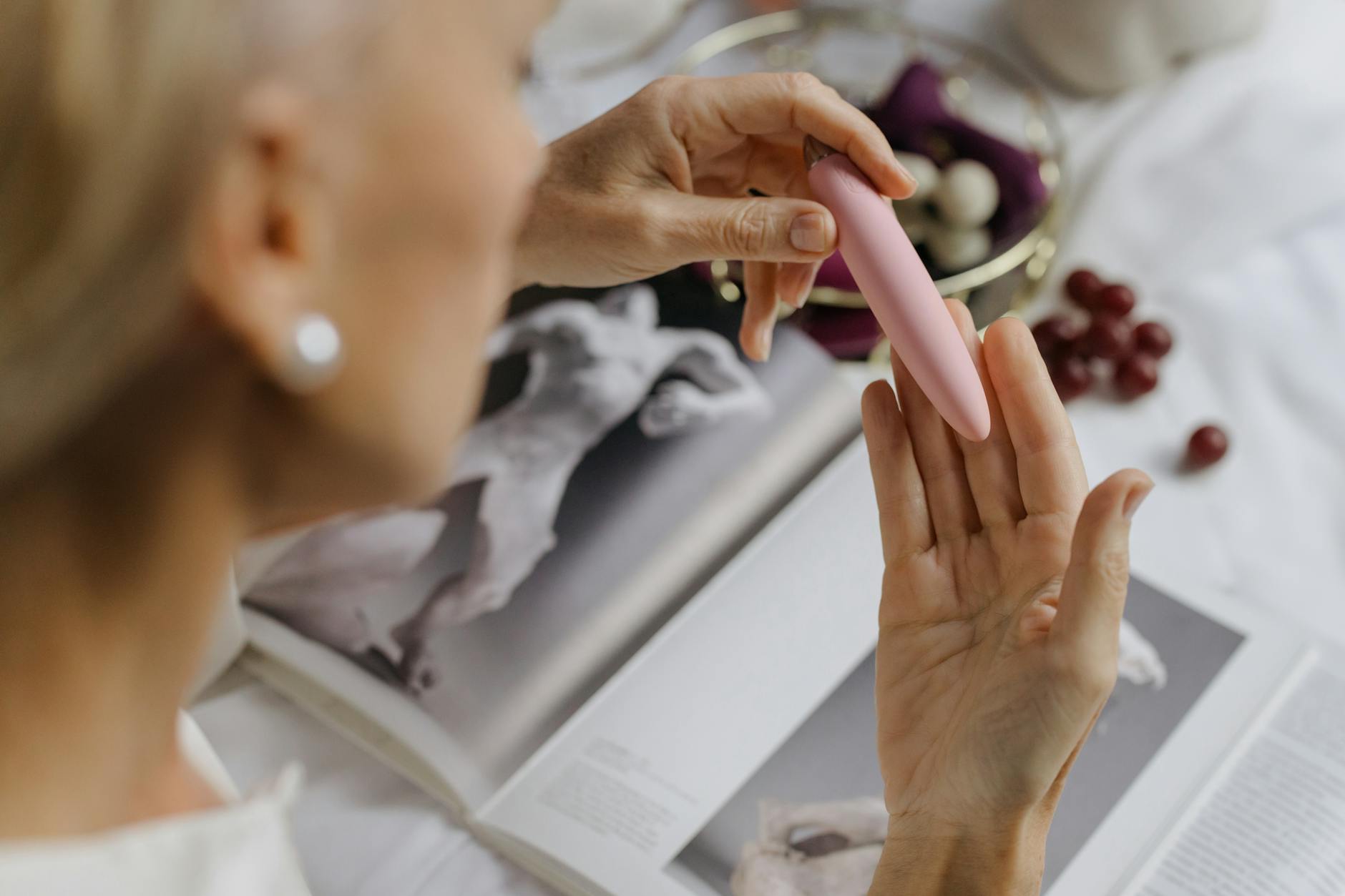
How to Use a Lemon Vibrator When Rebuilding Desire After Relationship Disconnect
Let's be real. When you've been emotionally distant from your partner for months or years, desire doesn't just snap back because you decide it should. The body remembers the silence more than it remembers the touch. And trying to force interest before you've actually reconnected to your own pleasure? That's a dead-end road.
Here's what I've learned working with couples in this exact position. Using a lemon clitoral vibrator isn't cheating on the reconnection process. It's the thing that makes reconnection possible. Because before you can want your partner again, you have to want something again. And that usually starts with you.
Why desire vanishes after emotional distance
Emotional disconnection kills arousal faster than anything else. Not because your body is broken. Because your nervous system has learned that this person feels unsafe, or distant, or triggering. Your libido hasn't gone anywhere. It's just protecting you.
This is why the typical advice "just have more sex" backfires so spectacularly. Sex without emotional safety feels like an obligation you're already failing at. The pressure makes everything worse.
What actually needs to happen first is this: you need to remember that your body can feel good independently. That pleasure is something you're capable of. Not something you have to perform for someone else.
Start with solo exploration, no performance pressure
If you've been in emotional distance for a long time, you might be shocked at how numb your clitoris feels. That's not permanent. It's a protective response. The sensitivity comes back with attention.
Take a lemon vibrator (the Lemon Clitoral Vibrator works particularly well for this because the suction sensation reconnects you to sensation without the intensity that can feel overwhelming). Set aside 20 to 30 minutes alone. No partner, no guilt, no goal of climax.
Start at the lowest setting. Bring the vibrator close to your clitoris without necessarily touching directly. You're reintroducing yourself to sensation. That's it. You're not performing. You're not trying to feel something you don't. You're just gathering information about what your body is capable of.
Many people find that after weeks of solo reconnection, arousal returns on its own. Not because you white-knuckled your way to desire. But because your nervous system started trusting that pleasure was possible without threat.
The reconnection conversation with your partner
Emotional distance didn't happen in a vacuum. And it won't resolve in a vacuum either. At some point, you need to tell your partner what you're doing and why.
This conversation is delicate. Phrasing matters. "I'm using a vibrator because I need to feel good again" lands completely differently than "I'm using a vibrator because you're not enough." The first is about rebuilding yourself. The second is an attack.
Try something like this: "I've realized I've lost touch with my own pleasure. I'm taking some time to reconnect to my body independently. This isn't about you being insufficient. It's about me rebuilding something I need to feel whole again. I want us to come back together, but I need to start here."
If your partner responds with shame or control ("you shouldn't need that," "that's cheating"), that's information. That emotional distance you've been feeling? It might be rooted in something deeper than you thought. You might benefit from couples therapy before moving forward.
Moving from solo to partnered
Once you've spent a few weeks reconnecting to your own pleasure, something shifts. Your body starts believing that good feeling is possible. Your nervous system settles. Desire often follows naturally.
Then comes the part that terrifies people: bringing the vibrator into the bedroom with your partner.
The script is simple. "I'd like to explore this together. I'm going to use the vibrator. You can watch, or we can figure out how you want to be involved, but I need you to know this isn't about inadequacy. It's about me deepening my own pleasure." Then you hand them the power.
Your partner might want to use the lemon vibrator on you. They might want to focus on other parts of your body while you use it. They might want to be inside you while you're using it. The shape of reconnection looks different for every couple.
What matters is that you're not hiding the tool. You're inviting them into your pleasure rather than making them feel replaced by it.
The importance of slowing down
After emotional distance, rushing back into sex often recreates the same disconnection you just spent weeks repairing. One partner feels urgency. The other feels pressure. Resentment follows.
Use the vibrator as a permission slip to slow down. Extended foreplay becomes a way of life. The vibrator is never the main event in the first few weeks of reconnection. It's a tool within a longer, slower process of relearning each other's bodies.
This might look like 45 minutes of touching, kissing, and talking before any vibrator enters the picture. That's not wasting time. That's rebuilding the nervous system trust that was damaged.
When one person reconnects faster than the other
Here's the complicated part. Sometimes after emotional distance, one partner reconnects to desire quickly and the other is still in the forest of numbness. A lemon vibrator can't fix mismatched timing.
What it can do is give you a bridge. The faster-reconnecting partner can use it on the slower-reconnecting partner without requiring that person to perform arousal they don't feel yet. It takes pressure off. It gives time for the slower partner's nervous system to gradually trust safety again.
If your partner is using a clitoral vibrator on you while you're still numb, the goal isn't orgasm. It's sensation. Information. Gradually, the sensation pathway reactivates. Desire follows weeks or months later.
Practical steps for the first time
One. Find privacy and time when you're not rushed.
Two. Remove performance expectations completely. This is exploration, not an exam.
Three. Start with the vibrator on a low setting, focused on areas that feel safe.
Four. If numbness dominates, that's normal and temporary. Keep showing up.
Five. Notice what feels different day to day. Small shifts in sensation are progress.
Six. After solo reconnection (at least two weeks), introduce your partner gradually into the process.
Seven. Use the vibrator as a conversation tool. "This feels good" becomes "we can talk about pleasure again."
Why this matters more than you think
Emotional disconnection doesn't just hurt your sex life. It rewires your ability to trust your own body as a source of pleasure. Reconnecting to a lemon vibrator sounds like a small thing. But what you're actually doing is telling your nervous system: "I'm safe. My body matters. Pleasure is possible again."
Once your nervous system believes that, reconnection with your partner becomes actually possible. Not because you white-knuckled your way into compliance. But because you genuinely want to again.
People also ask
How long does it typically take to reconnect desire after emotional distance?
There's no universal timeline. Emotional distance that lasted six months might take three months to repair. Years of disconnection might take much longer. What matters is consistency, not speed. Show up for yourself with the vibrator regularly, and your body will gradually respond. Some people feel shifts in sensation within two weeks. Others take two months. Both are normal.
Is using a vibrator alone a sign the relationship is over?
Absolutely not. If anything, it's a sign you're taking responsibility for your own healing rather than waiting for your partner to fix you. Some of the strongest couples I work with integrate vibrators into their reconnection process. It's a tool, not a replacement.
Should I tell my partner I'm using a lemon vibrator, or keep it private?
If this is temporary solo reconnection work, you don't owe your partner a play-by-play. But if you're planning to eventually integrate it into partnered sex, honesty is essential. Secrecy recreates the emotional distance you're trying to repair. Transparency, even about uncomfortable things, builds trust.
What if my partner feels threatened by the vibrator?
That's worth exploring in couples therapy. A vibrator isn't a threat to a secure partner. If your partner feels threatened, the issue is usually deeper than the vibrator. Maybe it's about control, or insecurity, or unresolved resentment from the disconnection period. Those conversations need to happen with a professional.
Can a clitoral vibrator actually restore desire that's been gone for years?
A vibrator can't manufacture desire from nothing, but it can reactivate the neural pathways that carry pleasure. Once your body remembers what good sensation feels like, emotional desire often follows. Think of it as priming the pump. The water (your capacity for pleasure) is still there. The vibrator is just helping you access it again.
How do I know if we're ready to use the vibrator together?
When solo reconnection feels consistent and you're noticing sensation changes, you're likely ready. The deeper signal is this: can you talk about your pleasure without shame? If you can have an honest conversation about the vibrator with your partner, you're ready to use it together. If the conversation itself feels impossible, you might need a couples therapist as a bridge first.