Here's the thing nobody says out loud
Your partner comes faster than you do. And instead of that being something you solve together, it's become this quiet shame spiral where neither of you mentions it, but it's always there. One of you finishes, rolls over, and the other person is left hanging. Sound familiar?
This is one of the most common scenarios I see in couples work, and it's also one of the easiest to fix. Not by shaming your partner or turning it into a medical crisis, but by introducing a tool that lets you stay in the moment together while getting your own pleasure on your own timeline. A lemon vibrator, specifically. It's not a workaround. It's an upgrade.
Why this matters more than you think
When stamina mismatches go unaddressed, they quietly erode intimacy. Your partner starts to feel like they're failing. You start to feel resentful or unseen. Sex becomes transactional instead of connected. The fix, though, is absurdly simple: you give yourself permission to get off separately while staying together.
Research on partnered sexuality shows that couples who integrate toys don't have worse sex. They have more sex, longer sex, and higher satisfaction rates. The reason is simple. Pressure drops. When your partner doesn't have to carry 100% of the responsibility for your pleasure, sex stops being a performance and starts being fun again.
The conversation that makes everything work
Before you bring a lemon vibrator into the picture, you need exactly one conversation. Not a "we have a problem" conversation. A "let's try something" conversation.
Here's the frame that actually works: "I want us to both finish satisfied. That means sometimes I want to use a vibrator while we're together. Not instead of you, with you. Does that feel okay?"
Notice what you're not doing. You're not saying "you come too fast." You're not making it about his body or performance. You're saying "I want more for us," which is true and which shifts the whole energy.
Most partners say yes immediately. Some need a beat to think about it. A few worry it means they're not enough. If that comes up, be direct: "You're not not enough. I just want to feel that good too, and my body works differently than yours. That's not a failure. It's just different."
How to actually integrate it during sex
Timing matters more than you'd think. There are three windows where a lemon vibrator works best.
Option 1: Before penetration. Use the vibrator for a solid 10-15 minutes beforehand. Get yourself to about 75% of the way there. Then when your partner enters, you're already primed, and you can use the vibrator simultaneously. This keeps you in the same arousal arc and makes the experience feel integrated rather than patched on.
Option 2: During penetration. Here's where the lemon vibrator really shines. Position it against your clitoris at the same time your partner is inside you. The clitoral suction sensation combined with penetration creates a totally different neural experience than either one alone. Many people find their most intense orgasms happen in this setup. The trick is finding the angle that works. Your partner might need to angle slightly differently than they usually do, or you might shift your hips. That's not a bad sign. That's you two figuring it out together.
Option 3: After your partner finishes. If he's spent, you're not obligated to follow him into the cool-down. Stay in bed, ask him to touch your arm or hold you while you finish yourself. You're both present. You're both engaged. The sex doesn't end when one person comes. It ends when you're both done.
Why the lemon vibrator specifically works here
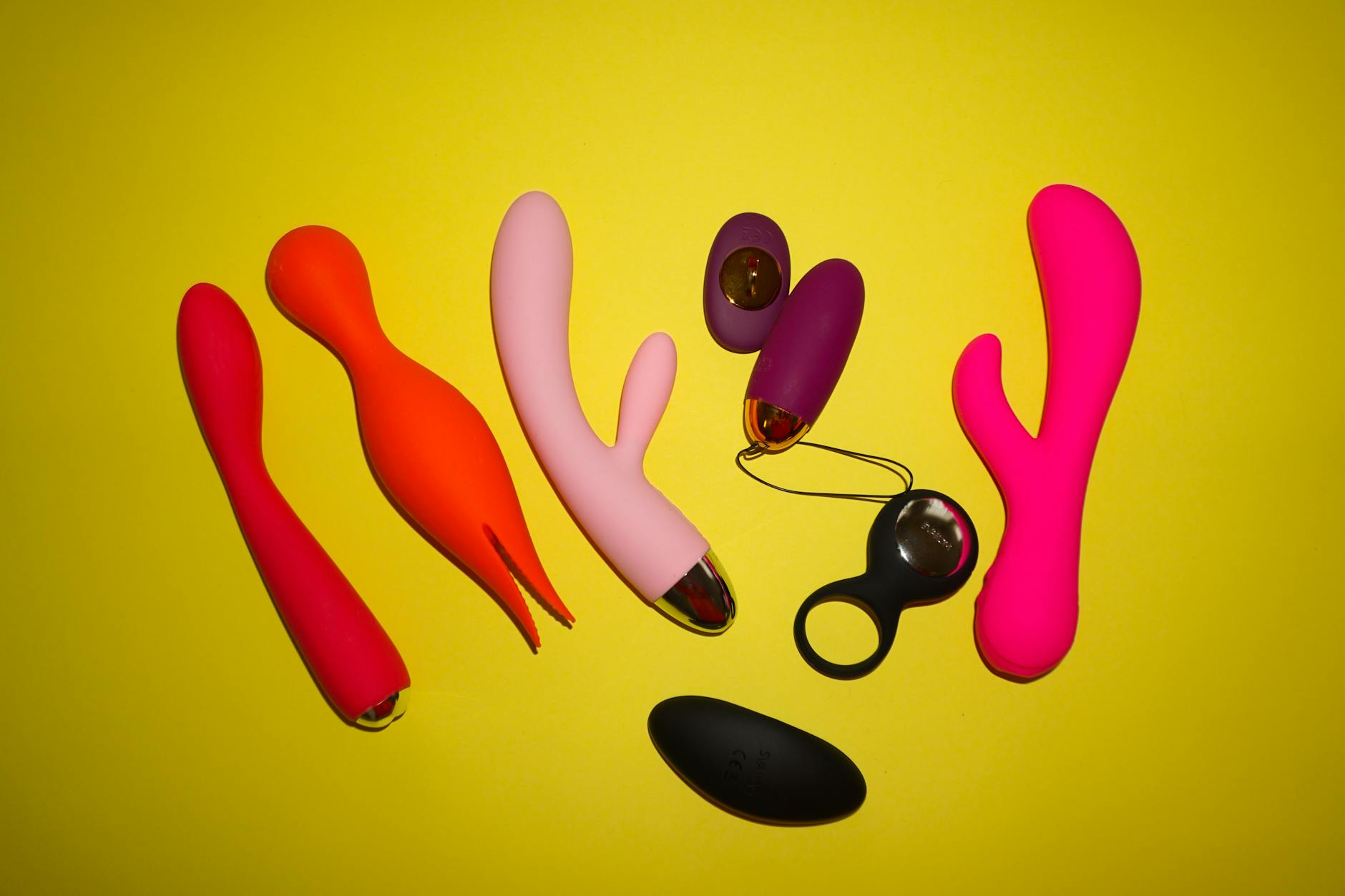
Clitoral suction vibrators like the lemon design work differently than traditional bullet vibrators. They use pulsing suction rather than direct vibration, which means less numbing and more dynamic sensation. For couples scenarios, that matters because the sensation stays interesting through a longer session.
The shape is also forgiving. You can angle it easily during penetration without it getting in the way. And the intensity levels let you start low (which feels good alongside your partner) and ramp up exactly when you need it (like when you're approaching the finish).
If you're new to using a clitoral vibrator with a partner, start on pattern 1 or 2 and work up. Many people assume they need maximum intensity right away. You don't. The lower patterns actually feel better inside partnered sex because they don't distract from the connection you're already making.
The logistics nobody talks about
A few practical things that will save you awkwardness.
First, keep the vibrator within arm's reach before you start. Not on the nightstand five feet away. On the bed. Or have your partner hand it to you when you're ready. Fumbling around looking for it kills the moment.
Second, water-based lubricant is your friend. Not because anything's wrong with you, but because the vibrator works better with a little glide, and it also helps penetration feel better if your arousal is focused on clitoral sensation.
Third, communicate in the moment. If something doesn't feel good, say so. If a position isn't working, shift. This isn't a fixed script. It's a conversation that happens with your bodies instead of your words.
What changes about intimacy when you do this
Here's what couples tell me happens when they finally integrate a vibrator instead of struggling in silence.
Sex gets longer. Not because anybody's forcing it, but because once the pressure's off (literally, once your partner knows you'll get there), everyone relaxes. You take your time. You actually enjoy the buildup instead of racing toward the finish line.
You talk more during sex. "Does this feel good?" "What if we try..." "I like this better." Suddenly you're collaborating instead of performing.
You feel more connected to your partner, not less. Because they're actively engaged in helping you feel good instead of pretending the mismatch doesn't exist.
And here's the thing that surprises people: your partner often feels more satisfied too. Because instead of guilt and awkwardness, there's this clear energy of "we're both getting what we need, and we're doing it together."
When to check in if things aren't working
Sometimes you'll set this up, and it just doesn't click right away. That's normal. Your body might need a few tries to relax into the new sensation. Or the angle might need adjusting. Or maybe you were both nervous the first time.
If it's still not working after three or four attempts, check in about what's off. Is it physical (the angle, the sensation, the timing)? Or is it emotional (lingering shame about using toys, worry about what it means about the relationship)? Different problems need different solutions.
You might also discover that you prefer a different clitoral vibrator. Some people love the lemon design, others prefer a different shape or intensity profile. That's fine. The point isn't the specific tool. The point is giving yourself permission to finish.
The bigger picture
Using a lemon vibrator when your partner struggles with stamina isn't a patch on a broken system. It's you deciding that your pleasure matters as much as theirs. It's your partner deciding that your satisfaction is worth the slight shift in how sex looks.
That's actually the whole foundation of good partnered sex. Both people believing the other person deserves to feel good, and being willing to figure out how.
People also ask
Will using a vibrator make my partner feel emasculated?
Most likely no, but maybe. If he does feel that way, it's rarely about the vibrator itself. It's usually about internalized stuff around what "real" sex is supposed to look like. Have a conversation. Tell him you're attracted to him, that penetration feels good, and that your body just needs a little extra clitoral stimulation to finish. You're not replacing him. You're completing yourself. Once he understands that sex isn't a pass-fail test he has to ace alone, that feeling usually shifts.
Should I use the vibrator the whole time or just at the end?
It depends on what feels good. Some people use it throughout. Some people use it only when they're close. Some people want their partner inside them while they finish with the vibrator. There's no right answer. Try different approaches and notice what actually feels best instead of what you think you should prefer.
Can I use a lemon vibrator if I have a sensitive clitoris?
Yes, but start on the lowest intensity settings. The pulsing suction of a lemon vibrator is generally less intense than direct vibration, which actually makes it better for sensitivity. Keep lubricant on hand and pay attention to what your body's telling you.
What if my partner wants to use the vibrator on me instead of me using it myself?
That can work beautifully if you both like it. Some people prefer having their partner in control. Others prefer controlling their own sensation. It's not either-or. You can trade off.
How do I bring this up without making him feel like I'm criticizing his stamina?
Frame it as something you want, not something he's failing at. "I want us to both finish satisfied. Let's try using a vibrator together" is totally different from "You come too fast and it's a problem." One is collaborative. One is blame. Be the first one.
Is it normal to prefer the vibrator to partnered sex?
Some people do prefer solo sex with a vibrator to partnered sex, and that's information worth sitting with. But usually, when couples integrate a lemon vibrator successfully, people end up liking both more. The vibrator doesn't replace your partner. It completes the experience.
Next steps
If stamina mismatch has been quietly eroding your sex life, you don't need a therapist. You need a conversation and a tool. Have the conversation first. Then get yourself a lemon vibrator and actually use it. The pleasure you're missing isn't your partner's responsibility. It's yours. You deserve to finish every single time.
Ready to talk through what you're experiencing? Reach out to us. We're here for the conversations that actually matter.