Let's name the thing nobody wants to say out loud
Your partner doesn't want sex as much as you do. Maybe they used to. Maybe it's always been this way. Either way, you're here because the mismatch is real, it's frustrating, and you're trying to figure out how to meet your own needs without turning it into a fight.
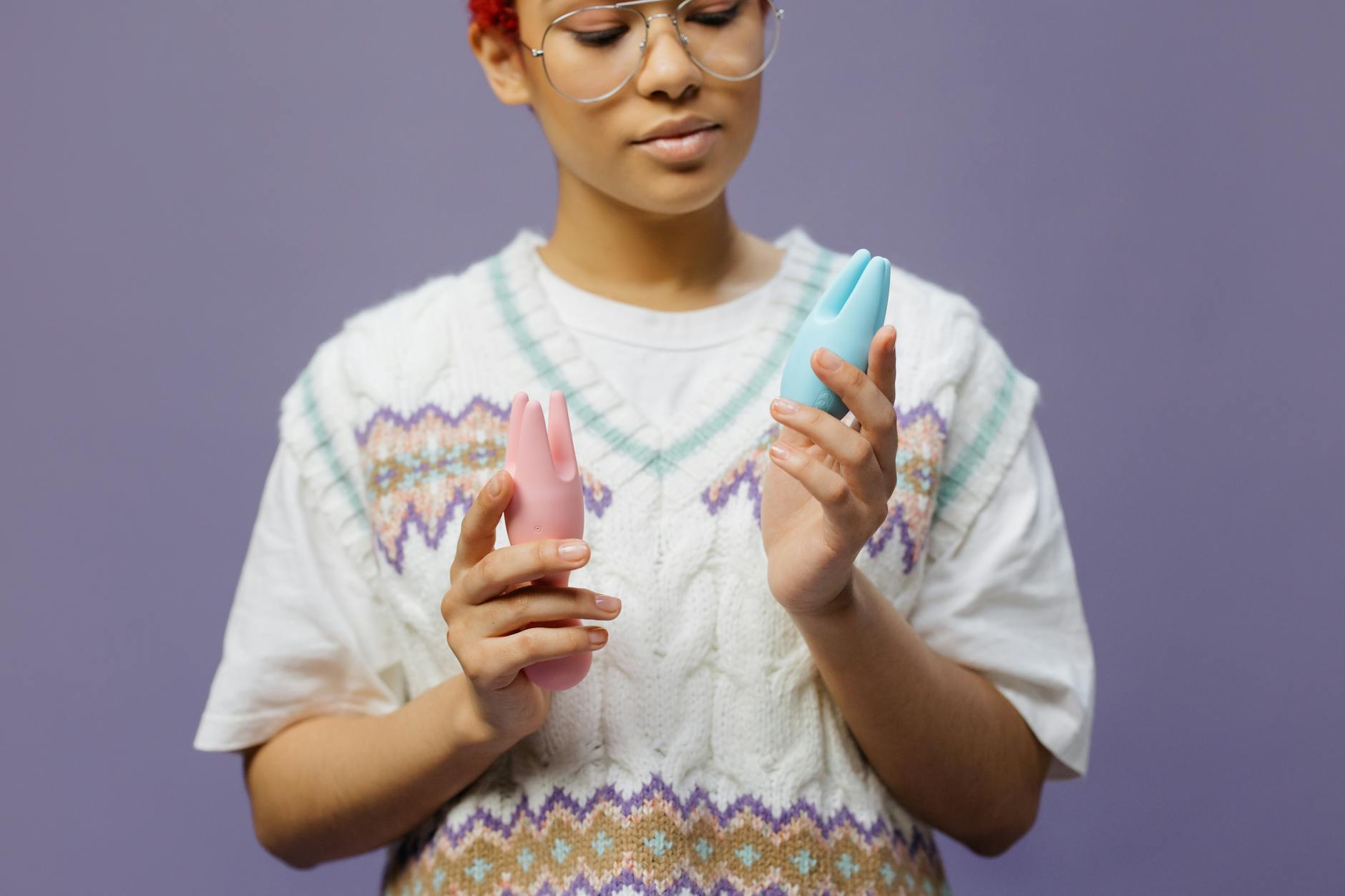
Here's what I've seen work: stop treating your libido as something your partner should fix. A lemon clitoral vibrator isn't a workaround or a substitute. It's a tool that lets you take care of yourself while the rest of the relationship stays intact.
Why libido mismatches happen (and why it's not about attraction)
This is the critical part that gets confused in every conversation I have with couples. When someone has low libido, the first thing their partner thinks is, "They don't want me." That's almost never true. Libido is shaped by exhaustion, stress, medication, hormonal shifts, past trauma, depression, boredom in the relationship, or just a naturally lower baseline of sexual interest. None of those things equal "I don't love you" or "You're not attractive."
I've worked with couples where one partner was dealing with undiagnosed ADHD, and their low libido wasn't low desire at all. It was executive dysfunction. Their brain couldn't initiate. Once they got treatment, everything shifted.
Other times, it's simpler. One partner is working two jobs and genuinely exhausted. Another is on an antidepressant that flattened their sexual response. Another came from a strict religious background and never fully untangled sex from shame.
The point is this: your partner's low libido is not a referendum on you or your relationship. It's information. And information you can work with.
The conversation you need to have before you buy anything
Here's where most couples get it wrong. They don't talk about this. One partner just quietly starts using a vibrator, and the other one finds it and feels rejected or replaced. Resentment happens silently.
Instead, have the conversation first. Not during sex. Not when someone's frustrated. A separate, calm conversation where you say something like this:
"I've noticed our libidos don't match right now. That's not your fault, and I'm not trying to make you feel bad. But I have sexual needs, and I don't want to spend the next five years pretending I don't or blaming you for not meeting them. I'm thinking about using a vibrator for myself, so I can take care of that need independently. I wanted to tell you before I did it, because I value you knowing what's happening in my body and my pleasure."
That's it. You're not asking permission. You're not asking them to participate. You're informing them of a boundary you're setting around your own wellbeing.
Some partners will be relieved. Some will feel insecure at first. If they do, that insecurity is something they need to work on, not something you need to manage by staying sexually frustrated.
How using a lemon vibrator actually shifts the dynamic
Here's what happens when you start taking your pleasure seriously. The resentment starts to lift. You're not waiting for your partner to meet a need they can't meet right now. You're not building a silent case against them. You're not equating their low libido with rejection of you as a person.
And your partner? They get to feel less pressure. Low libido often gets worse when someone feels guilty or pressured. It's a vicious cycle. The moment you take that off the table, something softens.
I had one client tell me: "The first time I used a vibrator while my partner was in the house, I expected him to feel threatened. Instead, he said it was the first time in months he felt like I wasn't angry at him." That shift changed everything in their relationship, not just their sex life.
When you're using a lemon clitoral vibrator regularly and managing your own sexual satisfaction, you show up differently in the relationship. You're less resentful. You're more patient. You're not performing desire or withholding it. You're just... present.
Practical steps for introducing this into your life and relationship
Step one: Get clear on what you want from your own pleasure. Are you using this on your own, or potentially with your partner present or involved? There's no wrong answer, but you need to know before you buy anything. A lemon vibrator is incredibly versatile, but your intention shapes how you use it.
Step two: Pick something that works for your body and your aesthetic. The Get Lemon Toys line is designed for people who actually use them. If a design makes you feel good when you look at it, you're more likely to use it. That matters more than you'd think.
Step three: Set a time and place that feels sustainable. Not every night. Maybe three times a week, or whenever you have 20 minutes alone. Consistency matters more than frequency. Your nervous system gets used to the rhythm, and pleasure becomes easier to access.
Step four: If you want your partner involved, invite them in carefully. You could say, "I'd like you to be here while I use this," or "Would you be interested in helping me explore what feels good?" Some partners will be genuinely curious. Others will need time. Both are fine.

Photo by FounderTips on Pexels
What to do when your partner gets insecure about it
Some partners will respond with anxiety or hurt. "Does that mean I'm not enough?" "Are you losing interest in me?" "Do you not want to have sex with me anymore?"
Here's what you say: "This isn't about you. My body has needs. You can't meet all of them right now, and that's okay. That doesn't mean I don't want you or that our sexual life together doesn't matter."
You might also say: "I'm actually doing this so I stop being resentful toward you. I want us to have sex because we both want it, not because you feel obligated." That's true, and it's disarming.
If the insecurity runs deep, that's worth exploring in couples therapy. But it's not your responsibility to stay sexually frustrated to manage their emotions. You're allowed to meet your own needs.
When libido differences signal something bigger
Sometimes low libido is just low libido. Sometimes it's a symptom of something else in the relationship that needs attention. Stonewalling. Criticism. Feeling unheard. Resentment that's calcified into coldness.
If you notice that your partner withdraws from you in other ways too, or if there's contempt underneath the low libido, that's worth examining with a therapist. A vibrator won't fix that. But it can buy you the space and grace to figure it out without adding sexual frustration on top of everything else.
I've also seen couples where the low libido partner actually reconnects to desire once the pressure is off. When they don't feel guilty or inadequate, when sex isn't weaponized or resentment-soaked, something shifts. Not always, but sometimes.
The bigger picture: you deserve to feel good
Here's what I want you to take away from this. Your pleasure is not selfish. It's not a betrayal of your partner. It's not proof that your relationship is failing. It's you taking care of yourself.
When you use a lemon clitoral vibrator, you're not replacing your partner. You're supplementing a need they can't meet right now. And that's what mature, honest relationships look like. They're not about one person meeting 100 percent of another person's needs. They're about partners who know themselves, communicate clearly, and make space for each other to be fully human.
Your partner's low libido is real. Your needs are also real. Both can coexist.
People also ask
Can using a vibrator make my partner feel less needed?
It might initially, but usually that's about their own insecurity, not your vibrator. What actually makes partners feel less needed is the silent resentment and disconnection that builds when one person's sexual needs go unmet. Using a vibrator keeps that from happening. You're protecting the relationship, not threatening it.
Should I hide my vibrator from my partner?
No. Secrecy creates more distance. If you're going to use one, be honest about it. It's harder in the moment, but it prevents the shame and shock that comes when someone finds it hidden. Honesty, even uncomfortable honesty, builds trust.
What if my partner asks me to stop using a vibrator?
That's a boundary conversation. Your body is yours. You're allowed to meet your own sexual needs. If your partner is asking you to stay sexually frustrated to manage their insecurity, that's a problem worth addressing with a therapist. You can be compassionate and still stand firm.
Does using a vibrator mean our relationship is broken?
No. Relationships where people take care of their own needs are actually more stable than relationships where one person sacrifices endlessly. The resentment that builds in mismatched desire is what breaks relationships. Self-care, including sexual self-care, protects them.
How do I bring up wanting to use a lemon vibrator with my partner?
Do it outside the bedroom. Keep it simple and non-accusatory. "I've been thinking about using a vibrator to take care of my own sexual needs. I wanted to talk to you about it because I value being honest with you." Then listen to what comes up. You're not asking for permission, but you are inviting them into the truth of your experience.
Can we use a vibrator together even if my partner has low libido?
Sometimes. Lower libido doesn't mean no libido. Some partners are more interested in partnered sex that includes toys than sex without them. Experiment and see. But don't expect a vibrator to solve the mismatch. It can enhance what's already there, but it won't create desire where none exists.
What comes next
Libido mismatches are one of the hardest things couples navigate, because they touch on desire, attraction, rejection, and identity all at once. But they're also fixable, if both partners are willing to be honest.
Using a lemon vibrator is part of that honesty. It's you saying, "I matter. My pleasure matters. And I'm going to take care of myself." That's not selfish. That's the foundation of a relationship that actually works.
If you need support navigating this conversation with your partner, or if there's more going on underneath the libido mismatch, reach out. That's what I'm here for.
Your pleasure matters. And so does your relationship. You don't have to choose.