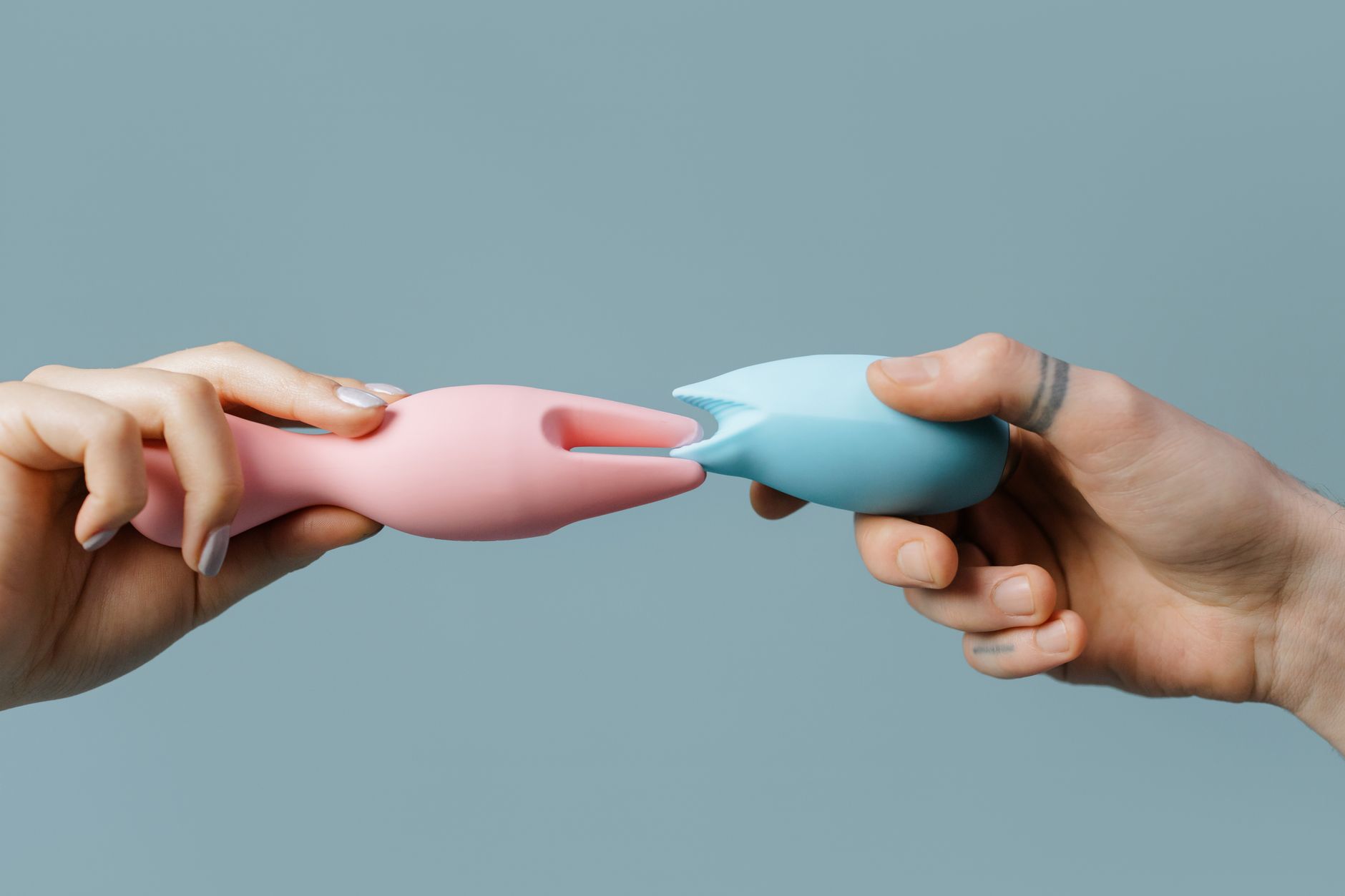
Here's the thing about clitoral pain
Clitoral tenderness or pain during sex isn't rare. It's also not a life sentence. But most people spend months assuming they're alone in this or that their body is punishing them for wanting pleasure. Neither is true.
Clitoral pain can show up as sharp sensitivity during touch, a dull ache after arousal, rawness from friction, or a burning sensation that makes direct contact feel impossible. The causes vary wildly. Sometimes it's physical. Sometimes it's psychological. Often it's both tangled together. The good news: lemon clitoral vibrators, when used thoughtfully, can actually help you rebuild sensation without the pain.
What actually causes clitoral tenderness
Let's separate the main culprits. Friction-related pain usually happens from direct stroking or too much aggressive touch without enough lubrication. This is the easiest to solve. Inflammation or infection (like recurring yeast or bacterial issues) creates a different kind of pain. Hormone shifts from birth control, menopause, or stress can thin tissue and make the area hypersensitive. Nerve irritation from tight clothing, repeated friction, or certain fabrics can also trigger ongoing tenderness.
Then there's psychological overlay. If you've had painful sex before, your nervous system learns to guard. Your pelvic floor tightens preemptively. Blood flow reduces. Touch that should feel good now registers as threat. This isn't psychosomatic fantasy. It's a real physiological response.
The suction technology in lemon vibrators works differently than traditional vibrators because it doesn't rely on direct friction. Instead of stroking across sensitive tissue, suction creates a gentle vacuum that stimulates nerve endings through indirect pressure. This distinction matters enormously when you're dealing with tenderness.
Why suction feels different when you're tender
Direct vibration against already-sensitive tissue often amplifies pain. It's like pressing on a bruise. Suction, by contrast, distributes stimulation more widely and doesn't require the clitoris to be continuously rubbed or struck.
Think of it this way. Traditional vibrators work through rapid, repetitive contact. Lemon adult toys like the clitoral lemon sucker create a gentle pulling sensation instead. If your clitoris is inflamed or hypersensitive, that pulling can feel soothing rather than aggravating.
You're also not applying weight or pressure directly onto the tissue. The suction cup sits over the area, creating stimulation from the whole surrounding zone rather than a single point. This distributes sensation more evenly and gives you far more control over intensity.
Medical first: rule out actual infection or inflammation
If your clitoral pain is sharp, burning, or accompanied by discharge, swelling, or itching, see a doctor first. Vulvodynia, lichen sclerosus, dermatitis, or recurrent infections need diagnosis before you introduce any vibrator. Using a toy on actively inflamed or infected tissue will only make it worse.
Once you've ruled out infection and your gynecologist confirms the tenderness isn't a symptom of something requiring treatment, you can move forward with rebuilding pleasure. This conversation matters. Your doctor might recommend topical treatments, anti-inflammatories, or referral to a pelvic floor specialist before you restart any sexual activity.
How to reintroduce lemon vibrators without aggravating pain
Start with zero pressure. Literally. Place the lem vibrator against your vulva without turning it on. Let your nervous system recognize it as safe. Spend a few minutes with it off, moving it gently across your outer labia, getting used to the sensation and the weight of it.
When you turn it on, begin at the lowest setting. Pattern 1 on most lemon sexual toys is gentle enough that you're barely feeling suction. It's more of a hum than a pull. Spend five minutes at this level. If there's no pain, no increased tenderness, and you're feeling curious rather than guarded, you can move up.
Self-touch matters here. Because your pelvic floor is likely holding tension, try doing quick Kegels during stimulation. Squeeze for two seconds, release completely. This teaches your nervous system that stimulation doesn't equal pain. You're literally retraining the reflex.
Clitoral pain often improves faster once you stop white-knuckling through it. Permission to stop, rest, and restart is part of healing.
Lubrication becomes non-negotiable
Water-based lubricant stops being optional once you're dealing with tenderness. It reduces friction between the toy and your skin, which is the exact mechanism that's probably contributing to pain in the first place. Use enough that you see it glisten. More is better here.
If regular water-based lube irritates you, try a hypoallergenic option or one designed for sensitive skin. Some people find that coconut oil works (though it won't work with silicone toys). The point is to eliminate friction without adding irritants.
Reapply lube frequently. Every few minutes during a session. This isn't about sloppiness. It's about actively reducing the mechanical irritation that's feeding your pain cycle.
Positioning and angle matter more than intensity
How you position yourself changes which part of the clitoris gets stimulated. If direct-on-top feels painful, try positioning the lemon clitoral vibrator from the side, or at a slight angle. Some people find that stimulating the hood of the clitoris (the tissue above it) rather than the glans itself feels less intense and painful.
Lying on your back is often easier than sitting up because you can control depth and angle with your hips. You can also place a pillow under your pelvis to tilt things. The point is experimenting until you find an angle that feels neutral or pleasurable rather than aggravating.
Duration matters too. Start with five to ten minute sessions, even if you don't reach orgasm. Your goal right now isn't climax. It's retraining your nervous system to associate the lem vibrator with safety and pleasure, not pain.
The pelvic floor connection everyone forgets
Clitoral pain and pelvic floor tension are often a feedback loop. Pain makes you tighten. Tightness amplifies pain. Breaking this cycle requires addressing both.
While using a lemon vibrator, practice deliberate relaxation. On your inhale, imagine releasing tension from your pelvic floor. On exhale, let everything go slack. You might feel resistance at first. That resistance is the pattern you're trying to interrupt. Keep going. Over weeks, your nervous system will relearn that stimulation is okay.
If pelvic floor tightness is severe, a pelvic floor physical therapist can teach you release techniques that accelerate recovery. This isn't wasted time. It's foundational work that makes everything else easier.
When to bring a partner into this
If you have a partner, communicate about what's happening. Not a confession. An invitation. "I'm working through some clitoral tenderness. I'm using a lemon vibrator to help rebuild sensation. This is something I'm exploring on my own right now, and I wanted you to know." That's it. You don't owe a detailed explanation of your pain.
If they want to be involved, they can be. But early recovery often works better solo. Your nervous system isn't guarding against judgment or performance pressure. You're just reacquainting yourself with your own body.
Once you're feeling more confident, bringing a partner in can be part of rebuilding intimacy. But that's a later conversation. Right now, you're doing the work that makes everything else possible.
Timeline expectations
Clitoral tenderness typically improves within two to four weeks of consistent, gentle stimulation. Some people feel relief in days. Others need two months. Your timeline depends on what caused the pain in the first place and how long you've been experiencing it.
Don't rush. If you push past pain signals to reach orgasm, you're reinforcing the pain pattern rather than interrupting it. Gentle, frequent exposure (every few days) works faster than occasional intense sessions.
FAQ
Can I use any lemon vibrator if I have clitoral pain, or does type matter?
Type matters somewhat. Air-suction vibrators like the lemon sexual toys from Get Lemon Toys work better for tender clitorises than traditional vibrators because suction distributes stimulation instead of concentrating it on one point. That said, even suction vibrators need to be used on the lowest settings initially. The technology helps, but technique and patience do the heavy lifting.
Will using a lemon clitoral vibrator make the pain worse?
Not if you start slowly and respect your body's signals. Used carelessly, any vibrator can aggravate existing pain. But when introduced gently and with adequate lubrication, lemon vibrators often help desensitize painful areas and rebuild comfort. Think of it like physical therapy for your nerve endings.
How do I know if my clitoral pain is something that needs a doctor?
See a doctor if the pain is sharp, burning, accompanied by visible swelling or discharge, or if it's been ongoing for more than a few weeks without improvement. Also reach out if pain started suddenly after a specific event or after beginning a new medication. Your gynecologist can rule out infection, inflammation, or structural issues before you restart any sexual activity.
Should I stop using a lemon vibrator if it causes pain?
Not automatically. There's a difference between pain and discomfort or sensitivity. If you feel a sharp, alarming pain, stop immediately. If you feel mild discomfort that eases as you relax, you might be working through guarding tension. Pay attention to the difference. Over time, mild discomfort often shifts to neutrality and then pleasure. But true pain is your body's signal to stop and reassess.
Can stress or anxiety make clitoral pain worse?
Absolutely. Stress causes pelvic floor tension, reduced blood flow, and nervous system hypervigilance. All three amplify pain. If you notice your pain is worse during high-stress periods, that's meaningful information. Addressing stress through movement, sleep, or therapy often improves clitoral pain faster than physical interventions alone. How Lemon Vibrators Help With Reduced Sensation and Numbness During Sex offers related strategies for reconnecting.
How long should I wait after a flare-up before using a lemon vibrator again?
If you experienced a painful flare-up, rest for a day or two, then restart gently. Prolonged avoidance can actually reinforce the pain pattern because your nervous system stays in protective mode. The goal is steady, gentle reintroduction. If flare-ups are frequent and severe, that's worth discussing with a pelvic floor specialist or sex therapist.
Is clitoral pain permanent?
No. Clitoral pain is highly treatable. It might take patience and the right combination of approaches, but most people recover full sensation and pleasure. Recovery often involves medical care, physical therapy, and retraining through tools like a lem vibrator. You're not broken. You're recalibrating.
Moving forward
Clitoral pain is frustrating. It also doesn't define your capacity for pleasure. Thousands of people have moved through exactly this experience and come out the other side with stronger, more intentional relationships with their own bodies and sexuality. You can too. Start small, be patient with yourself, and reach out to a healthcare provider if improvement stalls. Your pleasure matters, and so does your comfort. Both are worth protecting.
If you're working through this alone and want to talk through options, we're here to help. Contact Get Lemon Toys with any questions about technique or finding the right tool for your situation.