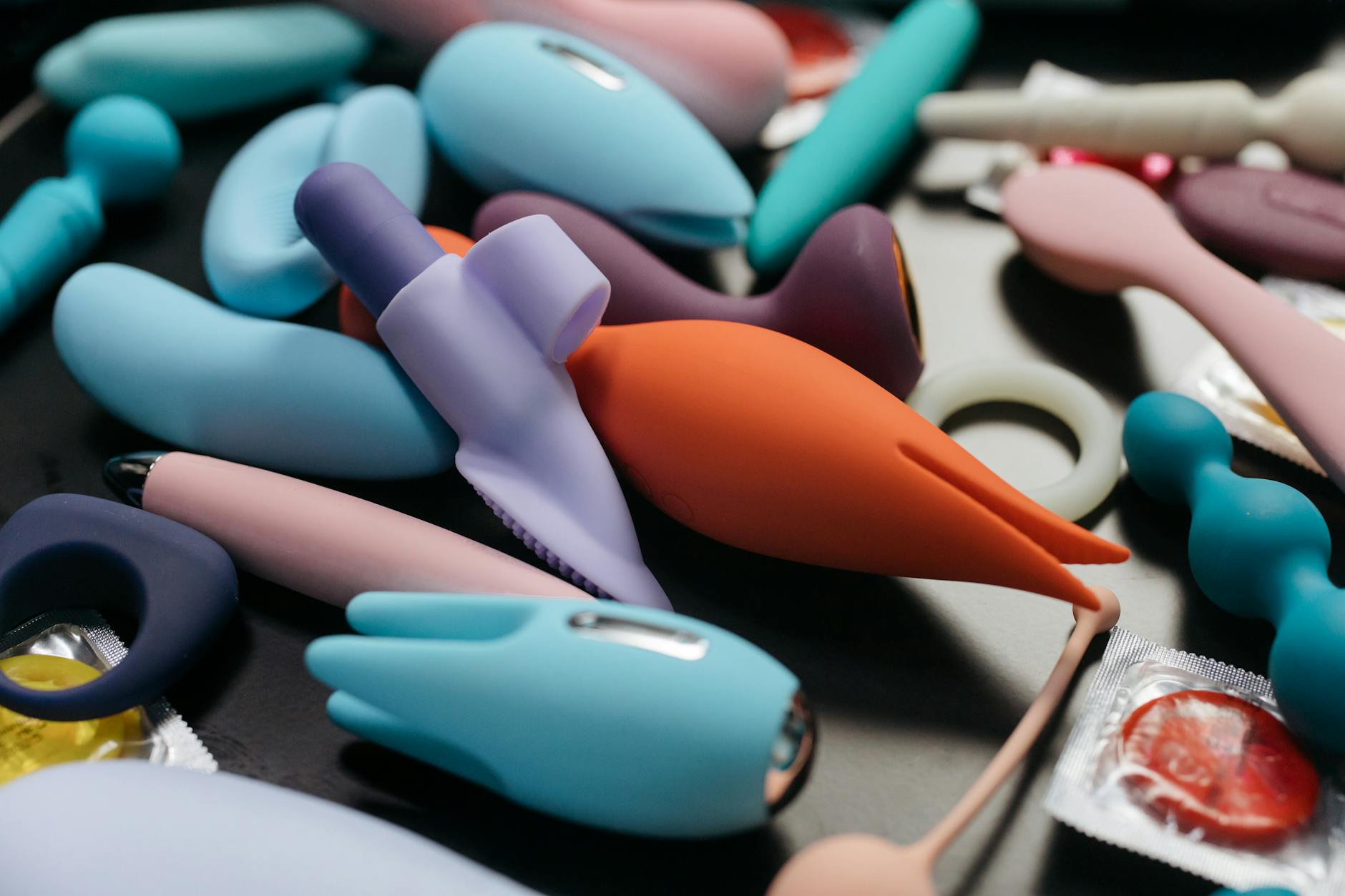
Let's talk about what most guides skip
Your cycle changes your body's response to pleasure. Every single month. And most people never figure out how to work with it instead of against it.
Here's what I mean. One week, your lemon clitoral vibrator feels perfect on pattern 3. Three weeks later, the same pattern feels either too intense or weirdly numb. You're not broken. Your body is just responding to hormonal shifts, and your technique needs to shift with it.
Why hormonal fluctuations change sensation
Estrogen and progesterone aren't just about fertility. They affect blood flow, tissue sensitivity, lubrication, and how fast your nervous system fires up. During the follicular phase (days 1-14 of your cycle), estrogen is rising. Tissue is thicker, lubrication flows easier, and sensation builds quickly. Your pelvic floor is generally more responsive.
Then ovulation happens, and there's a testosterone spike. This often feels like heightened sensation and faster arousal.
The luteal phase (after ovulation) is different. Progesterone rises, tissue thins slightly, lubrication might decrease, and sensation can feel more muted. Your threshold for intensity changes too. What felt perfect mid-cycle might feel irritating now.
During menstruation itself, pelvic tissues are more sensitive to pressure and sometimes more prone to cramping with intense vibration. But many people find that the right approach during their period actually reduces cramp pain.
Pattern selection through your cycle
Most lemon vibrators have multiple patterns and intensity levels. Using them wisely across your cycle keeps pleasure consistent instead of confusing.
Days 1-5 (menstruation). Start lower than usual. Patterns 1-2 are your friends here. The suction sensation of a lemon vibrator is gentler than direct vibration on an already-sensitive vulva. If cramping happens, the rhythmic stimulation can actually help. But go easy on intensity. You're not building to orgasm yet. You're checking in with sensation.
Days 6-14 (follicular phase). This is when you can turn it up. Your tissue is plumper, blood flow is higher, and sensation is faster-building. Patterns 3-5 feel better now. Your body might crave the intensity it craved last week. You can also build faster. Warm-up time can shorten.
Day 14 (ovulation window). Sensation is usually at its peak. Desire is higher, arousal is faster. This is often when people experience the easiest, most intense orgasms. Use this to your advantage. Try patterns you've been saving. Your body will likely reward you.
Days 15-28 (luteal phase). Return to the earlier-cycle approach. Lower patterns, longer warm-up, more patience. Progesterone makes everything feel different. Your clitoris might feel less obviously responsive. This doesn't mean less pleasure. It means different pleasure. Spend more time with patterns 1-3. Extend your warm-up to 15-20 minutes.
Lubrication timing across your cycle
Your natural lubrication changes too, and this matters for comfort with any lemon vibrator or clitoral vibrator.
Days 1-5: Natural lubrication is minimal. Water-based lubricant helps enormously. Apply it generously.
Days 6-14: You probably need less external lube, but adding it anyway helps you focus on sensation instead of friction. Don't skip it just because your body produces more.
Day 14 (ovulation): You might not need external lube at all. Your body's lubrication is at its best.
Days 15-28: Back to the need for external support. Progesterone suppresses lubrication. Use water-based lube every time during this phase.
When breakthrough bleeding or unexpected spotting happens
Sometimes your cycle gets weird. Breakthrough bleeding, spotting between periods, irregular timing. Your instinct might be to skip pleasure entirely.
You don't have to. Adjust instead.
If you're spotting lightly, lower your intensity significantly. Use patterns 1-2. The suction approach of a lemon sucker is actually less abrasive than traditional vibration, which makes it a smart choice during irregular bleeding. Keep sessions short. Five to ten minutes instead of twenty.
If spotting is heavier or you're genuinely unsure what's happening, take a break. There's no prize for powering through. Come back when you feel certain.
What changes when you're on hormonal birth control
Birth control rewires your cycle. Synthetic hormones flatten the natural peaks and valleys. Your sensation might feel more consistent month-to-month, which sounds great until you realize it also feels more muted overall.
If you're on the pill or hormonal IUD, you might notice that your usual intensity preference changes. Many people report needing higher patterns with hormonal birth control because the steady hormone state creates a baseline of lower sensation sensitivity.
If you recently started or changed birth control, expect a recalibration period of two to three months. Your pleasure patterns will stabilize, but not immediately. Experiment more during this window. Pay attention to what intensity works now versus what worked before.
The partner conversation that matters
If you're with a partner, your cycle change affects them too. Not physically. But emotionally and practically, if they're involved in your pleasure.
Let me be direct: tell them. "My body responds differently week to week. I might want more intensity one week and less the next. That's not about you or about us. That's just my body." This conversation prevents your partner from misinterpreting a change in preference as a change in desire toward them.
Better yet, involve them in the tracking. "This week I'm in my luteal phase, so I might need longer warm-up time" is information that helps them support you better.
Tracking what actually works for you
Here's the thing nobody tells you: your cycle is unique. General timing helps, but your body's actual pattern might not follow a textbook 28-day cycle. Some people shift sensation on day 12. Others on day 16.
Start tracking. Simple version: note which patterns feel best each week. After two months, patterns emerge. You'll see your personal rhythm. Then you can adjust your lemon vibrator approach before the shift happens instead of discovering it mid-session.
Use your calendar app. Day 1 of your period, mark it. Then once a week, jot down: "Pattern 3 felt perfect" or "Needed lower intensity" or "Took longer to build." Three months of notes gives you a roadmap for the rest of the year.
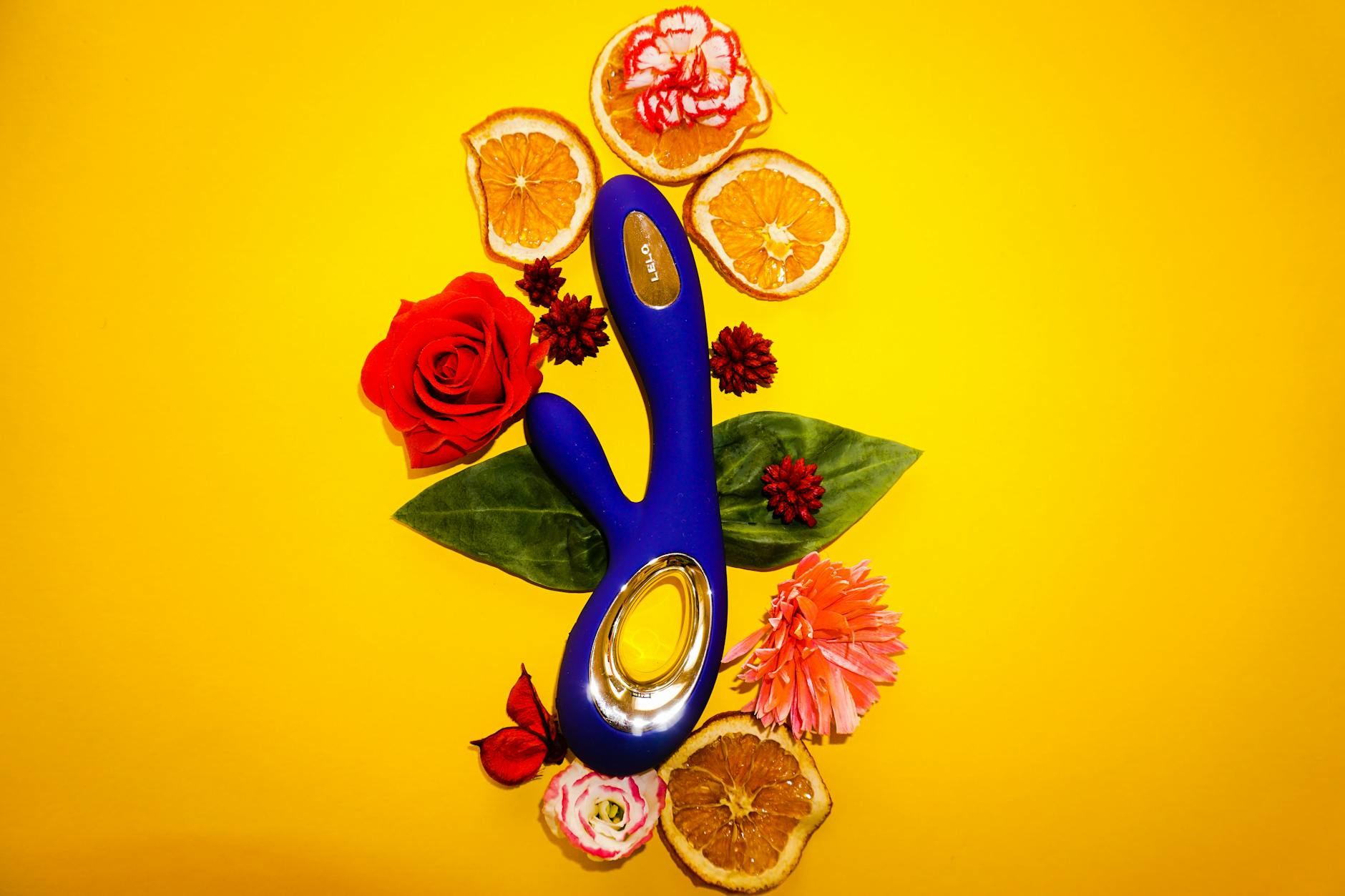
Photo by FounderTips on Pexels
When hormonal shifts signal something bigger
Sometimes a change in your cycle sensation isn't just normal rhythm. It can signal that something else is happening.
If your intensity preference shifts dramatically and stays shifted for more than one cycle, check in with yourself. Are you more stressed? Have you changed medications? Did your sleep tank? These all affect sensation.
If pleasure suddenly feels painful (not just uncomfortable, but actually painful), and it wasn't before, that's worth talking to a doctor about. Pain during arousal can indicate pelvic floor dysfunction, hormonal imbalance, or other things a professional should know.
If your cycle itself is getting irregular, that's also worth mentioning. Your pleasure patterns are one signal among many.
The rhythm you actually need
Your lemon clitoral vibrator isn't designed to stay the same all month. You're not designed to stay the same all month. Working with your cycle instead of ignoring it means more consistent pleasure, less frustration, and honestly, deeper understanding of how your body works.
Start with the phase-based pattern guide above. After two cycles, you'll know if your body runs ahead or behind the typical timing. Then adjust. Your rhythm is the one that matters.
People also ask
Can I use my lemon vibrator during my period?
Yes. Many people find that gentle suction stimulation (like what a lemon sucker provides) actually helps ease period cramping. Start with lower patterns (1-2) and shorter sessions. Your tissue is more sensitive, so intensity that felt fine last week might feel irritating now. Water-based lubricant helps. If you're spotting heavily or feel uncertain, it's fine to wait. There's no rule saying pleasure pauses for menstruation.
Does birth control change how lemon vibrators feel?
Absolutely. Hormonal birth control flattens your natural cycle, which often means sensation feels more consistently muted. Many people report needing higher intensity patterns on the pill or hormonal IUD compared to their natural cycle. If you recently started or switched birth control, expect two to three months of recalibration before you figure out what intensity works best.
Why does my orgasm feel different at different times of my cycle?
Hormones directly affect blood flow, tissue thickness, and nerve sensitivity. During the follicular phase and around ovulation, estrogen and testosterone create conditions for faster, more intense orgasms. During the luteal phase, progesterone slows everything down. Orgasms don't disappear. They just feel different. Deeper sometimes, more subtle others. Your lemon clitoral vibrator can support all of these variations if you adjust your pattern selection.
What intensity should I use if my cycle is irregular?
Start conservative. Irregular cycles often mean unpredictable hormone levels, which means unpredictable sensitivity. Begin with patterns 1-2 and pay attention to what your tissue tells you. You can always increase. You can't un-do overstimulation if you start too high. Track what works for each session. Patterns emerge faster than you'd expect, even with irregular timing.
Can hormonal shifts cause pain with vibrators?
Yes, though it's not common. If you suddenly experience pain (not discomfort, but actual pain) during or after using a lemon vibrator, and it coincides with cycle changes, check a few things first: Are you using enough lubricant? Did you start a new medication? Are you more stressed than usual? These all affect sensation. If pain persists across multiple sessions, talk to a healthcare provider. It might signal pelvic floor tension, hormonal imbalance, or something that deserves professional attention.
Should I avoid my lemon vibrator on certain days of my cycle?
No. The goal isn't avoidance. It's adjustment. Lower your intensity on days when sensation feels more sensitive. Extend your warm-up time during the luteal phase. Use water-based lubricant more liberally during low-lubrication phases. These tweaks keep pleasure accessible across your entire cycle instead of shutting it down during certain weeks.
Your cycle is information, not a limitation
Most people treat their menstrual cycle like something that happens to them. A monthly inconvenience. But it's actually detailed information about how your body wants to be touched, when, and how intensely.
Your lemon vibrator isn't a one-setting tool. Neither are you. Working with your hormonal rhythm transforms pleasure from something that feels random or inconsistent into something you can actually predict and optimize. That's not complicated. It just requires paying attention and being willing to adjust.
Start tracking this cycle. Pay attention next cycle. By cycle three, you'll know your rhythm better than almost anyone. And then you can use it.