Let's name the awkward thing first
Long breaks in physical intimacy with a partner don't just pause sex. They stall confidence. You start wondering if your body still feels good to them. They wonder if they've forgotten what you like. Both of you are probably overthinking it. And both of you are probably right to feel some friction about restarting.
Here's what I see in couples work: the partners who move back into intimacy smoothly aren't the ones who waited for chemistry to feel automatic again. They're the ones who treated the restart like a skill that needed practice, not a feeling that needed to spontaneously appear.
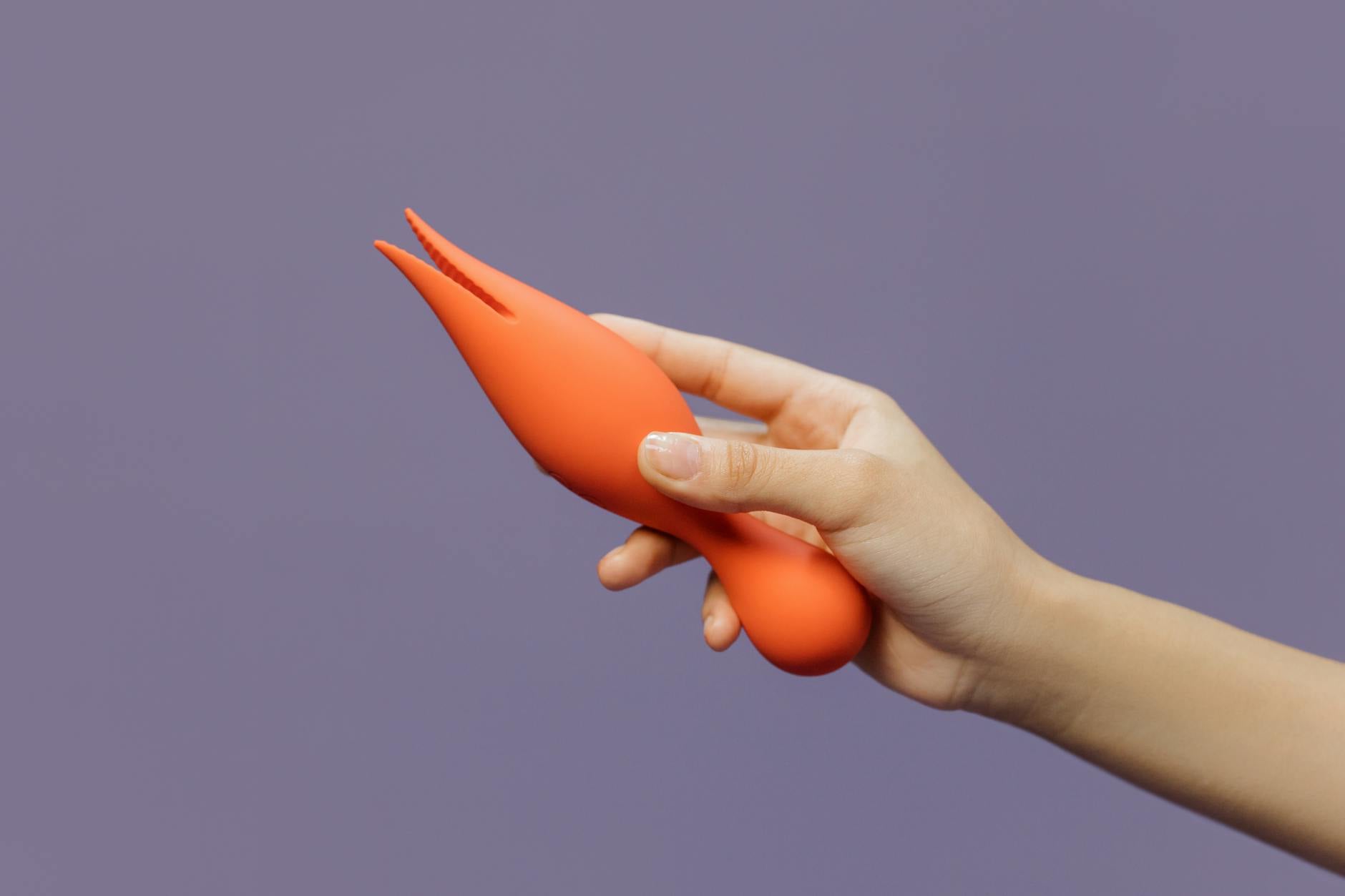
A lemon clitoral vibrator can be that practice tool.
Why time apart changes the dynamic
When you haven't had sex for weeks or months, your body's arousal system downshifts. Blood flow to your genitals decreases. Your brain gets quieter about desire signals. Your partner's touch might feel less immediately electric because your nervous system isn't primed for that kind of stimulation.
None of this means the relationship is broken. It means your bodies are out of conversation with each other.
The other thing that happens: psychological resistance builds. You start rehearsing the awkwardness in your head before it even happens. "What if I'm not wet enough?" "What if they expect me to orgasm right away?" "What if it feels weird now?" That mental loop is often stronger than the physical barrier.
Where a lemon vibrator fits into reconnection
Think of it as a third thing in the room that isn't pressure. When it's just the two of you trying to generate chemistry, every touch carries expectation. Every slow response reads as rejection. A device reframes the whole conversation.
Using a lemon clitoral vibrator together is permission to slow down. It's also permission to not know what you're doing. One of you can hold it. You can both laugh if the angle is weird. You can take breaks without it feeling like failure. The vibrator does the heavy lifting of sensation while you both relearn how to be physically present together.
Suction stimulation, which lemon vibrators use, is particularly good for this because it doesn't require the same mental focus as penetration. It's localized, consistent, and it builds arousal without needing you to move in sync or perform in any particular way.
The conversation to have before you start
Honestly, this is more important than technique. Sit down (clothed, not in bed) and say something like:
"I want us to reconnect physically, and I'm nervous about it. I want to try using a lemon vibrator together because I think it might make it easier for both of us. We don't have to do anything big. Just something small that helps us remember what this feels like."
Then listen. Your partner might feel equally nervous. They might also feel relieved that you're naming the thing. They might have ideas about how to approach it that are different from yours. That conversation is the actual reconnection. The vibrator is just the structure that holds it.
If your partner has never seen you use a vibrator before, this is also a chance to normalize it. "I like how this feels. I want to show you. I also want to use it with you." That shift from solo to partnered use can feel huge in the best way.
How to actually start
Pick a time when you're both rested and not distracted. Not late at night when you're exhausted. Not rushed before work.
Start with touch that has nothing to do with the vibrator. Kiss. Hold each other. Let arousal build naturally for 10 to 15 minutes. This is the part people skip, and it's the part that matters most. Your body needs time to remember that this is safe, that this is wanted.
When you're both warm and touching naturally, one of you introduces the lemon vibrator. The person receiving it should be in control of the pace. "Hold it here." "Slower." "A bit higher." You're not trying to achieve anything specific. You're just noticing what feels good.
If it's your first time using it with a partner, start at pattern one or two. Lower intensity. Longer time building arousal. You can always turn it up. You can't un-intense it if you go too fast.
Here's what often happens: the person holding the vibrator watches the person receiving it. They see what makes their partner lean in, what makes them tense up, where the pleasure actually is. For the partner using the vibrator, you get to feel what it's like to be touched in a new way. Both of you get information you didn't have before.
What to expect emotionally
You might feel self-conscious. That's normal and usually temporary. You might cry. People sometimes cry when they reconnect sexually because there's relief mixed with vulnerability. You might not orgasm, and that's fine.
The goal here is not performance. The goal is presence. Can you be in your body while your partner is in theirs? Can you ask for what you want? Can you laugh if something goes awkwardly? That's the skill you're rebuilding.
Some couples find that once they use a lemon vibrator together and it feels good, sex without it feels more accessible again. The pressure dissolves. You've already moved past the weirdness.
Others find that using one together becomes part of their regular practice. That's also completely valid. There's no timeline for "graduating" to other types of sex. If a lemon clitoral vibrator works for your bodies and your comfort, keep using it.
The conversation after
Don't skip this either. When you're both settled and not in the moment, talk about what happened.
"That felt really good."
"I was nervous, but I liked that you were controlling the pace."
"I missed this. I missed you."
These conversations are where emotional reconnection happens. The physical stuff creates the opening. The words seal it.
If something didn't feel good, say that too. "The intensity was too much." "I felt disconnected." "I want to try it differently next time." That feedback is gold because it means you're paying attention to each other again.
When to add complexity
Once you've used a lemon vibrator together a few times and it feels natural, you can fold it into other activities. Use it during partnered sex. Use it while one of you is inside the other. Use it solo while your partner watches and touches you. Each of these is a different conversation and a different kind of intimacy.
But you don't have to. If you find your rhythm with a lemon clitoral vibrator and that's enough, that's the right amount of complexity for you.
The reset button thing
Here's what I tell couples in therapy: long breaks in sex aren't failures. They're information. They tell you that something else needs attention first. Maybe it's stress. Maybe it's resentment that hasn't been addressed. Maybe it's just logistics and exhaustion.
Using a lemon vibrator together isn't about erasing that information. It's about deciding you want to move forward anyway. It's a reset button only if both people are actually ready to press it.
If one of you isn't ready, that's okay too. The conversation about that is more important than the vibrator itself. "I want this eventually, but I'm not there yet." That's the real work.
People also ask
How long should we wait before using a lemon vibrator with a partner after a break?
There's no fixed timeline. Some couples reconnect emotionally after a few weeks and feel ready for physical intimacy. Others need months. The right moment is when both of you have said (out loud) that you want to try. Not when you think you should. Not when one person is pressuring the other. When you've both agreed it's time.
What if I feel numb or disconnected when we try?
That's common and usually temporary. Your nervous system needs time to remember that touch is safe and good. Use the lemon vibrator at a lower intensity and let arousal build slowly. If numbness persists over several sessions, talk to your doctor. Medication changes, hormonal shifts, or depression can all affect sensation. A healthcare provider can help you figure out what's happening.
Can we use a lemon vibrator if we haven't had sex in over a year?
Yes. The time gap doesn't matter. Your body doesn't "forget" how to feel pleasure. It just needs practice reconnecting. A lemon clitoral vibrator can be exactly that practice tool. Give yourself permission to go slowly and don't judge yourself for needing the reset.
What if my partner is uncomfortable with vibrators?
That's worth understanding before you try one together. Ask why. Is it insecurity (they think the vibrator replaces them)? Is it unfamiliarity? Is it discomfort with sex toys in general? Each answer needs a different conversation. Sometimes explaining that a lemon vibrator helps bridge arousal and creates shared pleasure helps. Sometimes the answer is that you need a different approach.
Should we practice using the vibrator before trying it together?
You don't have to, but it helps. If you've used a lemon vibrator solo before, you know what intensity feels good and what patterns you like. You can teach your partner what you prefer without having to explain it in the moment. If it's new for both of you, exploring it together is fine. Just go slower and be patient with the learning curve.
How do we use the lemon vibrator if penetration feels too uncomfortable after the break?
Then don't do penetration. Use the vibrator as your primary activity. Focus on clitoral stimulation. This takes the pressure off your partner to perform a certain way and takes the pressure off your body to accommodate something that doesn't feel good. Sometimes reconnection is about rediscovering what feels good without any script at all.
The bottom line
Restarting sex after a long break is awkward. It's supposed to be. You're both vulnerable and unsure. That's actually where the deepening happens. A lemon clitoral vibrator is just a tool that gives you both permission to move slowly, to ask for what you want, and to remember why you wanted this with each other in the first place.
Your pleasure matters. Your comfort matters. And taking the time to reconnect properly, with honesty and care, matters more than jumping back to where you were before.