Let's name what's happened
Emotional distance kills sex faster than almost anything else. When you stop talking about the small things, you stop touching. When you stop being vulnerable, you stop wanting to be naked together. It's not that desire vanished. It's that safety did.
Here's the thing nobody tells you: rebuilding physical intimacy after emotional drift is not about forcing more sex. It's about rebuilding trust in touch itself.
Why emotional distance blocks physical connection
When couples grow distant emotionally, the body picks up on it before the mind does. You touch less. You make eye contact less. You sit on opposite ends of the couch. Then, weeks or months later, you realize you can't remember the last time you had sex, and the thought of initiating feels terrifying because it exposes exactly how disconnected you've become.
This happens because touch requires vulnerability. To be touched by someone, you have to believe they're present with you. To touch someone else, you have to assume they want to feel you. When emotional distance creeps in, both of those assumptions collapse.
Most couples in this situation try to jump straight to sex. It doesn't work. You're asking the body to feel close when the brain has already built walls.
The rebuilding happens in stages
There are three distinct phases to reconnecting physically after emotional distance. They can't be rushed, and skipping one will send you back to the beginning.
Phase one: Non-sexual touch. Hand holding. Hugging without immediately pulling away. Sleeping close. Massaging hands or shoulders. The point is skin-to-skin contact with zero expectation of sex. This phase usually lasts 1-2 weeks and feels weirdly vulnerable because it is. You're learning again how to be physically close without the conversation distraction of sex.
Phase two: Sensate focus. This is where you start to explore pleasure together, but slowly. You might touch each other's bodies with no goal beyond sensation. Many couples find this is where they actually talk during the process, which seems odd until you realize that touch loosens the nervous system enough to speak honestly.
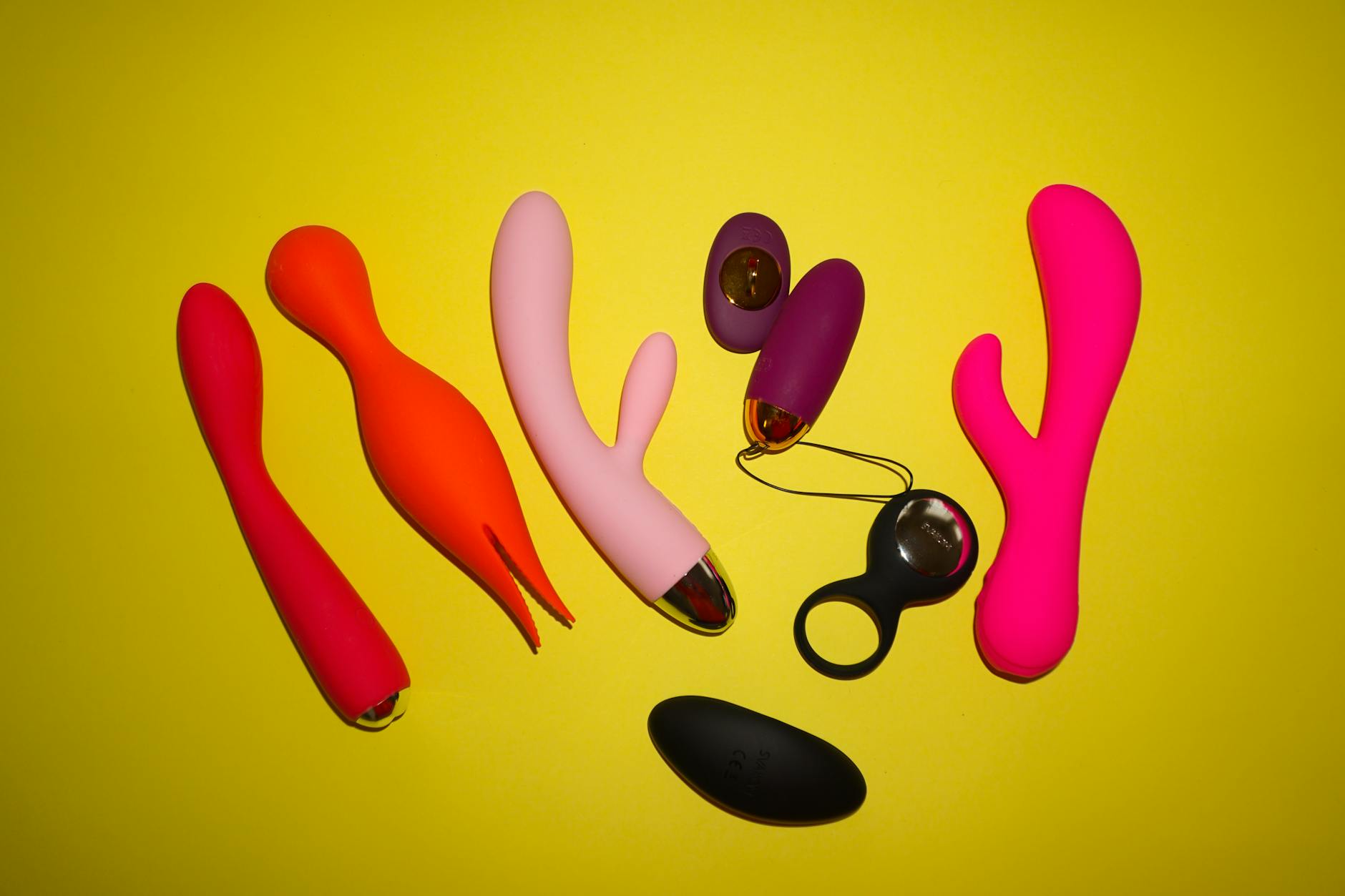
Phase three: Integrating pleasure. This is where lemon vibrators and other toys become genuinely useful. By this point, you've rebuilt the foundation of emotional safety and physical comfort. Now you're adding a new dimension to reconnection.
Why lemon toys work specifically for reconnection
Lemon vibrators and clitoral vibrators from Get Lemon Toys offer something couples need during this phase: a shared focal point that's not about performance or pressure.
When one partner is exploring pleasure with a lemon vibrator while the other is present, watching, touching, or simply being there, several things happen at once. First, there's no expectation that penetrative sex will follow. Second, the person using the toy gets to experience pleasure in front of their partner, which rebuilds vulnerability. Third, the witnessing partner gets to see their partner's body respond to pleasure again, which is profound after emotional distance.
This is different from solo toy use. Solo is about self-discovery. Shared toy use is about rebuilding the belief that your pleasure matters to your partner and that your partner's pleasure is worth your attention.
The actual steps for couples
Here's how to introduce lemon toys during this phase of reconnection.
Start with conversation, not the toy. Say something like: "I've been thinking about how we could reconnect physically. I found this toy that might help us both feel less pressure and more pleasure. Would you be interested in trying it together?" The key is removing shame from the suggestion. You're not admitting failure. You're offering a tool.
Choose a low-pressure setting. Get Lemon Toys' clitoral vibrators come with multiple intensity levels. Start at pattern 1 or 2. The goal is sensation, not orgasm. If your partner reaches orgasm, great. If not, that's also fine. The point is rebuilding comfort with pleasure as something shared.
One partner uses the toy while the other is present. You're not performing for each other. You're being witnessed. The non-toy partner can touch, kiss, hold, or simply watch. There's no script. This is where honesty creeps back in because you're both vulnerable at the same time.
Then switch, or explore together. Some couples find that once one partner has experienced pleasure in front of the other, there's a sudden shift in safety. The toy becomes less important than the fact that you've both crossed back into vulnerability together.
What to watch out for
A few things derail couples during this process.
Comparing the experience to pre-distance sex. You probably won't orgasm as easily. Your body won't respond the same way it did when you were close. That's normal. You're rebuilding, not recreating.
Rushing to frequency. If you use a lemon vibrator together once and it feels good, resist the urge to do it every night. Once or twice a week is enough to rebuild safety without creating new performance pressure.
Forgetting the emotional work. Toys are helpful, but they're not the cure. The emotional reconnection (talking, being present, making decisions together) has to happen alongside the physical reconnection. If you're using a vibrator but still not talking, you're building a fragile bridge.
Making it about the toy instead of about each other. The toy is a support. It's not the relationship repair. Make sure you're still touching without it, talking without it, and being close without it.
The timeline looks different for everyone
Some couples move through these phases in a few weeks. Others need several months. How long it takes depends on how deep the emotional distance was and how much work both partners are willing to do.
One thing I notice across couples who successfully rebuild is that they give themselves permission to start again from scratch. You're not trying to get back to how things were. You're building something new, informed by what you've learned about disconnection.
If you're both willing to be vulnerable, to go slow, and to show up even when it feels awkward, physical intimacy comes back. Not in the same shape it had before, but often richer.
When to reach out for support
If you've moved through these phases and still feel stuck, or if one partner is willing and the other isn't, that's the moment to work with a relationship therapist. Toys and touch can help, but they can't fix unwillingness to reconnect. That requires professional support.
There's also a difference between going slow and going nowhere. If you've spent three months in phase one and can't move forward, something else is happening beneath the surface. That's information worth exploring with a professional.
Emotional distance is real and it's painful, but it's also one of the most repairable relationship breaks. The fact that you're looking for tools to reconnect is already a sign that both of you care. Start with conversation, move through the phases at your pace, and let your body remember what your mind is trying to rebuild.
FAQ
How long does it usually take to rebuild physical intimacy after emotional distance?
There's no universal timeline. Some couples reconnect within weeks. Others need several months of consistent effort. The key factor is whether both partners are actively trying. If you're moving through the three phases (non-sexual touch, sensate focus, integrating pleasure) and both partners are present and honest, you'll know within 4-6 weeks whether you're moving in the right direction.
What if one partner wants to rebuild intimacy and the other doesn't seem interested?
This is a sign that the emotional distance is deeper than it appears. One partner may be protecting themselves from further disappointment or hurt. Before introducing toys, try having an honest conversation about what's blocking them. Consider working with a relationship therapist if you're stuck here. Toys can't create willingness. They can only support it once it's already present.
Is it normal to feel awkward the first time using a toy together?
Completely normal. You're being vulnerable in a new way. Your nervous system is processing exposure and pleasure at the same time. Awkwardness usually fades after the first or second time. If it doesn't, check in about what's making it uncomfortable. Sometimes it's the tool. Sometimes it's something unspoken in the relationship.
Can lemon vibrators help if we're still arguing a lot?
Not really. Toys work best in a foundation of basic safety and respect. If you're in active conflict, address that first through conversation or with a therapist. Once the fighting has calmed enough that you can be in the same room without tension, then toys can help rebuild from there. You're looking for a ceasefire, not perfect harmony, before introducing physical reconnection.
What if we try this and it brings up more disconnection or sadness?
That can happen. Physical touch sometimes releases emotion that's been held in the body. If you cry, if you feel sad, if something comes up, pause and talk about it. This is the emotional work happening. It's uncomfortable but often necessary. Being present with your partner through that emotion is actually the deepest form of reconnection.
Should we introduce lemon toys or wait until we're already physically intimate again?
Wait until you've moved through phase two (sensate focus). By the time you introduce a toy from Get Lemon Toys, you should already be comfortable being naked together and touching each other without performance pressure. The toy comes after you've rebuilt the foundation, not before. It's a next step, not a first step.
If you're navigating relationship reconnection right now, know that this work is hard and also deeply worthwhile. Many couples find that rebuilding intimacy after distance actually creates a stronger, more honest connection than what existed before. You've learned what disconnection feels like. Now you get to rebuild something more intentional.