How to Maintain Emotional Connection When Physical Intimacy Changes
Let's be real: the moment physical intimacy shifts in a relationship, most couples panic. You stop having sex as often. Your partner's desire dips. You get injured, or tired, or life just gets in the way. And suddenly that question creeps in: "Are we still close? Are we drifting?"
Here's the thing. Emotional connection and physical intimacy are not the same thing. They're deeply linked, yes. But they're not interchangeable. And when you understand the difference, everything changes.
The myth that physical = emotional
We're sold this story: great sex equals great relationship. Frequent sex equals deep love. Touch equals intimacy. And if those things aren't happening on the old schedule, something is broken.
It's not broken. It's just changing.
I've worked with couples married 30 years who have mediocre sex and extraordinary emotional closeness. I've also worked with couples who have fantastic sex and zero actual intimacy. The two are correlated but not causal. Sex can deepen connection, absolutely. But it's not the only thing that does.
Emotional intimacy is built on consistent vulnerability, being known, and knowing your partner in return. It's the stuff that happens in conversation, in small gestures, in how you respond when someone is scared or hurt. Physical touch can support that. But so can a thousand other things.

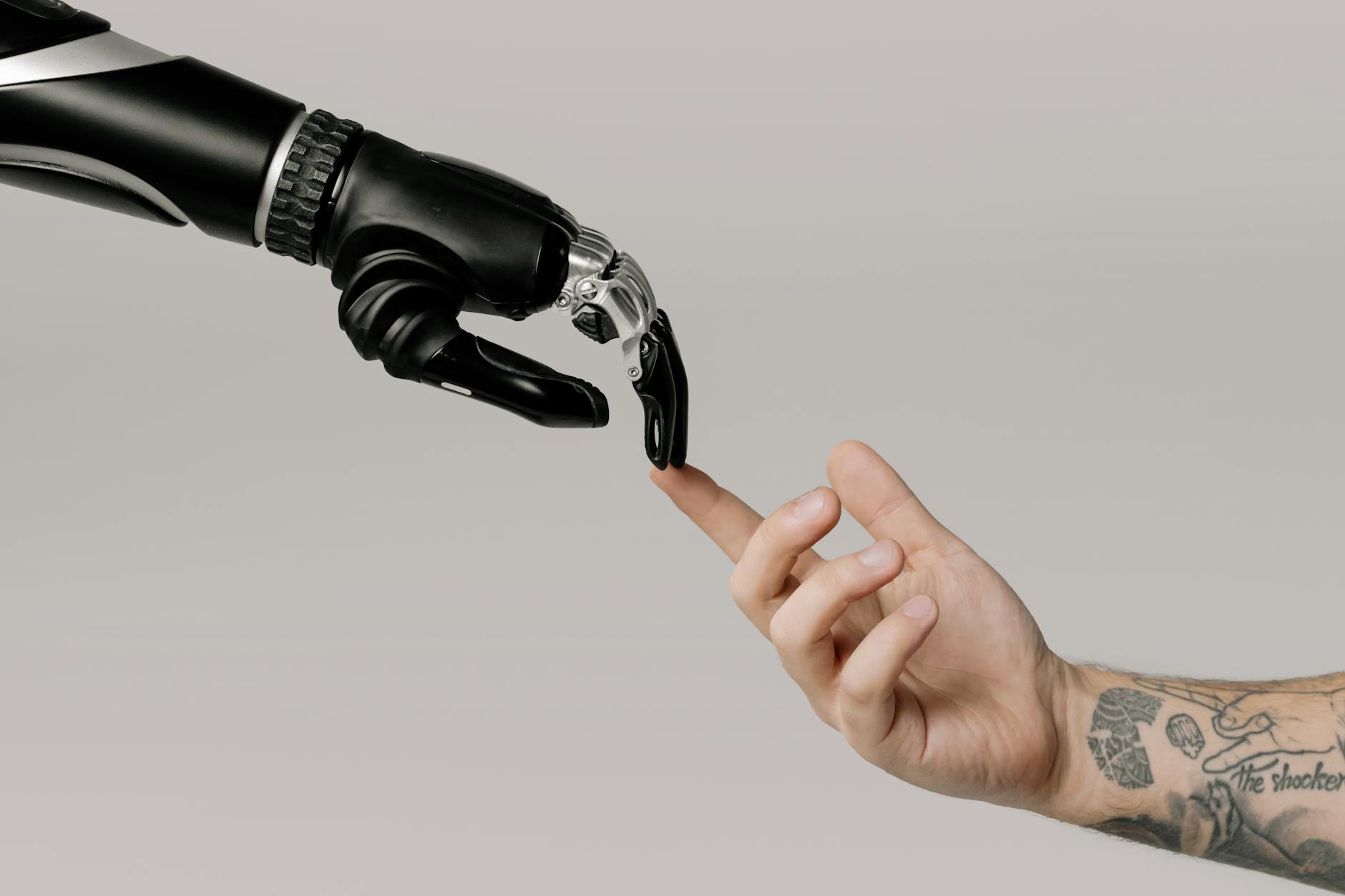
Photo by Tara Winstead on Pexels
What actually breaks emotional connection
Here are the real killers of closeness in long-term relationships.
Withdrawal after rejection. One partner wants sex. The other doesn't. Instead of staying curious ("What's going on with you?"), the rejected partner disappears into their phone or the garage for three days. That silence is what damages connection, not the declined sex itself.
Assuming you know what's happening. Your partner seems distant. You assume they're losing interest in you. They're actually stressed about work. You never ask. You just pull back in kind. Now you're both retreating, both lonely, both certain you know why. You don't.
Stopping other forms of touch. Sex isn't available, so you stop kissing, holding hands, sitting close on the couch. You amputate all physical affection instead of adapting it. That's where the real isolation starts.
Treating the change as permanent without conversation. Intimacy shifts. It can shift back. It can shift sideways. But if you never actually talk about it, you're both just narrating the decline silently, which feels like abandonment.
The four things that actually keep couples close when sex changes
1. Staying curious instead of defensive.
When your partner's desire shifts, the instinct is to make it mean something about you. "They don't want me anymore." "I'm not attractive." "This relationship is dying."
Instead, ask. "What's shifted for you?" "Is this about us, or about something else?" "What would help?"
Curiosity is the antidote to projection. When you ask instead of assume, you stay connected to the actual person across from you instead of the story in your head.
2. Adapting physical affection instead of abandoning it.
If sex isn't happening, you might think touch should stop. Wrong. This is when touch matters more, not less.
Hold hands. Kiss for a full ten seconds before letting go. Sleep skin-to-skin. Massage their shoulders. Shower together. Sit close enough that your legs touch. These aren't "lesser" forms of intimacy. For many people, they're more emotionally connective than sex ever was.
Touch releases oxytocin. It signals safety and belonging. When sex is off the table, other touch becomes the primary language of "I still want you. I still choose you."
3. Creating regular spaces for real conversation.
Once a week, or every other week, you sit down and talk about what's actually happening. Not logistics (who's picking up groceries). Real stuff. How are you feeling about us? What do you miss? What are you worried about? What do you need?
These conversations need a container. Twenty minutes, Sunday evening, phone away. It's not natural. Most couples would rather argue or suffer in silence. But this consistent vulnerability is what keeps emotional intimacy alive when the physical stuff gets messy.
4. Addressing the change without shame.
Sometimes low desire is situational (stress, exhaustion, new medication). Sometimes it's relational (resentment, disconnection, unresolved conflict). Sometimes it's physical (hormonal changes, pain, aging). Sometimes it's all three at once.
The conversation is: "What's going on? How do we understand this together? What needs to happen?"
Not: "Why don't you want me?" Or: "There's something wrong with you." Or silence, which is the worst option. Shame kills connection faster than anything else.
When desire genuinely doesn't match
One partner wants sex twice a week. The other wants it twice a month. This is real, and it's common. Here's how couples actually survive it without resentment.
You stop trying to fix the mismatch and start accepting the difference. Neither person is broken. Different libidos aren't a relationship problem. They're a logistics problem.
Some couples agree on a frequency that's a compromise. Some couples say "You initiate every Thursday, and I'll show up without pressure." Some couples embrace solo play, which is legitimate. Some create space for the higher-desire partner to get their needs met while the lower-desire partner stays emotionally present (perhaps you're in the room, or you're close by, or you're thinking about them).
The point: you name it, you negotiate it, and you don't let it become a referendum on the relationship.
What changes at different life stages
Twenties and early thirties? Sex is often frequent and relatively easy. Physical novelty is high. But emotional depth is sometimes shallow.
Forties and fifties? Desire often steadies but can become inconsistent. Children, careers, aging parents, medical stuff all interfere. But emotional intimacy can deepen tremendously if you're doing the conversation work.
Sixties and beyond? Physical changes are real. But couples who've stayed curious about each other often report that intimacy has never been better. They know each other. They've survived things. They're not performing anymore.
Each stage requires different skills. But the underlying currency remains the same: showing up, being honest, staying interested.
The role of tools and adaptation
Sometimes physical changes mean you need different approaches to pleasure. If pain is present, if desire is low, if response time changes, there are solutions. Products like clitoral vibrators can sometimes help when traditional sex feels difficult or unrewarding. Tools aren't the solution to emotional disconnection, but they can remove barriers that are making physical connection harder.
The key is approaching them together. "What would help us both feel good?" is a very different question than secretly reaching for something because the status quo isn't working.
Rebuilding after drift
Sometimes you realize you've been disconnected for months or years. The physical stuff dried up and the emotional closeness went with it. It's scary, but it's also fixable.
Start with non-sexual touch. Hold hands. Sit close. Notice what that feels like.
Then have the conversation. "I miss us. I don't know exactly what happened, but I want to reconnect. Will you help me figure this out?"
Then commit to the regular check-ins. Weekly conversation. No phones. Real questions. Real answers.
It takes time. It's not romantic. But it works.
FAQ
What if my partner won't talk about the change in physical intimacy?
That silence is information too. It usually means fear, shame, or learned patterns from their family. Couples counseling can help create a safe space for that conversation. You might say: "I love you and I want to understand what's happening. I'm going to bring in some help so we can both talk about this." That's not weakness. That's commitment.
Can emotional intimacy survive a permanent decrease in sex?
Yes, absolutely. Many couples have thriving emotional connections with infrequent sex or no sex. What matters is that you've both chosen that reality consciously, rather than one person resenting the other into silence.
How do I know if we're disconnected or just in a normal phase?
Normal phases feel temporary. You're busy, you're stressed, but you still check in. You still touch. You still know each other. Disconnection feels stuck and unnamed. If you can't remember the last real conversation, if touch has stopped entirely, if you're strangers in the same house, that's different.
What if the change in intimacy is because of infidelity or breach of trust?
Trust is the foundation of emotional connection. If trust is broken, intimacy can't return until that's addressed directly, usually with professional help. Rebuilding trust is possible but requires accountability, transparency, and time. You can't talk your way past this one alone.
Is it normal for desire to drop after years together?
Yes. Novelty fades. Comfort can mean less urgency. But lack of novelty doesn't have to mean lack of desire. Couples who keep exploring each other, trying new things, and staying curious often maintain stronger desire over time. That exploration looks different at 45 than at 25, but it doesn't disappear unless you let it.
How do I initiate physical intimacy after a long period without it?
Start small. Hand holding, kissing, sleeping skin-to-skin. Don't jump to sex. Let physical affection rebuild gradually. When you're ready to talk about sex specifically, be direct: "I miss feeling close to you that way. I'd like to try again. What would feel good for you?" Expect awkwardness. It's normal. Awkward beats silent.
The real work
Emotional connection when physical intimacy changes isn't complicated in theory. It's complicated in practice because it requires showing up, being honest, and staying curious when the easiest move is to withdraw.
But here's what I know after working with hundreds of couples: the relationships that survive these changes aren't the ones where sex never falters. They're the ones where two people decided that knowing each other mattered more than any single form of touch. That decision, made over and over in small ways, is what holds couples together.
Your physical relationship will change. That's not a failure. That's just what happens in time. What won't change, if you don't let it, is your choice to stay present. That's the work. That's also where the real intimacy lives.
Related reading
If you're navigating relationship transitions, the articles on emotional intimacy without physical touch and using pleasure tools with your partner dive deeper into specific scenarios. Both explore how couples stay connected through change.
Want to talk about what's happening in your relationship? Get in touch. That's what we're here for.