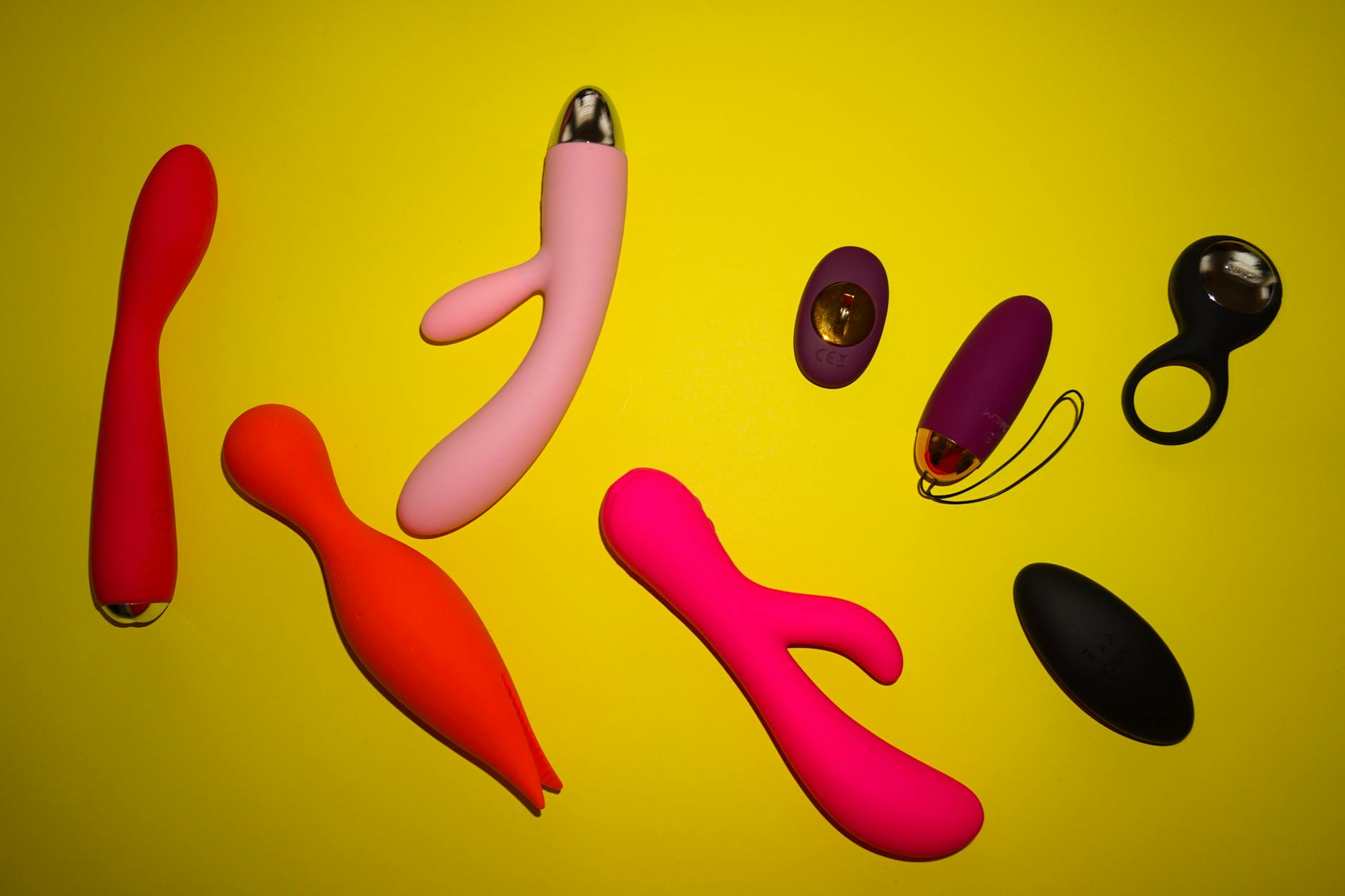
Let's talk about what ruins the mood faster than anything else
Itching. Burning. That creeping sense halfway through that something is genuinely wrong. If you have sensitive skin, you already know this feeling. And if you're shopping for a lemon vibrator or any clitoral vibrator, material matters way more than power settings or fancy features. A toy that irritates your skin isn't a toy you'll use, and a toy you don't use is money wasted.
The good news: sensitivity isn't a barrier to pleasure. It just means you need to be intentional about what touches your most delicate skin.
Why vulvar skin is different from the rest of your body
Your vulvar tissue is thinner, more permeable, and has a completely different pH balance than your forearm or inner thigh. That fancy lotion that feels fine on your neck? It can trigger burning in minutes down there. Same logic applies to vibrators. Materials that are "body-safe" in theory can still cause irritation if they're porous, contain dyes, or have been treated with chemicals during manufacturing.
The clitoris itself has over 8,000 nerve endings packed into a tiny space. Direct contact with an irritating material doesn't just sting. It can numb sensation, kill arousal, and make you feel disconnected from pleasure.
The material breakdown: what actually works for sensitive skin
Medical-grade silicone is your baseline. It's non-porous, hypoallergenic, and won't leach chemicals into sensitive tissue. When you're shopping for lemon vibrators or any clitoral vibrator, look for "medical-grade" or "platinum-cured silicone" specifically. Cheaper silicone blends can contain fillers that trigger reactions.
Glass and stainless steel are second-tier winners. They're completely inert, meaning your body can't react to them chemically. They also don't absorb bacteria or residual lubricant. Glass feels cool and smooth; steel feels dense and grounding. Neither option conducts vibration particularly well on their own, which is why you won't see many pure-glass or pure-steel lemon vibrators. They're often used as outer casings or partners to silicone cores.
Avoid anything porous. This includes elastomer blends, TPE (thermoplastic elastomer), and anything labeled "rubber" or "jelly." Porous materials trap bacteria, absorb lubricant into their structure, and can degrade over time. They're also more likely to contain phthalates or other plasticizers that irritate delicate skin.
Coatings matter more than you'd think. Even medical-grade silicone can be treated with a coating during manufacturing. Some manufacturers use hypoallergenic finishes; others use matte coatings that trap oils and bacteria. When you unbox a new lemon clitoral vibrator, the smell tells you something. A strong plastic or chemical odor means off-gassing. That chemical is what will irritate your skin.
How to evaluate a vibrator before you buy it
Check the material label first. If it doesn't explicitly say "medical-grade silicone" or "platinum-cured silicone," ask before purchasing. Generic labels like "premium silicone" or "body-safe" are marketing speak. You want specifics.
Look for hypoallergenic claims. Reputable brands test for allergenic potential and will advertise it. Get Lemon Toys makes products with sensitivity in mind, but always verify the exact material composition on the product page.
Avoid dyes and glitter in the silicone. Colored silicone is fine if the dye is dispersed throughout a medical-grade base. But if the color looks painted-on or translucent rather than solid, the dye might separate or leach. Glitter-embedded silicone is particularly risky because the particles can separate and irritate delicate tissue.
Feel the texture. A silicone vibrator should feel smooth and slightly grippy, not sticky or tacky. Stickiness suggests old silicone or a cheap blend that's beginning to break down. New silicone should feel almost slippery when dry.
Smell matters. Fresh medical-grade silicone has almost no smell. A strong chemical or plastic odor means the material is off-gassing and will likely irritate your skin. Before using any new lemon vibrator for the first time, wash it thoroughly with warm soap and water, and let it air-dry completely.
What to do if you react even to "safe" materials
Sometimes sensitivity is specific to one material but not another. Some people react to all silicone but tolerate glass fine. Others have issues with vibration frequency itself rather than material.
If you're trying a new toy and notice irritation within 30 minutes, stop immediately. Don't assume your skin will "adjust." Wash the area with cool water and a gentle cleanser. If irritation persists beyond a few hours, you've found a material to avoid.
When shopping for your next lemon vibrator, try glass or stainless steel instead. Or experiment with different silicone brands. Material sensitivity is often brand-specific, not material-specific.
The lubrication piece nobody talks about enough

Photo by cottonbro studio on Pexels
Even the most body-safe lemon clitoral vibrator becomes irritating if you use the wrong lubricant. Water-based lubes are your safest bet for sensitive skin because they don't create a barrier that traps sweat, bacteria, or silicone residue against your vulva.
Silicone-based lubes feel amazing and last longer, but they can trap moisture against sensitive skin, creating the perfect environment for irritation or yeast infections. Oil-based lubes degrade silicone toys and leave a film that attracts bacteria.
When you're using any lemon vibrator with sensitive skin, use water-based lubricant every time. Full stop. The lubrication doesn't just improve comfort. It protects your skin from direct contact with any potential irritants.
Cleaning is part of sensitivity management
A dirty toy is an irritating toy. Bacteria, old lubricant, and skin cells create irritation and infection risk. Wash your lemon vibrator with warm water and fragrance-free soap after every use. If the toy has multiple materials (silicone exterior with a metal base, for example), pay extra attention to seams where moisture can hide.
Never use douches, scented soaps, or antibacterial washes on your toy. The same things that irritate your vulva will irritate the porous areas where bacteria hides. Stick to plain soap and water.
When sensitivity is actually a sign to see a doctor
If you're sensitive to multiple materials and react even to medical-grade silicone with proper cleaning and lubrication, something else might be going on. Hormonal shifts, yeast infections, bacterial vaginosis, or contact dermatitis from other products all masquerade as "vibrator sensitivity."
Before you give up on clitoral vibrators entirely, get checked by a gynecologist. Sometimes the irritation has nothing to do with the toy and everything to do with what your body is dealing with at that moment.
The bottom line on choosing a lemon vibrator for sensitive skin
Medical-grade silicone, glass, or stainless steel. Water-based lubricant. Thorough washing after use. Those three things eliminate most sensitivity issues. When you're shopping for any clitoral vibrator, check the material label first. If you can't find specific information, email the brand before you buy. Reputable companies like Get Lemon Toys will tell you exactly what you're getting.
Your pleasure deserves to feel good from start to finish. That means choosing a toy that won't leave your skin angry, uncomfortable, or dealing with an infection. When you pick a lemon vibrator designed with sensitivity in mind, you're protecting both your body and your experience.
People also ask
Can I use a lemon vibrator if I have eczema or psoriasis?
Yes, but with extra caution. Medical-grade silicone is your safest option because it's completely non-porous and hypoallergenic. Skip anything with dyes or coatings. Always use water-based lubricant and wash thoroughly afterward. If you're in an active flare, sit out on vibrator use until your skin settles. Active inflammation makes irritation more likely, and vibration can aggravate damaged skin cells.
Are all silicone lemon vibrators the same quality?
No. Medical-grade silicone can still vary in manufacturing quality. Some brands use hypoallergenic finishes and test for allergenic potential. Others cut corners on processing. Check if a brand publishes material sourcing information or third-party testing. Get Lemon Toys is transparent about material composition, which tells you they're not hiding anything in the manufacturing process.
What's the difference between platinum-cured and tin-cured silicone?
Platinum-cured silicone is processed with platinum, which creates a purer, more stable final product. It's less likely to contain residual toxins or irritating compounds. Tin-cured silicone uses tin as a catalyst and tends to be cheaper but also lower quality. For sensitive skin, platinum-cured is worth the slightly higher price.
Can I be allergic to silicone even if it's medical-grade?
True silicone allergy is rare, but sensitivity to specific brands or batches happens. If you react to one medical-grade silicone brand but not another, the issue might be the manufacturing finish, residual off-gassing, or additives rather than the silicone itself. Try a different brand or switch to glass. If you react to every material you try, see a dermatologist. You might have contact dermatitis from something else entirely.
Is it safe to use a lemon clitoral vibrator if I have a yeast infection?
No. Stop vibrator use until the infection clears. Vibration and moisture create the perfect environment for yeast to spread. Using a toy while infected introduces bacteria deeper into the vaginal canal and prolongs healing. Wait until you've completed treatment and symptoms are completely gone before resuming use.
What should I do if a lemon vibrator irritates my skin but I love using it?
First, try switching lubricants. Sometimes irritation is triggered by the lube, not the toy. If you're already using water-based lube, stop using that specific vibrator for a week and see if irritation clears. If it does, the material is the culprit. Try a similar vibrator made from glass or a different silicone brand. If irritation doesn't clear, the problem isn't the toy.
Sources and further reading
If you're navigating sensitivity and want to dig deeper, here are the sources informing this article: dermatological research on vulvar tissue permeability, material science studies on silicone composition and allergenic potential, and clinical gynecology literature on contact dermatitis and personal care products. For specific product guidance or health concerns, reach out to Get Lemon Toys support or consult your gynecologist.