Let's talk about what actually feels different
You've probably heard the buzz around lemon vibrators and suction-based toys. But "suction technology" sounds clinical and doesn't tell you what it actually feels like or whether it's right for you. Here's the honest part: it's a completely different sensation than traditional vibration. That's not better or worse. It's just different, and knowing the difference matters.
I work with couples navigating pleasure, intimacy, and the frustration of finding toys that actually work for their bodies. The question I hear most isn't "Should I use a toy?" It's "Which one?" This guide cuts through the marketing noise.
How lemon vibrators work compared to traditional vibrators
Traditional vibrators do exactly what the name suggests: they vibrate. They oscillate at speeds ranging from about 40 Hz to over 100 Hz, creating rapid back-and-forth or side-to-side movement against the skin. This stimulates surface nerve endings and creates a warm, escalating sensation.
Lemon clitoral vibrators work on a different principle entirely. Instead of vibration, they use gentle suction patterns. The sensation is more like a soft pulling or rhythmic drawing motion. Some devices, like the Lemon by Hello Nancy, combine gentle suction with small vibrations, creating a layered experience.
What does this mean for sensation? Vibrators tend to build toward peak stimulation quickly and can overstimulate sensitive tissue. Suction creates a broader area of stimulation and a different kind of arousal curve. Many people describe it as less intense and more "full-body," even though the focus is still the clitoris.
Pinpoint intensity vs. broad stimulation
Wand vibrators are the loudest category. They deliver high-intensity vibration to a wide head. Bullets are the opposite: tiny, intense, pinpoint stimulation. Air-pulse devices (like Lelo Sona) sit somewhere in between, creating suction patterns but through air pressure rather than physical suction.
Lemon sucker vibrators land in their own lane. They deliver stimulation that's broader than a bullet but more concentrated than a full wand. The pattern of suction means you're not fighting friction the way you do with straight vibration.
Why does this matter? If you have a sensitive clitoris, pinpoint intensity can feel harsh or even painful. If you're used to broad wand vibration and try a bullet, it might feel too sharp. Lemon vibrators offer a middle path: intense enough to build arousal, but through a mechanism that doesn't feel abrasive.
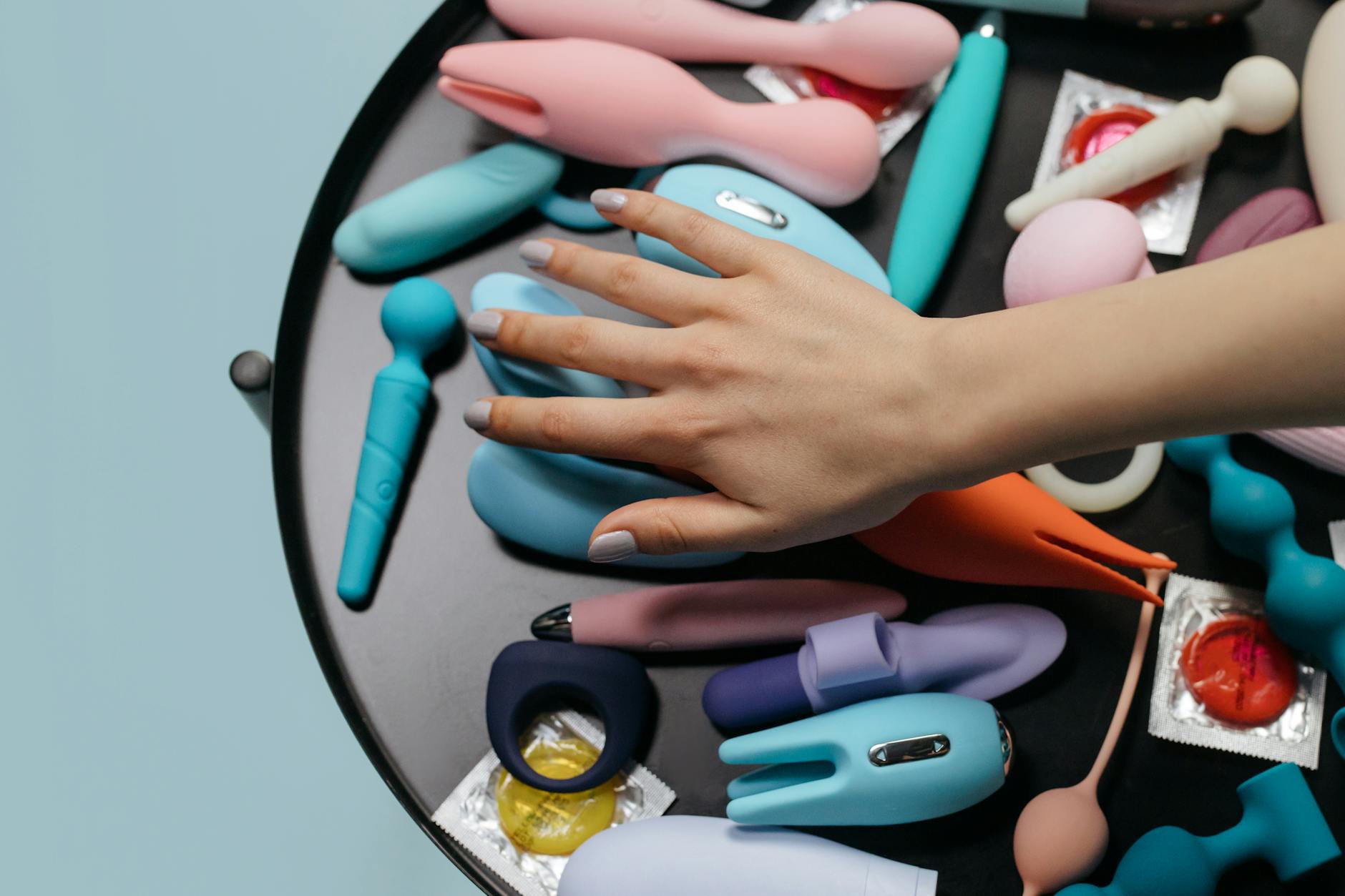
Photo by cottonbro studio on Pexels
The orgasm profile: how each technology gets you there
Different technologies produce different kinds of orgasms. This isn't mystical; it's neurology. Different nerve pathways light up depending on the type of stimulation.
Traditional vibrators tend to create what I'd call a "peak" orgasm: rapid buildup, intense release, clear endpoint. The speed of vibration means you're hitting a rapid-fire activation pattern in the nerves.
Wand vibrators can produce intense, full-body orgasms because of the broad contact area and the vibration transmitting through the entire pelvic region.
Lemon clitoral vibrators tend to create a "building" orgasm. The suction pattern creates arousal in layers. Many people report that orgasms with suction devices feel less like an explosion and more like a cresting wave. It can feel less sharp and more prolonged.
Air-pulse devices (like the higher-end Sona or Womanizer lines) split the difference. They're gentler than vibrators but still quite powerful. The suction is usually stronger and faster than lemon vibrators.
None of these is "better." Your nervous system has its own preferences. Some people climax most easily with straight vibration. Others have nerve damage or sensitivity that makes vibration uncomfortable but responds beautifully to suction. That's not a problem to solve. It's information.
Cost, maintenance, and longevity
Let's be practical. A basic traditional vibrator costs anywhere from $20 to $60. Wand vibrators run $40 to $100. High-end air-pulse devices run $150 to $200-plus. Lemon clitoral vibrators like the Lemon by Hello Nancy sit in the $80-$90 range.
Durability? Traditional vibrators use simple motor mechanics, so they tend to last for years if you treat them right. Wands are similar. Air-pulse devices and suction vibrators have more complex mechanisms, so parts can wear out. That said, most brands offer warranties.
Maintenance is roughly equivalent across categories. Water-based lubricant is essential for all of them. Silicone is nonporous, so none of these devices harbor bacteria the way some materials do. Cleaning is simple soap and warm water, or a toy cleaner spray.
When to choose each type
You don't need to pick just one. But if you're starting out or replacing a device, here's the decision tree.
Choose a traditional vibrator if: You like straightforward sensation, you want something affordable, you have experience with vibration and know your settings, or you're curious but not sure what will work. Low barrier to entry.
Choose a wand if: You enjoy broad stimulation, you have a partner and want a device that can work for multiple uses, or you like the ability to use it over clothes or on other parts of your body.
Choose an air-pulse device if: You've tried vibrators and found them overstimulating or numbing, you want something quieter, or you want to explore suction without committing to a lemon vibrator.
Choose a lemon clitoral vibrator if: You want a hybrid sensation (suction plus gentle vibration), you have sensitive tissue and need something less aggressive than straight vibration, you like a toy that's specifically designed for clitoral stimulation, or you're exploring partnered play and want something that feels distinct from vibration. If you're looking for why lemon vibrators work better for sensitive vulvas, that's a deeper conversation worth having.
The partner factor
If you're using a toy with a partner, the choice shifts. Some vibrators are too loud. Some are too bulky to navigate during partnered sex. Some create friction that partners find uncomfortable.
Lemon sucker vibrators are relatively compact and quiet. The sensation is distinct enough that partners can feel the difference in the experience when they're involved, but not so intense that it overwhelms other sensations.
Wand vibrators are fantastic for couples because they allow for partner control and broad stimulation. But they're less discrete and harder to incorporate into standard positions.
If you're navigating shifting intimacy with a partner, this matters. The right tool can rebuild connection. Using a lemon clitoral vibrator with your partner doesn't have to be awkward. It can actually deepen things.
The sensation sweet spot
Here's what I see most often. Someone uses a traditional vibrator for years. It works. Then they try a lemon vibrator or air-pulse device and suddenly understand why people talk about different toys for different moods. One isn't replacing the other. They're serving different wants.
Lemon clitoral vibrators sit at a specific sensory sweet spot: intense enough to build arousal quickly, but gentle enough to use for extended periods without numbness. The suction mechanism means less direct friction, which matters if you have vulvodynia, thin tissue, or just a sensitive system.
The downside? Suction-based devices are more delicate than a basic bullet vibrator. If you're rough with toys or travel a lot, durability might be a concern.
Noise, discretion, and real life
Traditional vibrators can be loud. Some wands sound like chainsaws. Air-pulse devices are usually quieter. Lemon vibrators are among the quietest because suction is inherently quieter than vibration.
If you live with roommates, have thin walls, or just want discretion, this matters. A quiet toy is a toy you'll actually use.
Frequently asked questions
What's the actual difference between a lemon vibrator and an air-pulse device?
Both use suction, but through different mechanisms. Air-pulse devices (like Sona) use rapid air pulsation. Lemon vibrators use gentler suction often combined with light vibration. Air-pulse is typically more powerful and faster. Lemon vibrators create a softer sensation. If you find air-pulse too strong, a lemon clitoral vibrator might be more comfortable.
Can you use a lemon vibrator if you've only ever used traditional vibrators?
Absolutely. The learning curve is minimal. Start on a lower pattern, use water-based lubricant, and let yourself explore at your own pace. Many people find that switching between vibration and suction keeps sensation fresh and prevents desensitization.
Do lemon vibrators work better for all body types?
No. They work better for some nervous systems and body structures, but not all. If you have a clitoris that responds well to direct vibration, you might find suction less satisfying. The only way to know is to try. That's why starting with a more affordable option and then upgrading makes sense.
Are lemon sucker vibrators actually quieter than other toys?
Yes, significantly. The suction mechanism produces less noise than vibration motors. If noise is a deal-breaker, this matters.
How do I know which toy will actually work for me?
Start with your body's history. What sensations have worked? What got uncomfortable? Has vibration ever made you numb? Did wand contact feel too broad? Use that information to narrow the field. If you're overwhelmed, beginning with a lemon clitoral vibrator is a solid middle ground. It's specific enough to be purposeful but gentle enough to feel approachable.
Is it worth having more than one type of toy?
Yes. Different moments call for different things. A bullet is great for quick sessions. A wand is perfect for partnered play or when you want to involve other body parts. A lemon vibrator is ideal for extended, focused sessions where you want sensation without overstimulation. Building a small collection means you're never forcing yourself into a toy that doesn't match your mood.
The real takeaway
Lemon vibrators aren't better than other clitoral toys. They're different in specific, meaningful ways. They excel at creating suction-based stimulation without overwhelming sensitivity. For some people, that's everything. For others, traditional vibration is exactly what the nervous system wants.
The best toy is the one you'll actually use. That means choosing based on how your body responds, not on marketing or what someone else loves. Pleasure is personal. So is the tool that gets you there.
If you're curious about which Hello Nancy product might fit your body and preferences, our buying guide walks through the full range. Or reach out: we can talk through what might work for you.