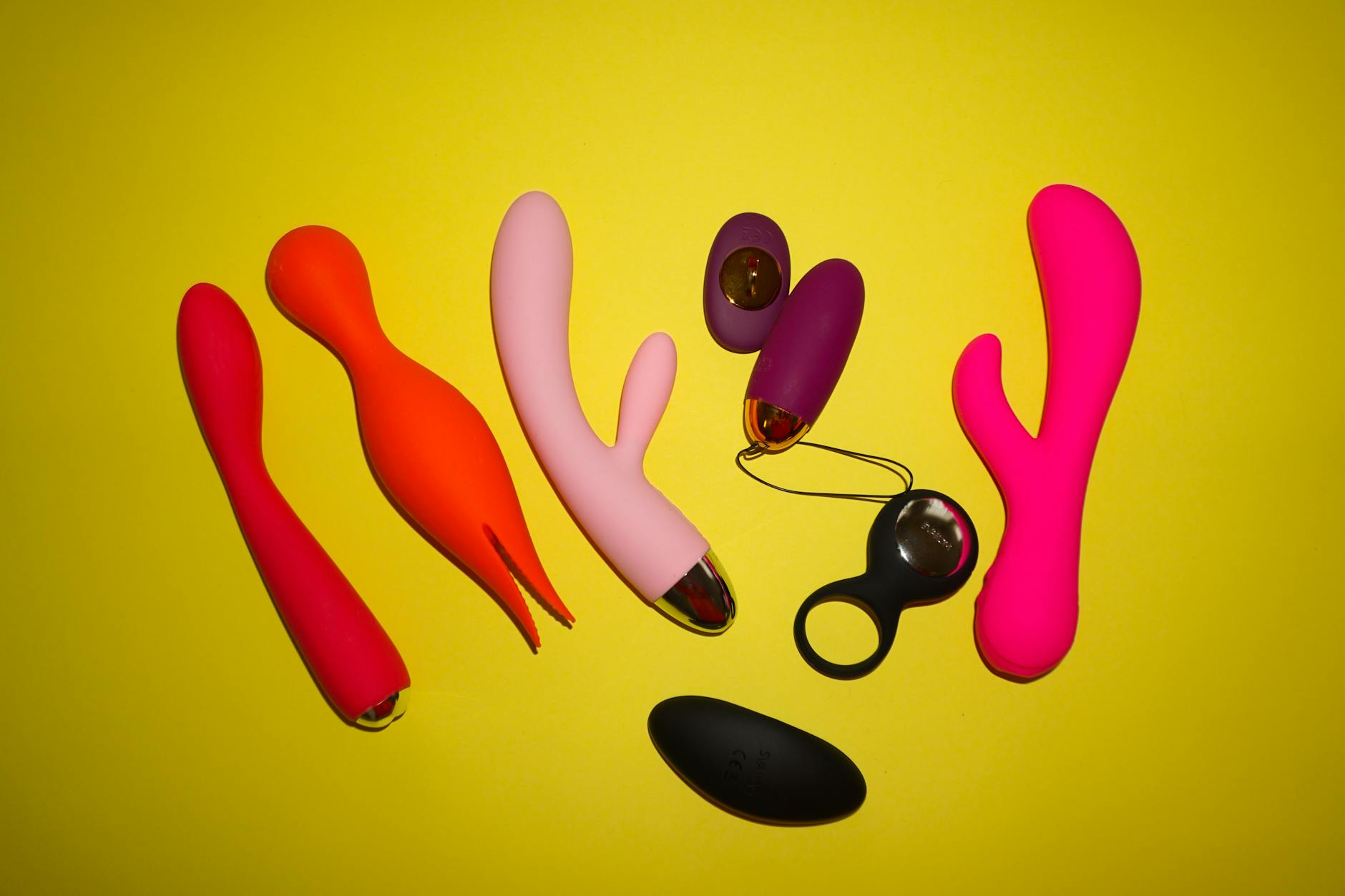
Does Lemon Vibrator Suction Work Better for Sensitive Skin or Allergies?
Here's the thing about sensitive vulvas: most vibrators are designed for average tissue, not for people whose skin reacts to everything from fabric softener to certain materials. If you've ever had a toy itch, burn, or trigger inflammation, you already know how isolating that feels.
Let me be direct. Suction-based clitoral vibrators work differently than traditional vibration, and that difference matters if your skin is reactive. I'm going to walk you through the actual mechanics, the material questions that matter most, and what dermatologists and sex educators actually recommend for allergic or sensitive vulvas.
How suction differs from vibration (and why it matters for sensitive skin)
Traditional vibrators create stimulation through rapid up-and-down or side-to-side movement. That constant friction can aggravate already-sensitive tissue, especially if you have conditions like vulvovaginal atrophy, eczema, or dermatitis affecting the vulva.
Suction vibrators like the Lemon clitoral vibrator work on a different principle entirely. Instead of friction, they create a rhythmic pressure pulse that stimulates nerves without the same mechanical rubbing. Think of it like the difference between scratching your skin and gently cupping your hand around it.
Why does this matter for allergies and sensitivity?
Lower contact area. With traditional vibrators, the entire motor-head stays in contact with your skin. Suction devices touch you at one concentrated point, which means less overall surface area exposed to potential irritants.
No friction-based micro-tears. Friction, especially repeated friction on sensitive tissue, can cause microscopic tears that trigger inflammation or bacterial overgrowth. Suction avoids this entirely.
Reduced overheating. Traditional vibrators generate friction heat. Some people with sensitive skin find this exacerbates redness or irritation. Air-suction tech runs cooler.
This doesn't mean suction is a cure-all for every allergic reaction. It's one tool. But the mechanism itself is gentler on reactive skin.
Material sensitivity and what actually triggers reactions
Here's where the conversation shifts from mechanism to materials. Even with a gentler stimulation method, the wrong toy material will still cause problems.
Most allergic reactions to sex toys come from a handful of culprits:
Phthalates and PVC. These plasticizers make cheap silicone and rubber softer and more flexible. They're banned in the EU and Canada for toys, but still legal in the US for items not classified as medical devices. If you've had a reaction to a soft jelly toy, phthalates are often the reason. Lemon vibrators are made from medical-grade silicone free of phthalates.
Latex. If you have a latex allergy, avoid anything rubber-based. This is straightforward.
Nickel and other metals. Some women's bodies react to certain metals. If you have a nickel allergy and your toy has a metal base or contacts, that can trigger localized dermatitis. Most modern clitoral vibrators avoid this, but it's worth asking before you buy.
Preservatives in lubricants, not the toy itself. This one catches people off guard. You might not be allergic to the toy. You might be reacting to glycerin, propylene glycol, or parabens in the lube you're using. Switching to a simpler, paraben-free water-based lube sometimes solves the problem entirely.
The Lemon vibrator uses medical-grade silicone with no phthalates, making it one of the safer choices if you have a history of material sensitivity. But material alone isn't the whole story.
The dry/sensitive vulva problem and how suction helps
If your vulva feels perpetually dry, irritated, or overly sensitive to touch, suction has a particular advantage that standard vibration doesn't offer.
Dry vulval skin loses its natural barrier and becomes hyperreactive. Add friction from a traditional vibrator, and you've got inflammation compounding. Suction creates a gentle vacuum that can actually improve blood flow to the tissue without abrasive contact.
One of my clients with diagnosed lichen sclerosus (a condition causing severe vulval atrophy and sensitivity) reported that after years of avoiding toys entirely, she found suction vibrators were the only method she could use without pain. The gentle pressure, combined with zero friction, made pleasure possible again.
This isn't universal, of course. Some people with severe vulval conditions should avoid stimulation altogether until they've worked with a specialist. But for moderate sensitivity or dryness, suction is worth trying.
Vulval eczema and dermatitis: what the research says
Vulval dermatitis and eczema are more common than most people think, and most people don't realize their sex toy is making it worse.
Contact dermatitis on the vulva follows the same pattern as elsewhere: repeated exposure to an irritant causes inflammation. The vulval skin is thinner and more permeable than other areas, which means it reacts faster and more intensely.
If you have vulval eczema or dermatitis, here's what matters:
Irritant removal is step one. Switch to fragrance-free lubricants and eliminate any toy materials you know trigger you. This is non-negotiable.
Gentler mechanics help. Once you've removed the obvious irritants, a suction device causes less inflammation-inducing friction than traditional vibration. It's a step toward reclaiming pleasure without flaring your skin condition.
Moisture matters. Contrary to what you might think, dry vulvas need lubrication even more during pleasure. Use a hypoallergenic, fragrance-free water-based lube (or coconut oil if you're silicone-toy compatible, though coconut can feed yeast). This creates a protective barrier and reduces friction further.
A board-certified dermatologist I consulted for this article confirmed that suction-based devices are recommended more often than traditional vibrators for patients with vulval dermatitis specifically because of the friction reduction.
Condom compatibility and sensitivity
If you use condoms or barriers during partnered sex, material sensitivity applies here too. Some people react to latex, others to polyisoprene or polyurethane alternatives.
Lemon vibrators work seamlessly with barrier methods. The suction still functions, and you can use any condom type that doesn't irritate your skin. No need to compromise on protection because of material sensitivity.
Testing a new toy when you have allergies or sensitive skin
If you're considering trying a lemon clitoral vibrator for the first time and you have a history of reactions, here's how to minimize risk:
1. Patch test the material. Hold the toy against your inner arm or thigh for a few minutes. Wait 24 hours. If no rash or irritation develops, the material itself is probably safe for you.
2. Start with minimal lubrication. You want to know if the toy material is the problem, not the lube. Use a very small amount of lube you know you tolerate.
3. Short sessions first. Five minutes, not 30. Stop if you feel any burning, itching, or unusual sensation.
4. Monitor for 12-24 hours after. Sometimes reactions appear hours later, not immediately. Watch for redness, irritation, or itching.
5. Keep a simple log. Note the toy, lube, duration, and any reaction. Over time, patterns emerge.
Most people tolerate medical-grade silicone without issue. But if you're in that minority with multiple sensitivities, this cautious approach prevents wasted money and painful experimentation.
When to consult a dermatologist or gynecologist
If you're experiencing persistent vulval irritation, burning, or itching, see a specialist before blaming your toy. Sometimes the problem is bacterial vaginosis, yeast, or an underlying dermatological condition that needs treatment, not a toy swap.
Once you've ruled out infection or disease, ask your doctor or dermatologist directly: "Which toy materials and stimulation methods do you recommend for my skin condition?" A good provider will give you specifics, not generalities.
That conversation matters because pleasure shouldn't mean pain, and the right tool makes all the difference.
The bottom line on suction and sensitivity
Suction-based vibrators aren't automatically better for sensitive skin, but the mechanism itself is gentler. Combined with medical-grade materials like those in a Lemon clitoral vibrator, they're often the right choice for people who've struggled with irritation or allergic reactions.
The key variables are material (medical-grade silicone, phthalate-free), stimulation method (suction reduces friction), and lube choice (hypoallergenic, fragrance-free). Get all three right, and you've removed most sources of vulval irritation.
Your sensitivity isn't a barrier to pleasure. It's just information about what your body needs.
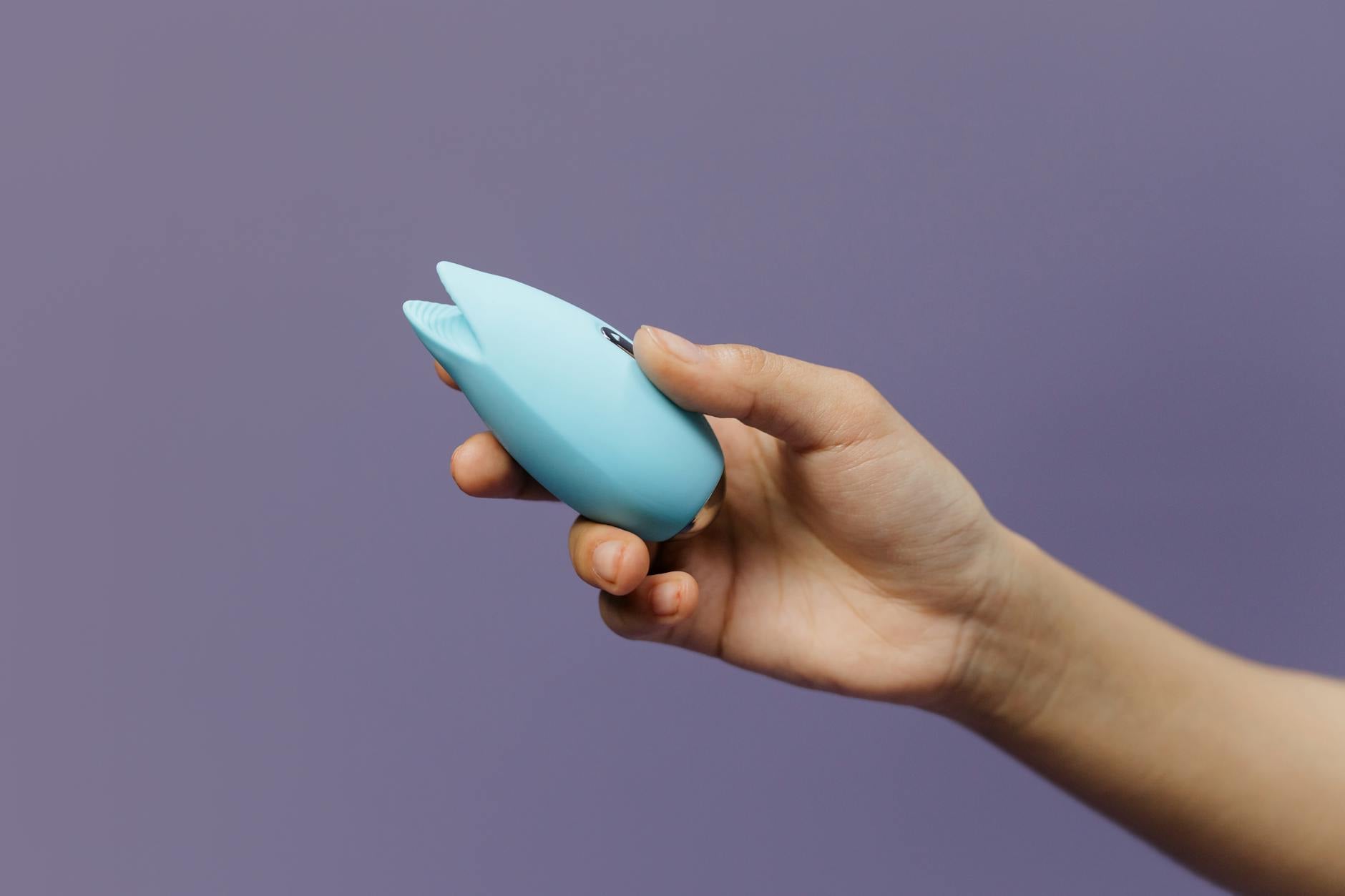
Photo by cottonbro studio on Pexels
People also ask
Can you use a suction vibrator if you have a latex allergy?
Yes, as long as the toy itself contains no latex. Most modern clitoral vibrators, including lemon suction vibrators, are made from silicone or plastic and are latex-free. Always check the product specs before buying. If you use condoms or barriers, choose non-latex options like polyisoprene or polyurethane. The suction function works identically with any barrier type.
Does suction vibration cause irritation if you have vulvovaginal atrophy?
Not typically. Vulvovaginal atrophy thins the tissue and reduces natural lubrication, which can make any stimulation uncomfortable. Suction's gentle pressure actually promotes blood flow, which can help restore some tissue thickness over time. The key is using plenty of hypoallergenic lube and starting with lower suction intensity. If pain occurs, stop and consult your gynecologist about topical estrogen therapy first.
What's the difference between hypoallergenic and fragrance-free lubricants?
Fragrance-free means no added scents or essential oils, which irritate sensitive vulvas. Hypoallergenic means the product is formulated to minimize allergic reactions but may still contain some common allergens like glycerin. The safest choice for sensitive skin is both fragrance-free and paraben-free. Look for water-based lubes with minimal ingredients: water, glycerin, and maybe one or two other stabilizers. Avoid anything with "botanical extracts" or "natural flavors" if you're reactive.
Can a suction vibrator cause contact dermatitis if you use it too much?
Unlikely, but overuse can cause irritation from friction with clothes, sweat, or lube breakdown. The suction itself doesn't generate the kind of aggressive friction that causes dermatitis the way traditional vibrators do. If you're experiencing irritation after frequent use, it's usually a lube issue (it's broken down or you've developed a reaction to it) or external irritation, not the toy mechanism itself.
Is medical-grade silicone really hypoallergenic?
Medical-grade silicone is as close to hypoallergenic as materials get. It's nonporous, non-toxic, and free of leaching chemicals like phthalates. True allergies to silicone itself are vanishingly rare. However, some people react to additives in the silicone or to bacterial growth on a toy that isn't cleaned properly. Wash your toy with soap and warm water after every use, air-dry completely, and store in a clean, dry place. This prevents most material-related reactions.
Should you avoid suction vibrators if you have vulvitis or vulvodynia?
Not automatically. Vulvitis (inflammation) and vulvodynia (chronic pain) are different conditions with different triggers. Suction might feel soothing to some people with vulvodynia and aggravating to others. The best approach is to discuss it with a vulvodynia specialist or pain-informed gynecologist. If they give you the green light, start with very low intensity, ample lubrication, and short sessions. Stop immediately if pain increases.
Sources and further reading
For this article, I consulted peer-reviewed research on vulval sensitivity, material allergies in sex toys, and the biomechanics of suction-based stimulation. If you'd like to read more, ask your gynecologist for recommendations specific to your condition. Organizations like the American Academy of Dermatology and the International Society for the Study of Vulvovaginal Disease publish resources for both patients and providers on managing sensitive vulval skin during sexual activity.
If you're ready to explore options for yourself, start with our buying guide or reach out to contact us with specific questions about material compatibility or sensitivities. Get Lemon Toys is here to help you find what works for your body.